A few years ago, SEO professionals had one primary metric to obsess over: search ranking position. Page one or not page one. That was the game.
The game has changed.
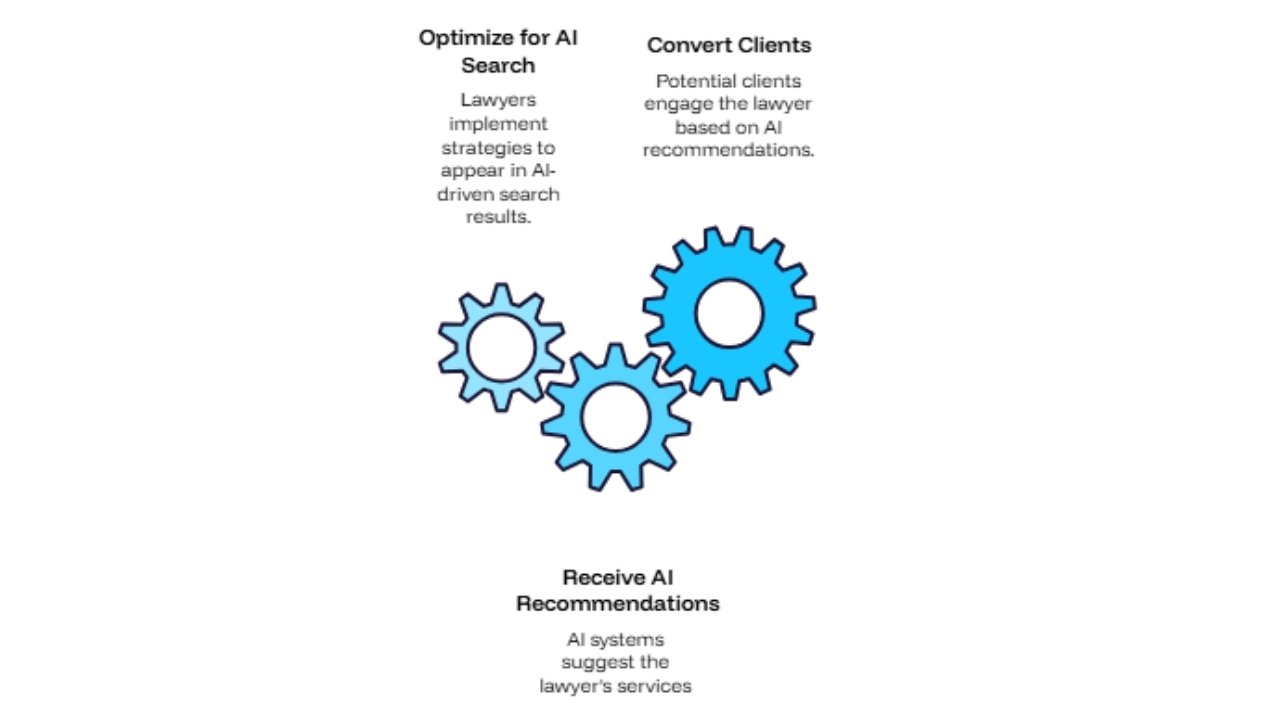
Today, a growing share of your potential customers never open a search results page at all. They type a question into ChatGPT, speak it to a voice assistant, or drop it into Perplexity and they take the answer they get at face value. If your business appears in that answer, you win the customer. If a competitor does, you never even knew the question was asked.
This is why AI Visibility Score exists as a concept and why understanding how it works is quickly becoming one of the most important things a business owner or marketer can grasp in 2026.
What Exactly Is an AI Visibility Score?
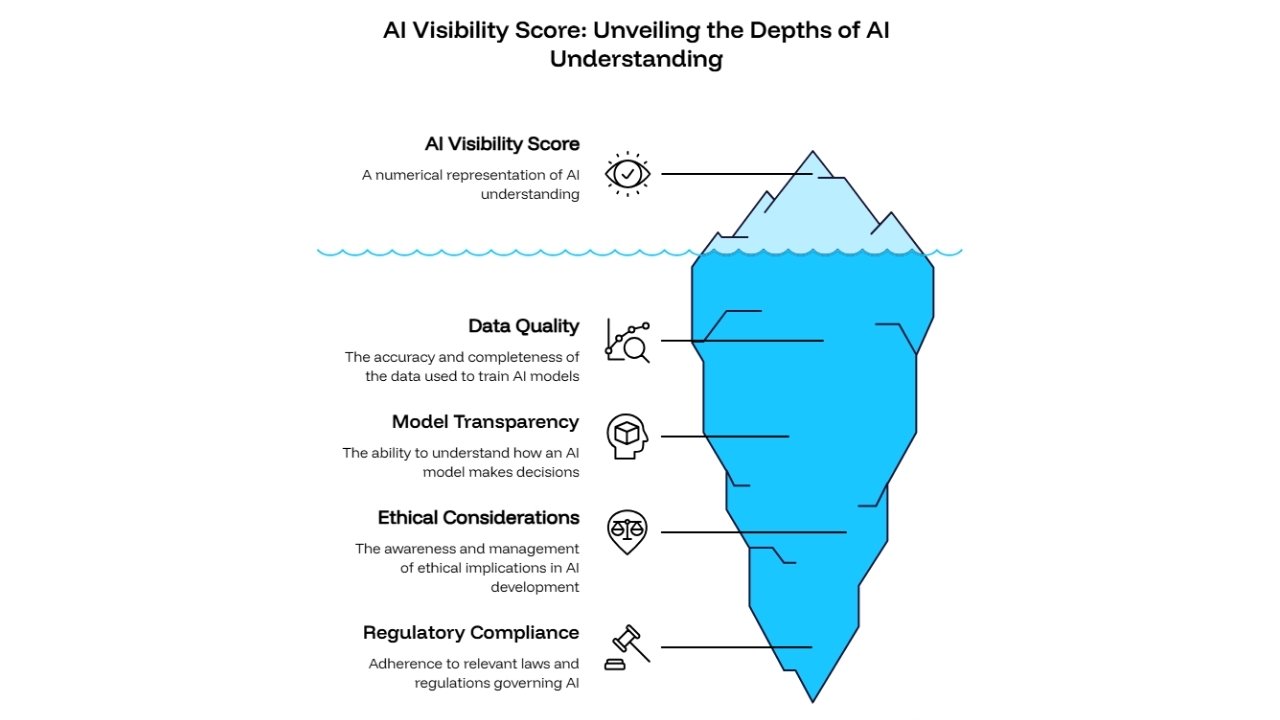
An AI Visibility Score is a measure of how likely your business, brand, or content is to be surfaced, cited, or recommended when someone asks an AI tool a relevant question.
Think of it as the AI-era equivalent of your domain authority or your average search ranking position except instead of measuring how Google sees your site, it measures how AI tools understand, trust, and represent your business.
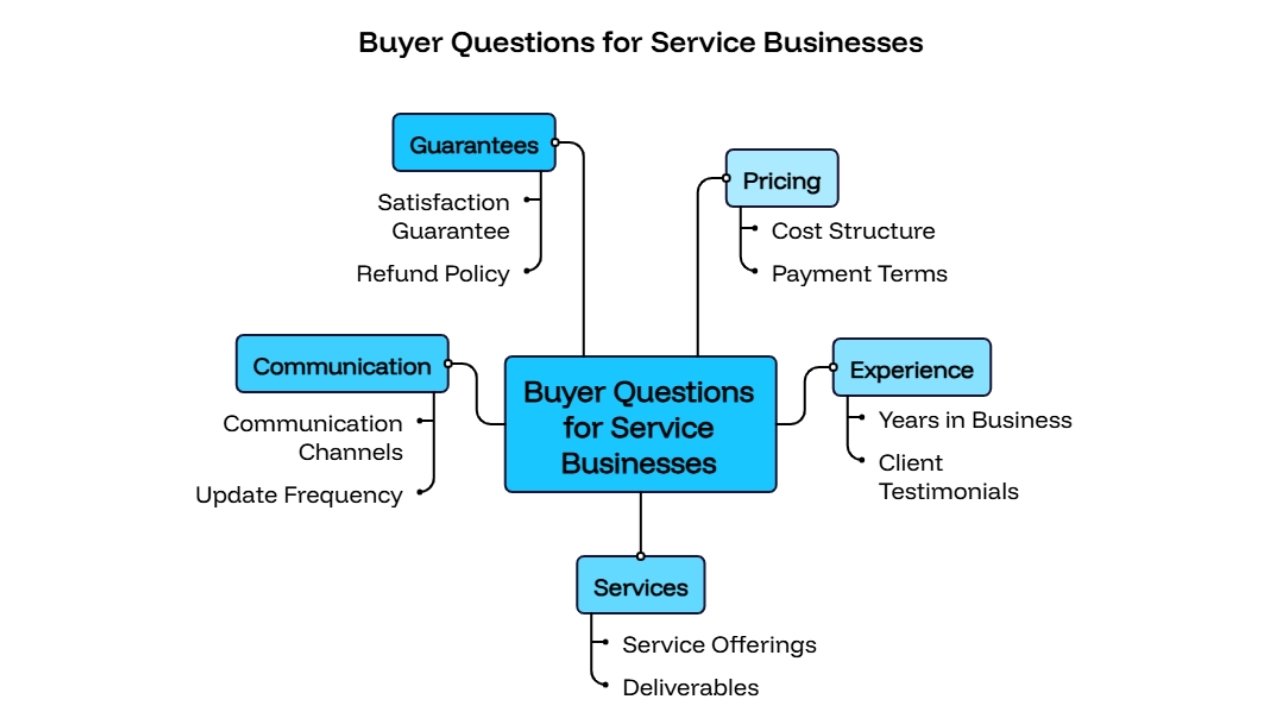
A high score means that when someone asks an AI assistant something like “Who are the best [your service] providers in [your city]” or “What tool should I use for [your product category],” your business has a strong chance of being part of that answer.
A low score means you are invisible in those conversations not because you are a bad business, but because AI tools do not have the right signals to recognize and recommend you.
Why This Metric Matters More Than Most People Realize
Search engine optimization gave businesses a way to compete for attention on a relatively level playing field. AI visibility is beginning to do the same thing, but the rules are different.
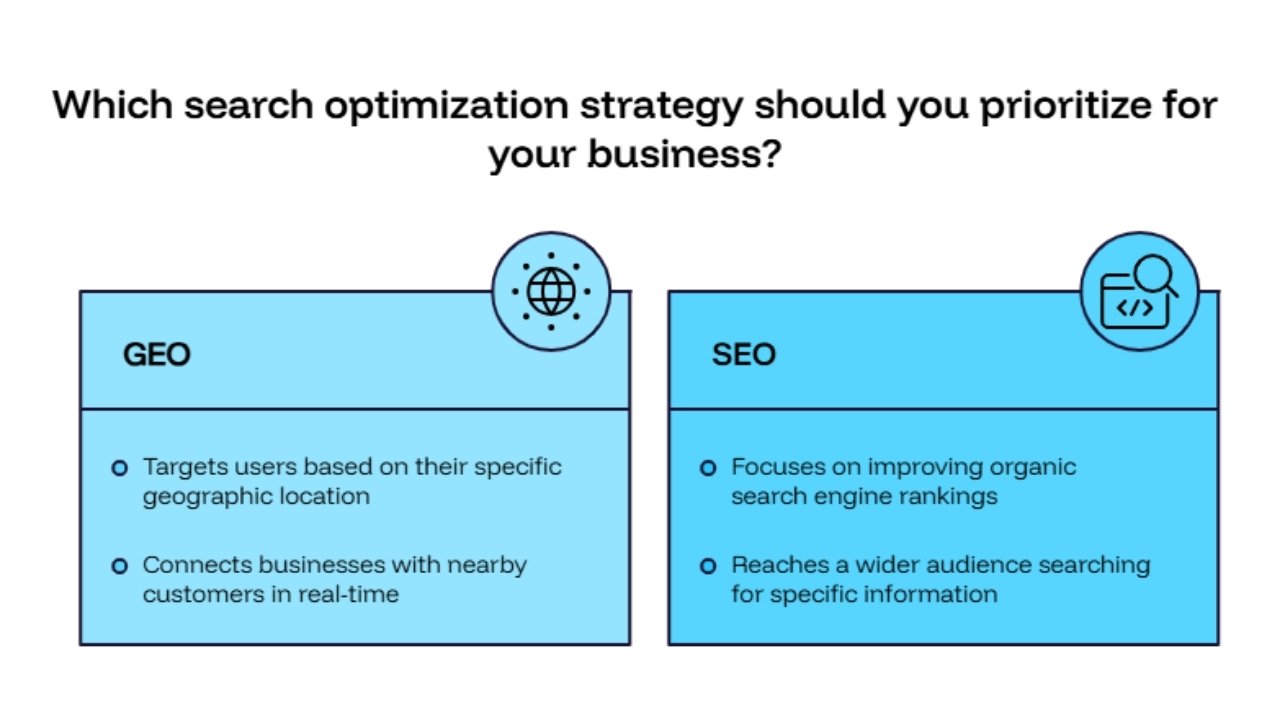
Traditional SEO is largely about technical factors and link authority. AI visibility is more about trust signals, entity clarity, topical depth, and the quality of how your business is represented across the entire web, not just your own site.
The businesses that understand this early will have a meaningful head start. The ones that ignore it will find themselves invisible to an increasingly large portion of their market.
How Is an AI Visibility Score Calculated?
There is no single universal calculation that every platform uses identically. Different tools measure this differently. But the underlying factors that matter are consistent across how AI models actually work, and they fall into a few clear categories.
Entity Recognition and Clarity
The first question an AI model effectively asks about your business is: do I know what this is?
AI tools build knowledge around entities specific, identifiable things with consistent properties. Your business becomes an entity when it has a clear, consistent identity across the web. Your name, what you do, who you serve, and where you operate should be described consistently whether someone is reading your website, your Google profile, a review platform, or a news mention.
When this information is fragmented or inconsistent, AI tools struggle to confidently represent your business in an answer. When it is clear and consistent, the model can place you accurately in the right context.
Content Depth and Topical Authority
AI tools prefer to cite and recommend sources that demonstrate genuine expertise. Content depth having thorough, layered coverage of the topics most relevant to your business is one of the clearest signals of expertise that AI systems can evaluate.
Breadth without depth works against you here. A website with fifty thin pages covering tangentially related topics scores lower than a website with twenty well-developed pages that genuinely cover its core subject area from multiple useful angles.
Third-Party Credibility Signals
AI models learn not just from your own website but from how your business is discussed elsewhere. The quality and diversity of external mentions, reviews, references in articles, community discussions, links from trusted sources all feed into how credible and trustworthy your business appears to an AI system.
A business that only exists on its own website has almost no third-party credibility signal. A business that is discussed authentically across multiple independent platforms has a much richer picture for AI tools to work with.
Sentiment and Reputation
The tone of human conversation about your brand matters. AI systems trained on human-generated data pick up on whether your business is generally spoken about positively, negatively, or with specific criticisms.
This is not just about review scores. It is about the overall texture of what people say about you across forums, social platforms, review sites, and any other place people share opinions online.
Technical Accessibility
For AI tools that crawl the live web, your technical setup matters. If your site is slow to load, poorly structured, or blocks AI crawlers, it becomes harder for those tools to access and index your content. Structured data markup, the kind that explicitly tells crawlers what type of business you are, what services you offer, and other machine-readable details also contributes to how well AI tools can classify and represent you.
Freshness and Activity
A dormant digital presence signals a potentially dormant business. AI tools with access to current web data factor in how recently your content was updated, whether new reviews are coming in, and whether your profiles reflect current information.
Staying active even in modest, consistent ways signals to AI systems that your business is real, operational, and worth recommending.
How Is It Different from Traditional SEO Metrics?
Traditional domain authority and search ranking metrics focus heavily on link profiles and technical optimization. Those things still matter, but they are not the whole picture for AI visibility.
The biggest differences come down to:
Context over keywords. AI tools understand meaning and context, not just keyword matches. A page that genuinely answers a question well ranks higher in AI confidence than a page that is technically optimized but thin in substance.
Entity reputation over link count. While link authority matters, AI systems also weigh the quality of your entity reputation and how your business is understood and talked about across the entire web.
Conversational relevance. Your content needs to match how people actually ask questions in conversation, not just how they type queries into search boxes.
What a Strong AI Visibility Score Looks Like in Practice
When a business has strong AI visibility, a few things happen reliably.
When someone asks a relevant question to an AI tool, that business appears in the answer not necessarily every time, but consistently across different ways of asking related questions.
When the business is mentioned, it is described accurately. The AI tool gets the category right, the core offering right, and the context right.
The business is recommended not just as a generic option in a list but sometimes as the specific recommended choice when the question context matches the business’s strengths.
What to Do With This Information
Understanding your AI Visibility Score is the starting point. The next step is knowing where the gaps are and which ones to address first.
For most businesses, the highest-impact improvements tend to involve building more consistent entity information across platforms, developing real depth in their most important content areas, and earning genuine third-party mentions from sources their customers trust.
These are not overnight fixes. But they compound over time in the same way that good SEO work compounds and in 2026, the businesses putting in this work now are building an advantage that will be very difficult for late movers to catch.
Find out where your business stands. Check your AI Visibility Score at getairanks.com