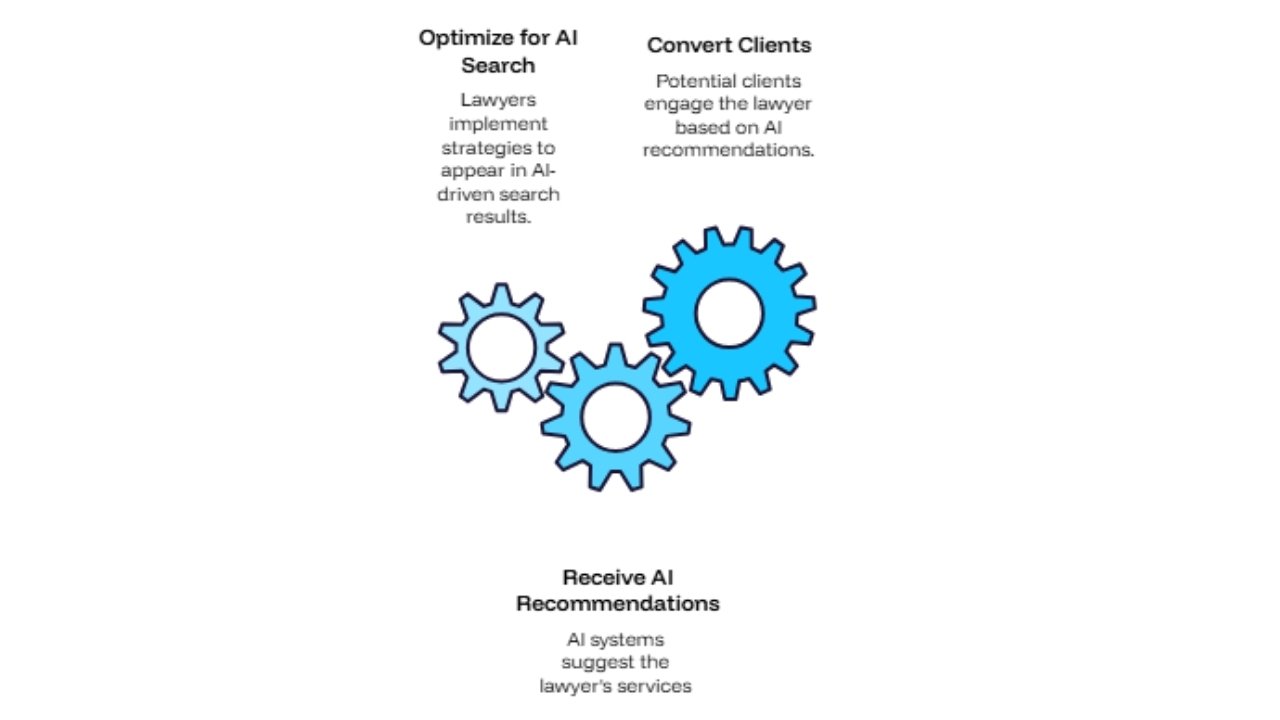
Referrals and trust have always been the backbone of the legal profession. People used to ask a friend or family member, “Do you know a good lawyer?” Now, a lot of them are asking that same question directly to ChatGPT or Gemini. The difference is that instead of a friend’s personal experience, it’s your digital presence acting as that reference.
This matters even more for lawyers, because people usually start looking for legal help while under real pressure. They want a reliable answer fast, and that’s exactly where a single AI-generated answer carries a lot of weight.
Why Google Ranking Alone Isn’t Enough Anymore
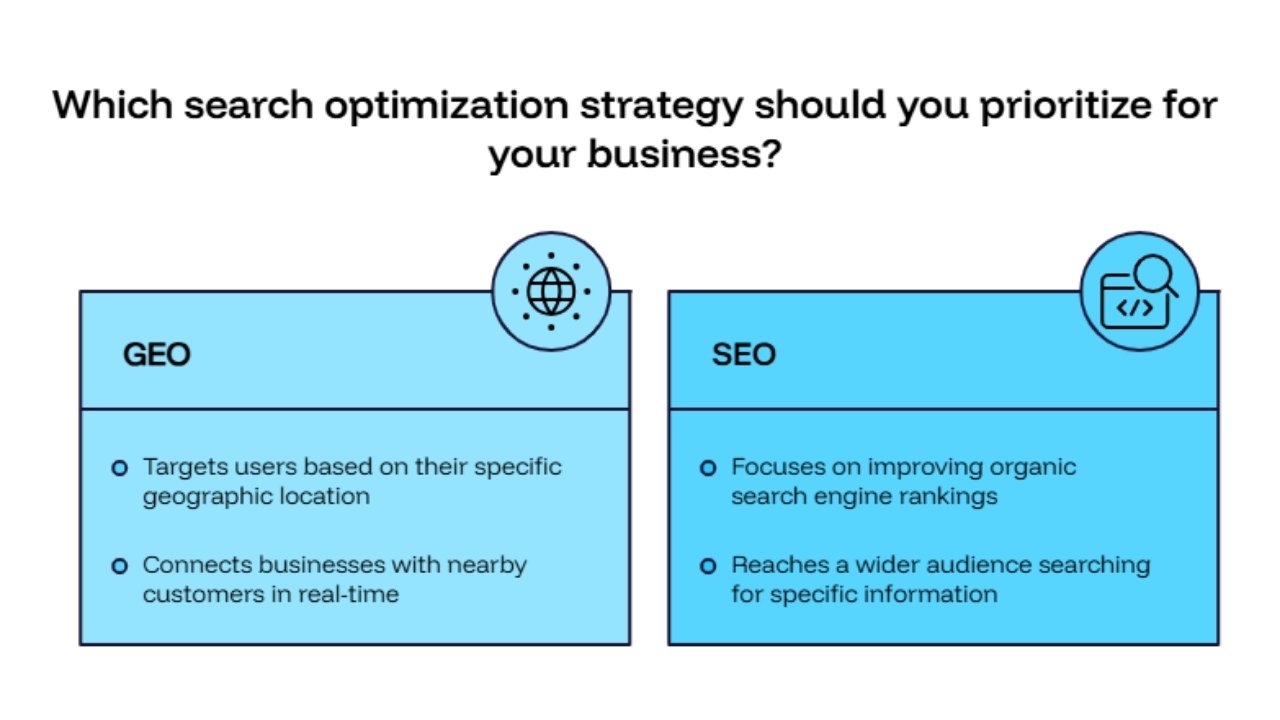
Plenty of law firm websites rank well on Google but never get mentioned by AI engines at all. The reason is simple: Google ranking is mostly about keywords and backlinks, while AI recommendations depend on how consistent and trustworthy your information looks across multiple sources at once: your website, bar association directories, legal directories like Avvo or Justia, your reviews, and any mentions in news or publications.
So these days, you have to build two things separately: a strong Google ranking, and a trustworthy presence as a recognizable “entity” in AI’s eyes. Having one doesn’t automatically get you the other.
Where to Focus
Build clear, specific pages for each practice area
“We handle all types of cases” doesn’t do anything for you. If you work in family law, immigration, or personal injury, each one needs its own detailed page that speaks directly to the real questions and concerns people have. When AI is looking for an answer to a specific question, these focused pages are exactly what it finds and cites.
Answer questions in plain, everyday language
Clients don’t know legal terminology, they ask simple things — “how long does this usually take,” “what should I bring to the first meeting,” “what are my rights in this situation.” When these questions are answered clearly on your website, AI can pull that content directly to construct its answer.
Write your bio and experience with real detail
Instead of just saying “15 years of experience,” explain the actual types of cases you’ve handled, which courts you practice in, and what you specialize in. This level of detail helps AI understand exactly which kind of client you’re the right fit for.
Keep your directory profiles updated
If information on bar association listings, Avvo, Justia, or LinkedIn is outdated or doesn’t match your website, AI gets confused — and to stay safe, it simply leaves you out and picks someone else. Checking and updating these profiles at least once a year is worth the effort.
Stay active with reviews and testimonials
A lot of lawyers hesitate to ask for reviews, but firms that consistently get honest reviews come across as far more credible to AI. The more specific the language in a review — the type of case, what the experience was actually like — the stronger the signal it sends.
What to Monitor in Google Search Console
Regularly check which question-based queries (things like “how to,” “what to do if,” “how long does it take”) are generating impressions for your pages but not many clicks. These queries tell you exactly what people are actually searching for. Writing new content, or updating existing pages, in that same language tends to improve results in both Google and AI answers at the same time.
It’s also worth checking regularly for pages that aren’t indexed or are showing crawl errors, since AI crawlers rely on the same site structure to gather information. The cleaner and easier to navigate your site is, the easier it is for that information to reach AI in the first place.
What Actually Works Long-Term
There’s no shortcut here. What AI is really looking for is consistency and honesty — the same information everywhere, content written from real experience, genuine client reviews, and credible mentions that build up gradually over time. Firms that keep doing these fundamentals consistently are the ones who slowly start showing up in AI’s answers — and along with that comes the client calls that start with, “AI mentioned your name, so I called.”