Something interesting happens when you ask ChatGPT a well-formed question. It does not just summarize random pages from the internet. It pulls from sources it has learned to treat as reliable content that answered questions clearly, that demonstrated genuine understanding, and that was structured in ways that made the information easy to extract and use.
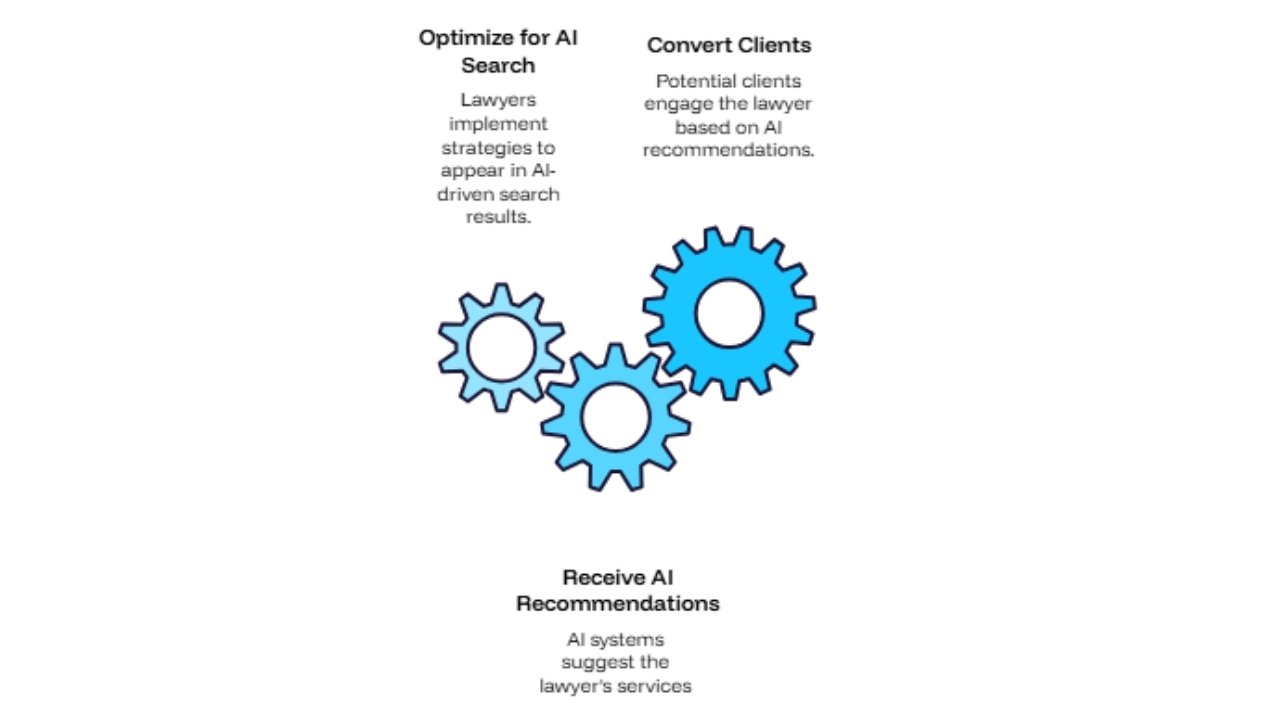
The businesses and writers whose content gets surfaced in those answers did not get there by accident. They wrote in ways that AI tools could understand, trust, and reference with confidence.
This guide breaks down how to do exactly that.
Start With How People Actually Ask Questions
Most content written for search engines is organized around keywords. “Best project management software.” “How to reduce customer churn.” These are keyword phrases, not questions and while they still matter for traditional SEO, AI tools work differently.
When someone uses an AI assistant, they tend to ask the way they would ask a knowledgeable friend. “I run a small marketing agency and I’m struggling to keep track of client deliverables across multiple projects. What would actually help?” That is a full question with context, not a keyword.
Content that AI tools quote and recommend is content that was written to answer full questions like that one not keyword phrases stripped of their human context.
The practical shift: Before you write any piece of content, write out the actual question a real person would ask that this content answers. Keep that question in mind the entire time you are writing. If the content never clearly answers that question, it will not serve you well in AI discovery.
Answer the Question Directly Before Expanding
One of the clearest patterns in content that AI tools surface is that it answers the question early, then expands.
AI models, especially those generating concise answers from long sources, need to find the core answer quickly. If your content spends the first three paragraphs setting up context before getting to any substance, the model may pull from a source that gets to the point faster.
This does not mean your content needs to be short. It means the structure should put the most important answer first, then support it with context, explanation, and nuance.
Think of it like a newspaper lead. The key information comes in the first paragraph. Everything after that adds depth for readers who want it.
What this looks like in practice: If you are writing about how to reduce customer churn, your first substantive paragraph should state the most important thing someone needs to know about reducing churn not a definition of what churn is.
Write in Plain, Precise Language
There is a temptation in professional content to write in industry jargon because it sounds authoritative. It does not. It sounds like it was written to impress rather than to inform.
AI tools are trained on an enormous range of human writing, including the clearest, most helpful writing that exists. Content that uses plain language, precise terms, and direct sentences aligns with how the most trusted sources communicate.
This does not mean dumbing down your content. It means respecting the reader enough to communicate clearly. If a technical term genuinely serves clarity, use it and explain it. If jargon is substituting for plain speech, cut it.
Read your content out loud after you write it. If you would not say it that way in a conversation with a client, rewrite it until you would.
Give AI Tools Something Quotable
Not all content is equally easy for an AI to extract a useful answer from. Content that tends to get quoted has specific characteristics.
Clear, complete sentences that stand on their own. A sentence like “The most common reason customer churn accelerates is that customers feel unseen when their problems go unanswered” can be pulled directly into an AI response and still make sense without the surrounding paragraph. A sentence like “As mentioned above, this ties back to what we discussed earlier” cannot.
Specific, accurate claims. AI tools favor content that makes precise, verifiable statements. Vague generalizations are less useful and less quotable. If your content makes claims, ground them in specifics not necessarily numbers, but in concrete reasoning and specific examples.
Definitions that stick. If your content defines a concept clearly especially a concept people frequently search that definition is a prime candidate for AI citation. Write definitions that are complete in a single sentence or two.
Cover the Topic, Not Just the Surface
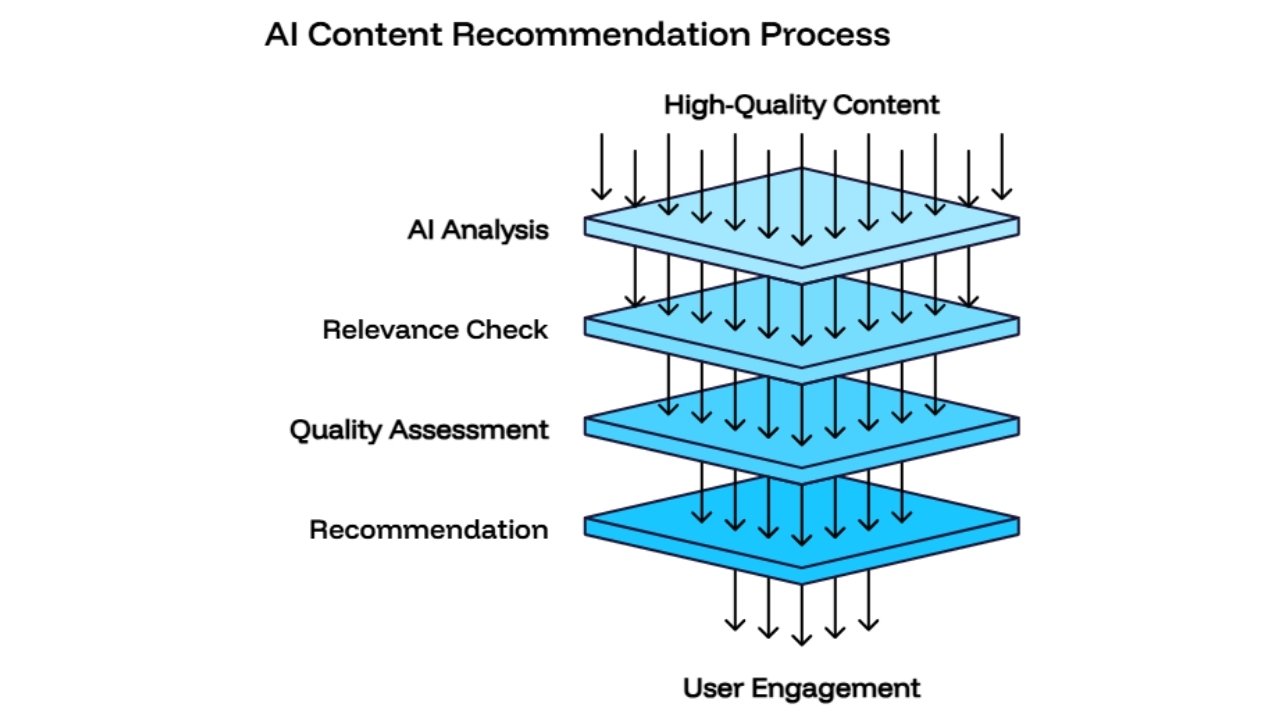
Topical depth is one of the strongest signals that AI tools use to evaluate whether a source is genuinely authoritative.
A single blog post that covers a topic thoroughly addressing the main question, the common follow-up questions, the exceptions, and the practical implications is far more valuable in AI recommendation terms than a library of thin posts that each touch on a topic briefly.
This does not require writing thousands of words for every post. It requires making sure that whatever you write genuinely covers the territory it claims to cover. A focused, thorough explanation of one specific concept will serve you better than a scattered attempt to touch on twenty.
Ask yourself: if someone came to this page with this specific question, would they leave with a complete, useful answer? If the honest answer is “mostly,” keep working on it.
Use Structure That Makes Sense to Both Humans and Machines
Well-structured content is easier for AI tools to process and extract from. This is not about gaming the algorithm it is about communicating clearly, which is what good structure has always been for.
Use headings that describe what the section actually covers, not clever wordplay that obscures the subject. Use short paragraphs that group related ideas together. When you are making a list of distinct points, format them as a list. When you are building a connected argument, write it as prose.
FAQ sections deserve a particular mention. When you write out a common question and answer it directly, you are creating exactly the kind of structured, question-answer pair that AI tools are designed to extract and surface. Including a FAQ section at the end of substantive content is one of the clearest practical things you can do to improve your content’s AI visibility.
Build a Body of Work, Not Just a Single Page
A single excellent page can get surfaced by AI tools. But a collection of excellent pages on related topics, cross-referenced and genuinely connected, builds something more durable: topical authority.
When an AI tool encounters multiple high-quality pieces from the same source on a related subject, it builds confidence that this source is a genuine expert in that area. That confidence translates into more frequent recommendations across a wider range of related questions.
This is why the best content strategy for AI visibility is not “write the perfect piece” it is “become the most useful resource in your subject area.” That takes time, but it compounds in a way that isolated, disconnected content never does.
Keep It Current
AI tools with access to live web data factor in recency. Content that has not been touched in years signals a potentially outdated perspective. Returning to your most important pieces periodically updating examples, refreshing outdated information, adding new context keeps your content alive and signals that you are an actively maintained resource worth trusting.
This does not mean rewriting everything constantly. It means treating your content as something you maintain, not something you publish and abandon.
The Thread Running Through All of This
Every principle in this guide traces back to the same thing: write content that is genuinely useful to a real person with a real question.
AI tools are built on human-generated language. The patterns they recognize as trustworthy and worth citing are the same patterns that made certain writing more useful and credible long before AI tools existed. Clear answers, honest depth, precise language, and consistent reliability these are not tricks. They are what good content has always required.
The businesses whose content gets recommended by AI tools are the ones that decided to be genuinely helpful rather than merely visible. That decision is available to any business willing to make it.
Ready to see how your content performs for AI visibility? Visit getairanks.com