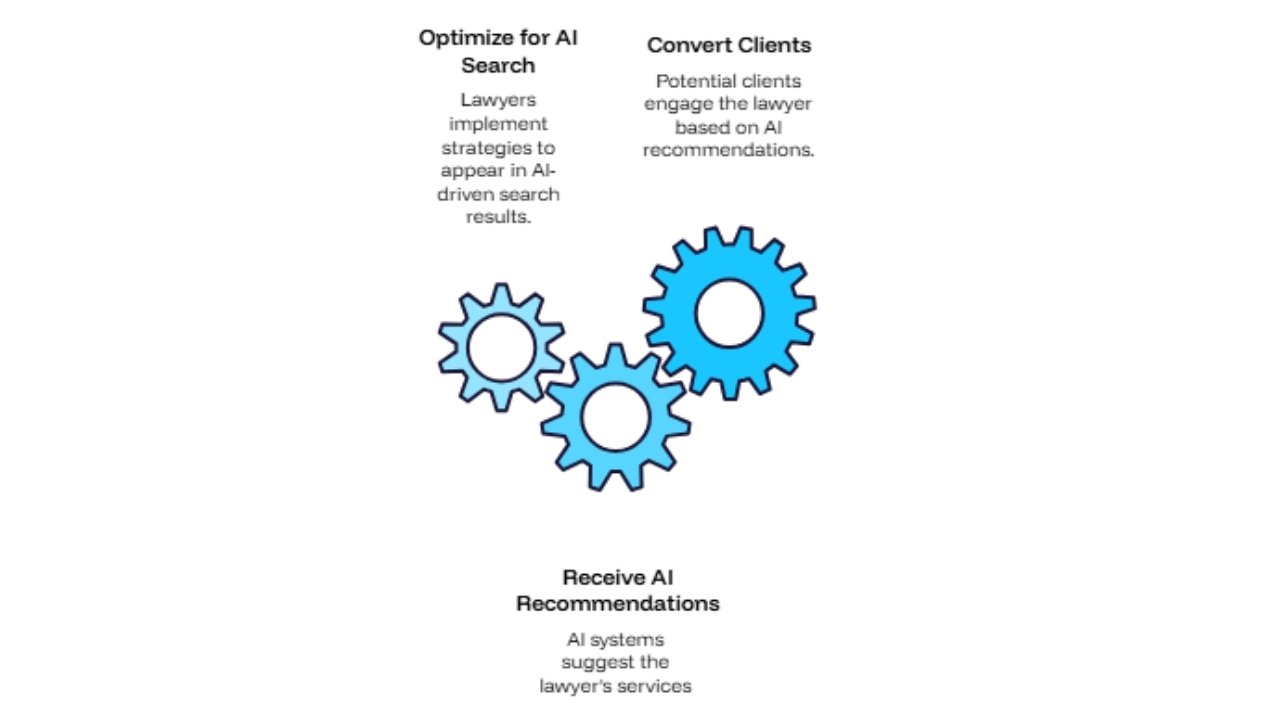
If someone types “best dental clinic near me” into ChatGPT or Google’s AI Overview today, what happens? The AI doesn’t just pull a random listing. It signals your reviews, your website content, how other sites talk about you, and whether you actually sound like a trustworthy clinic. If your digital presence doesn’t pass that check, you don’t get mentioned.
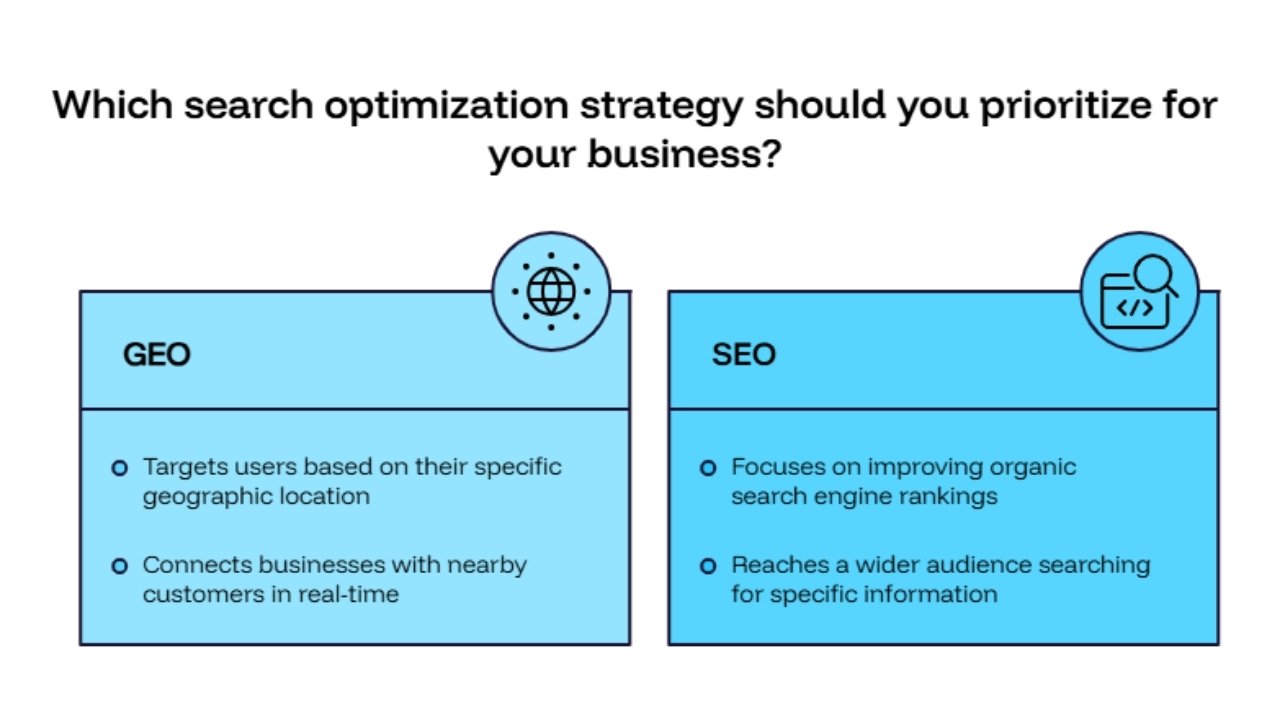
This is the new reality for dental clinics in 2026. SEO is no longer just about ranking on page one. It’s about getting your clinic’s name into the mouth of an AI that millions of people are now using to make decisions about their health.
Here’s how to make that happen.
Why AI Tools Are Now Part of the Patient Journey
Most dental patients today don’t just search Google and click the first result. They ask ChatGPT things like “which dental clinic in Dhaka has good implant reviews?” or “what should I look for in a family dentist?” These AI tools then synthesize information from across the web: your Google Business Profile, your website, third-party review platforms, dental directories, and local blog mentions and give a composed answer.
If your clinic has a weak online presence, you won’t be part of that answer. It’s that simple.
The good news is that AI recommendation systems reward the same things that build genuine patient trust. You don’t have to game the system. You just have to be genuinely visible and credible.
Build a Google Business Profile That Actually Works
Your Google Business Profile (GBP) is one of the first places AI pulls data from when forming local recommendations. A half-filled profile with no photos, outdated hours, and a generic description is a missed opportunity.
Start by making sure every section is complete. Your services should be listed individually, don’t just say “dental services.” Write out teeth whitening, root canal treatment, orthodontics, pediatric dentistry, and so on. Google’s AI uses these service labels to match your clinic to specific search queries.
Your business description should naturally include the kinds of phrases patients use when searching. Think about what a nervous first-time patient would type into a search bar and make sure those ideas live somewhere in your profile.
Photos matter more than most clinic owners realize. Regular uploads of your waiting area, treatment rooms, team members, and even before/after cases (with patient consent) tell AI systems that this is an active, real business.
Post updates consistently. A GBP that looks abandoned no posts in six months, no new photos signals low relevance.
Reviews Are the Core Signal
This deserves its own section because it’s the most critical factor.
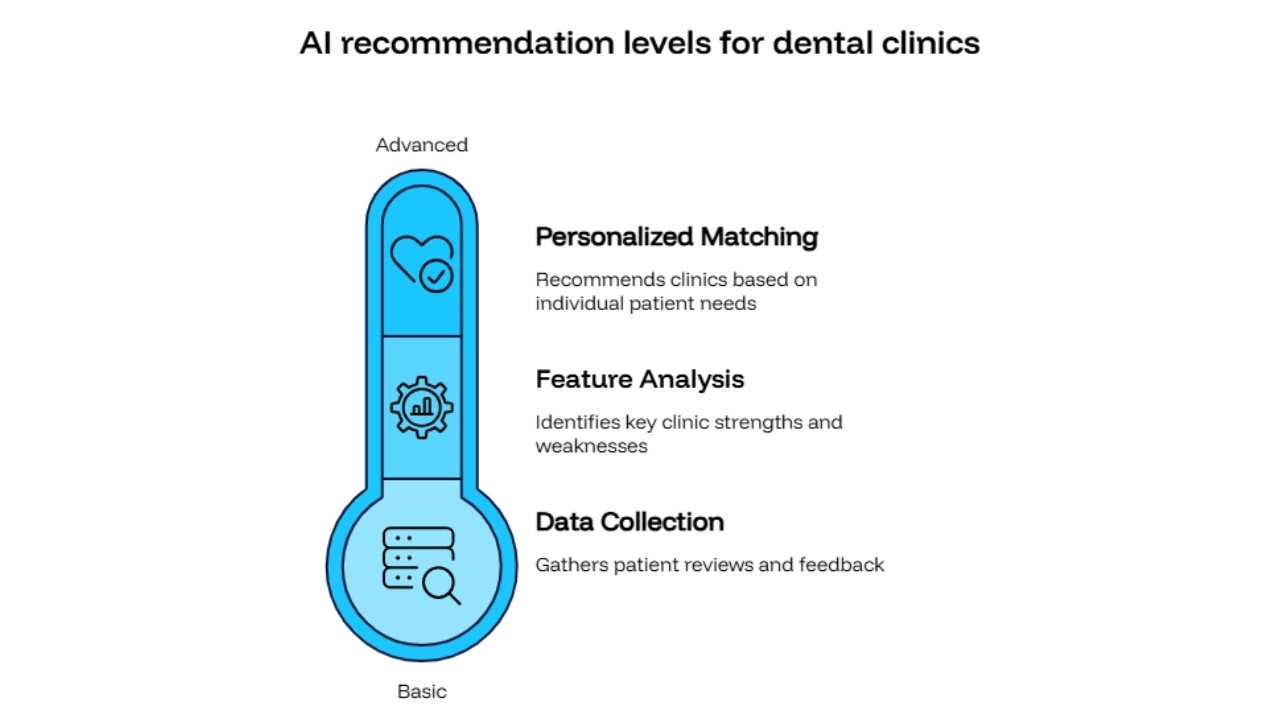
When AI tools recommend a dental clinic, they lean heavily on review data. Not just the star rating they read the actual language in the reviews. A clinic with dozens of reviews that mention “painless extraction,” “Dr. Ahmed was so patient with my kids,” or “the staff explained everything clearly” gives AI a rich picture of what your clinic is actually like.
That means you need to:
Get more reviews, consistently. Don’t wait for happy patients to leave reviews on their own. Train your front desk team to mention it naturally after a positive appointment. A simple “We’d really appreciate it if you shared your experience on Google. It helps other families find us” goes a long way. You can also send a follow-up text or email with a direct link.
Ask for specific feedback. When you request a review, you can nudge patients toward specifics: “If you have a moment, we’d love to hear about your experience with Dr. Hasan and the team today.” Specific reviews are far more useful than “great clinic, 5 stars.”
Respond to every review. When you reply to a positive review, thank the patient and briefly mention something relevant: the treatment they mentioned, your commitment to patient comfort, whatever fits naturally. When you respond to a negative review, stay calm, be professional, and invite them to call the clinic directly. AI systems pick up on how businesses respond to feedback. A thoughtful response pattern signals professionalism.
Don’t ignore other platforms. Healthgrades, Practo, and any locally relevant health directories matter too. AI doesn’t just look at Google.
Your Website Needs to Answer Real Questions
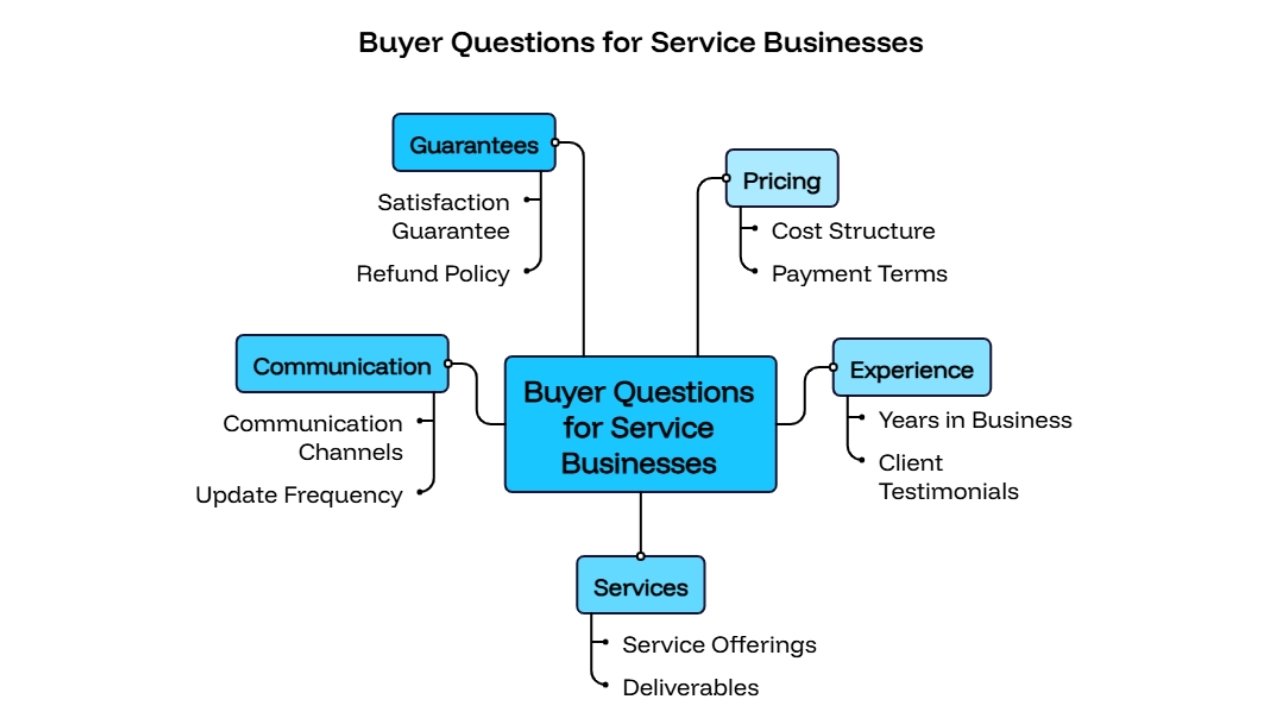
Think about the questions patients ask before they even call you. “Does getting a root canal hurt?” “How long does a dental implant last?” “What’s the difference between a veneer and a crown?” “Is it safe to take my 3-year-old to the dentist?”
If your website answers these questions properly, AI tools start pulling from your content when users ask similar things. This is how dental clinics get mentioned in AI-generated answers without even being searched for directly.
Write dedicated pages or blog posts for your core services. Each page should feel like it was written by a dentist who genuinely wants to help a nervous patient understand their options, not a marketing page stuffed with hollow phrases.
A few content ideas that work particularly well for dental clinics:
- A guide to managing dental anxiety (this resonates with a huge portion of patients)
- What to expect during your first appointment at our clinic
- A breakdown of different teeth replacement options with honest pros and cons
- How to prepare your child for their first dental visit
- Signs you should see a dentist soon, even if you’re not in pain
Each piece of content builds something called topical authority, the idea that your website is a genuine resource on dental health, not just a business card. When AI tools see that depth of content, your clinic starts appearing in conversational answers.
Local Citations and Directory Listings
AI systems cross-reference your clinic’s information across multiple sources to confirm you’re legitimate. If your address is listed differently across three directories, or your phone number changed six months ago but only got updated in one place, that inconsistency creates doubt both for AI and for potential patients.
Go through every directory where your clinic is listed and make sure your Name, Address, and Phone Number (NAP) are exactly the same everywhere. This includes Google, Facebook, Practo, Yelp, and any local business directories that operate in your city.
Also, get listed in dental-specific directories if you haven’t already. Being mentioned on industry-recognized platforms adds a layer of credibility that AI systems factor in when deciding which clinics to recommend.
What “E-E-A-T” Means for Dental Clinics
Google and the AI systems it powers evaluate content using a framework called E-E-A-T: Experience, Expertise, Authoritativeness, and Trustworthiness. For medical and dental content, this filter is applied at the strictest level.
What this means practically for your clinic:
Author credibility matters. Blog posts or articles on your website should be attributed to a named dentist, ideally with their qualifications listed. An article written by “Dr. Sadia Hossain, BDS, MDS” will be treated very differently by Google than one with no author listed.
Cite your credentials. Your about page should clearly state your team’s qualifications, years of experience, and any specialized training. If a dentist at your clinic has completed advanced training in implantology or orthodontics, that should be on the website.
Link to trustworthy sources. When you write a blog post about gum disease, link to a reputable source like a dental association or published research. It signals that you care about accuracy, not just traffic.
Have a clear privacy policy and contact information. These seem small, but they’re part of the trustworthiness signals that AI evaluates.
Schema Markup: The Technical Layer You Can’t Skip
Schema markup is code you add to your website that helps search engines and AI tools understand your content precisely. For a dental clinic, you want at minimum:
- LocalBusiness schema with your clinic’s name, address, phone, hours, and service area
- MedicalOrganization schema
- Review schema if you’re embedding testimonials on your site
- FAQPage schema on pages where you answer common patient questions
If someone on your team handles your website, or you work with a developer, ask them to add this. It’s not visible to visitors, but it makes your clinic’s data machine-readable in a way that dramatically improves your chances of appearing in AI-generated answers.
The Reputation Loop
Here’s something that dental clinics often miss: the best way to get recommended by AI is to be the kind of clinic that patients genuinely recommend to each other.
AI learns from human behavior and human language. It looks at what people are saying about you, how often they’re saying it, and how recent those signals are. A clinic that consistently delivers excellent care, asks for feedback, communicates well with patients online, and keeps its digital presence updated will naturally accumulate the signals that AI tools rely on.
There’s no shortcut that works better than this. Getting recommended by AI in 2026 is really just a formalized version of the old-fashioned word-of-mouth reputation that great clinics have always built.
Start there, and the rest follows.
Published on getairanks.com helping local businesses get found in the age of AI search.