If you’ve spent any time around digital marketing recently, you’ve probably heard the term “AI visibility” thrown around a lot. Some people treat it like a buzzword, others like it’s the only thing that matters anymore. The truth, as usual, sits somewhere in between — but it’s also far more practical than most explanations make it sound.
Let me walk you through what AI visibility actually means, why it’s become such a big deal in 2026, and what it means for your business in plain terms.
AI Visibility, Explained Simply
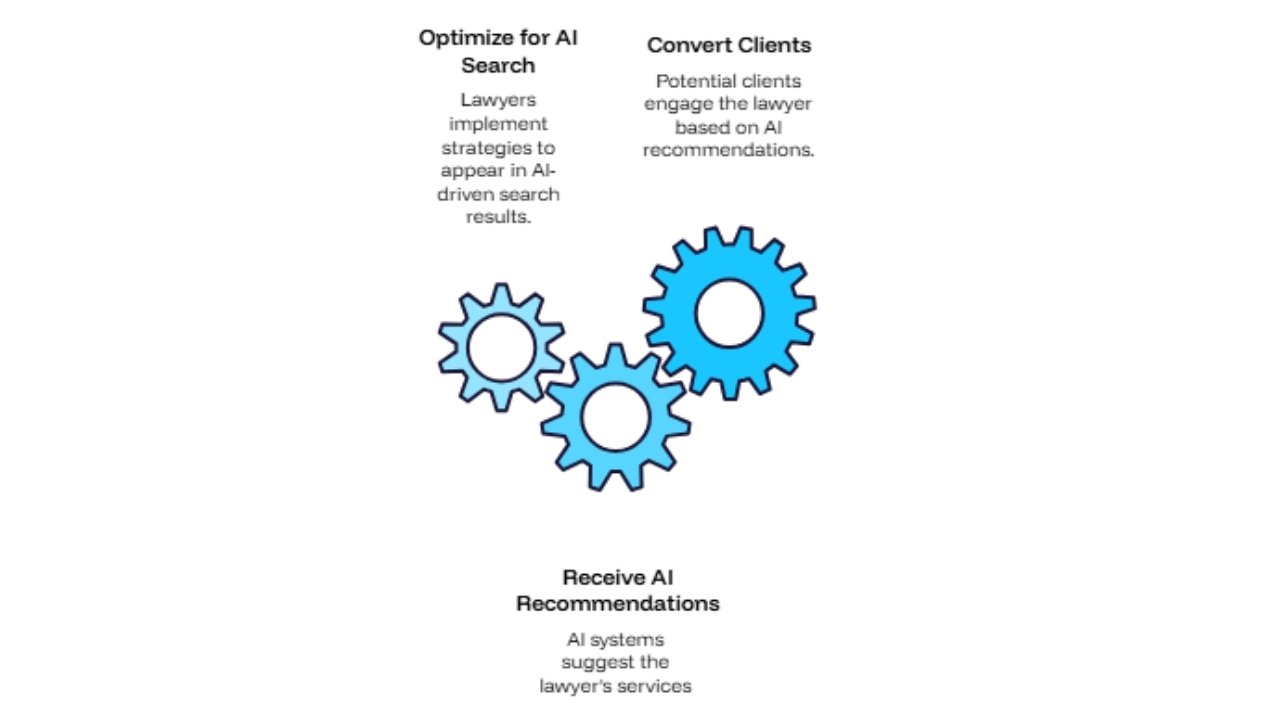
AI visibility is how often, and how favorably, your business shows up when people ask AI tools like ChatGPT, Gemini, Claude, or Perplexity for recommendations.
Think about how people search now. Someone wants a recommendation for a service — a roofer, a divorce attorney, a wedding photographer, a dentist. Instead of typing a few keywords into Google and scrolling through ten results, more and more people are simply asking an AI assistant directly: “Who’s a good [service] in [city]?” or “Compare a few options for [need].”
The AI doesn’t hand back a list of links. It gives a short, direct answer — usually naming just a small handful of businesses. AI visibility is whether your business is one of those names.
Why This Is Different From Traditional SEO
For years, the goal was ranking on the first page of Google. That still matters — a lot of traffic still comes from traditional search, and it’s not going anywhere soon. But AI visibility works on a different set of rules, and it’s worth understanding why.
There’s no “page two.” With Google, if you’re not first, you might still get found on page two or three, especially for less competitive searches. With AI tools, there’s often no equivalent. The AI picks a small number of names and moves on. You’re either part of that group, or the conversation doesn’t include you at all.
The AI isn’t just reading your website. Traditional SEO put a lot of weight on what was written on your own pages — your keywords, your meta descriptions, your content. AI tools take a much broader view. They consider how your business is talked about across the entire web: review platforms, local directories, news mentions, forum discussions, and other websites that reference you. Your own website is part of the picture, but it’s no longer the whole picture.
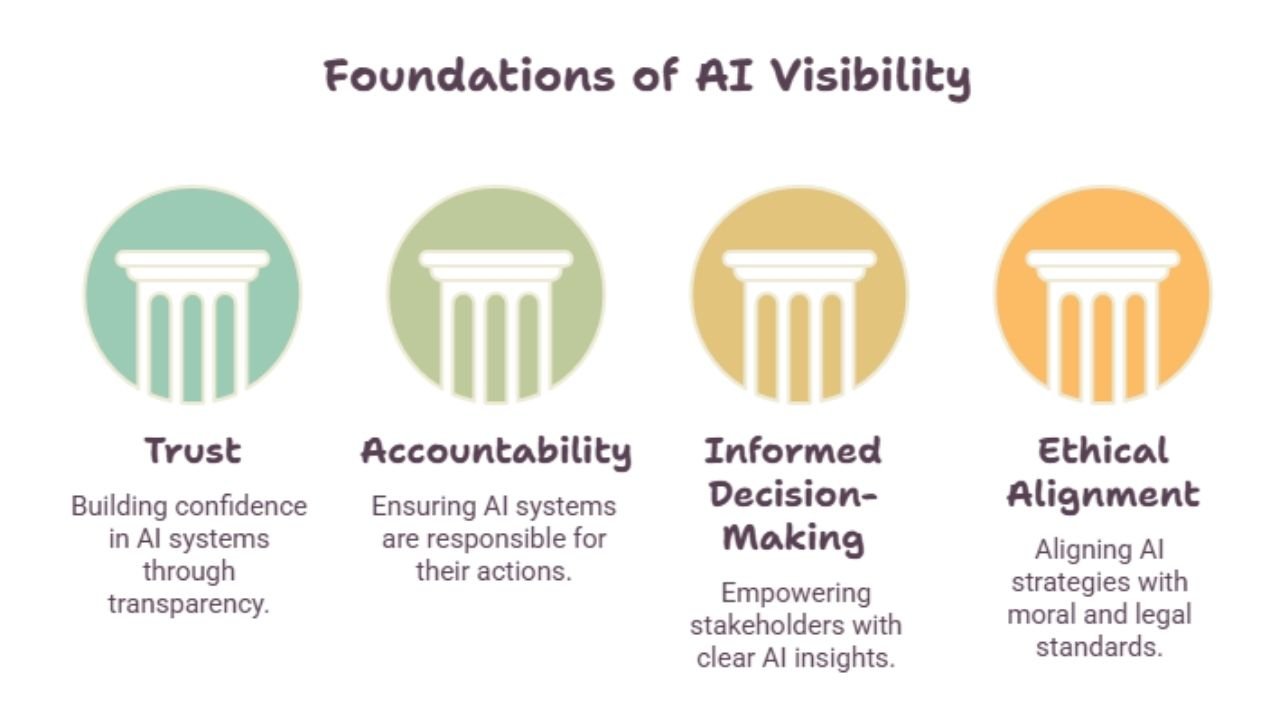
Trust and reputation carry more weight than ever. Because AI tools are essentially trying to give a confident recommendation, they lean heavily on signals that suggest a business is real, active, and well-regarded — consistent information, genuine reviews, and mentions from sources other than the business itself.
It’s not just about clicks. Sometimes, someone asks an AI tool for a recommendation, gets your business name, and never visits your website at all — they just call you directly or show up in person. That’s a real win for your business, even though it might not show up in your website analytics in an obvious way.
Why It Matters Now, More Than Ever
A growing share of people — especially when researching anything that takes a bit of thought, like choosing a service provider, comparing options, or making a higher-cost decision — are turning to AI tools as their first stop, sometimes even before opening a search engine.
For local businesses especially, this creates both a challenge and an opportunity. The challenge is that AI tools tend to mention far fewer businesses than a typical page of Google results would. Being “good enough to rank somewhere” isn’t enough anymore — you need to be good enough to be one of the few names mentioned.
The opportunity, though, is real. Because this shift is so recent, a lot of businesses haven’t started paying attention to it yet. That means there’s still room for a well-run local business to build a strong position before the space gets crowded — the same kind of early-mover advantage that benefited businesses who took search engine optimization seriously in its early days.
What Actually Influences AI Visibility
If AI visibility feels abstract, it helps to ground it in concrete factors. Based on what I’ve seen across different industries, these are the pieces that consistently matter:
Online reviews and how you handle them. A healthy flow of genuine reviews, spread across the platforms your customers actually use, paired with thoughtful responses — especially to less-than-perfect ones — sends a strong signal that your business is active and accountable.
Consistency of your business information. Your name, address, phone number, hours, and services should match across your website, your Google Business Profile, directories, and social media. Conflicting information creates doubt, and AI tools, like careful customers, tend to hesitate when something doesn’t add up.
Third-party mentions. Being referenced in a local news story, an industry blog, a community website, or even a well-written roundup article carries real weight. These mentions act like votes of confidence from sources outside your own control.
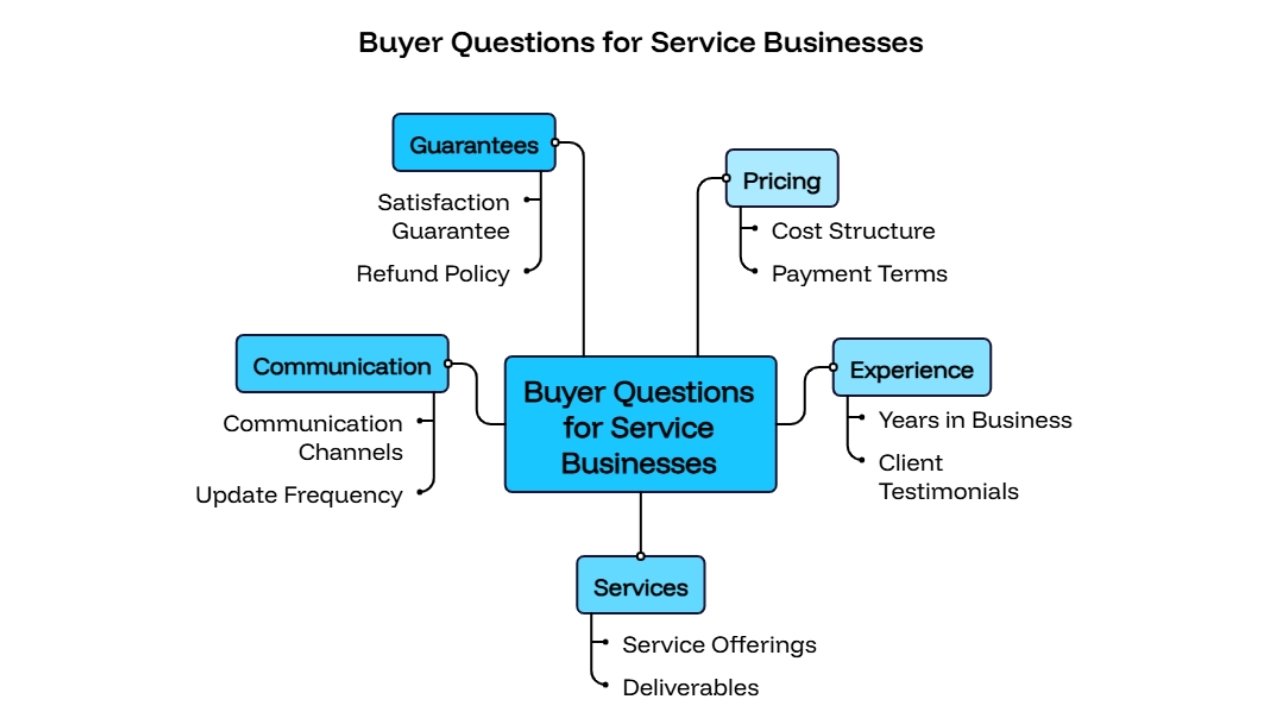
Clear, question-focused content on your site. Pages that genuinely answer the questions your customers are asking — written in plain, honest language rather than vague promotional copy — tend to be the ones AI tools pull from when forming an answer.
Freshness and activity. A business that’s clearly active — recent reviews, updated pages, current information — reads as more trustworthy than one that looks like it hasn’t been touched in years.
How AI Visibility and Traditional SEO Work Together
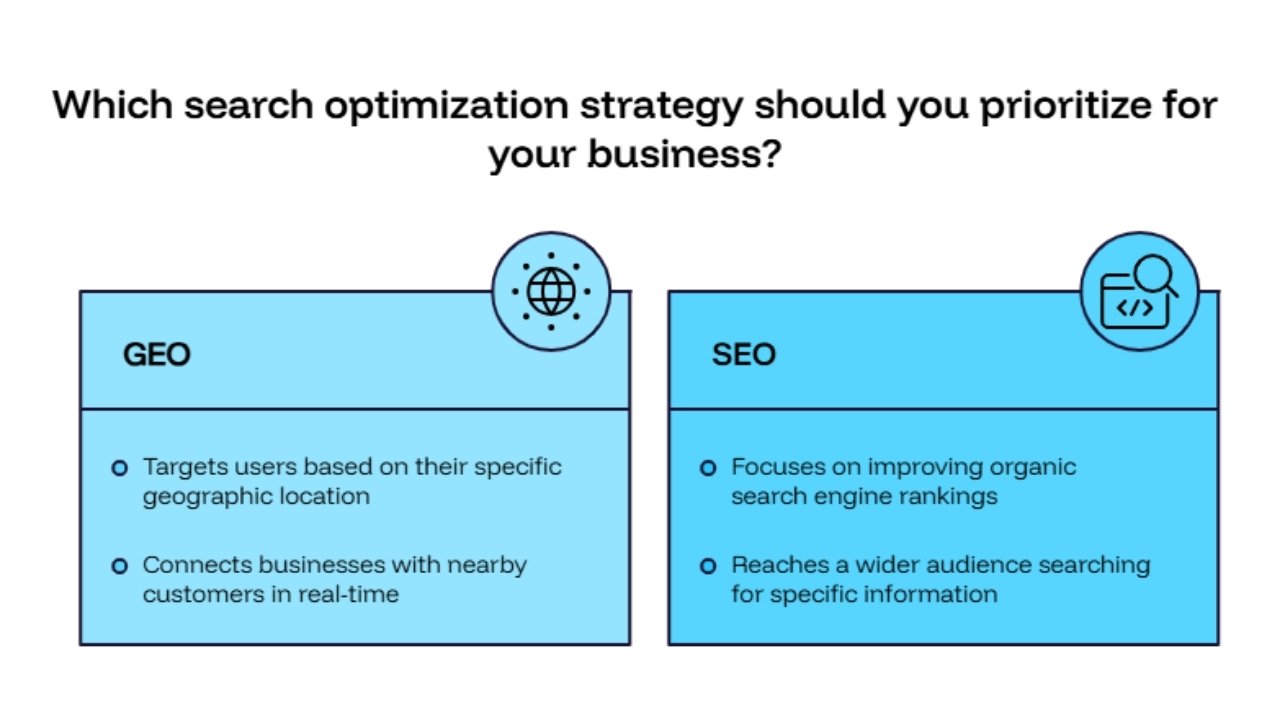
It’s worth being clear about something: AI visibility doesn’t replace traditional SEO, and you shouldn’t think of it as an either-or choice. In fact, most of the work that improves AI visibility also strengthens your traditional search presence — and vice versa.
A well-structured website that clearly answers customer questions helps you rank better on Google and gives AI tools clean, useful information to draw from. A strong base of genuine reviews helps your local search rankings and builds the kind of trust signal AI tools look for. Getting featured by other websites helps your backlink profile and increases the chances an AI tool will mention you by name.
In other words, the businesses that are winning at AI visibility right now are largely the same ones doing the fundamentals of good marketing well — they’re just benefiting from it in a new place too.
Where to Go From Here
If you’re new to this, the most useful thing you can do is simple: get curious about where you currently stand. Ask a few AI tools the kinds of questions your customers might ask, and see what comes back. Notice who gets mentioned, who doesn’t, and what those businesses seem to have in common — usually it’s reviews, mentions, and a website that clearly answers real questions.
From there, the path forward isn’t about chasing some new trick every month. It’s about steadily building the kind of presence — consistent, well-reviewed, genuinely helpful — that both people and AI tools find easy to trust and easy to recommend. That foundation doesn’t go out of date, no matter how the tools themselves continue to change.