A few years ago, the biggest question for any business owner was simple: “Are we on page one of Google?” That question hasn’t disappeared, but it’s no longer the only one that matters. Today, more and more people are skipping the search results page entirely. They open ChatGPT, Gemini, or Perplexity, type a question like “best dentist near me” or “most reliable plumber in my area,” and get a short, direct answer with two or three business names attached to it.
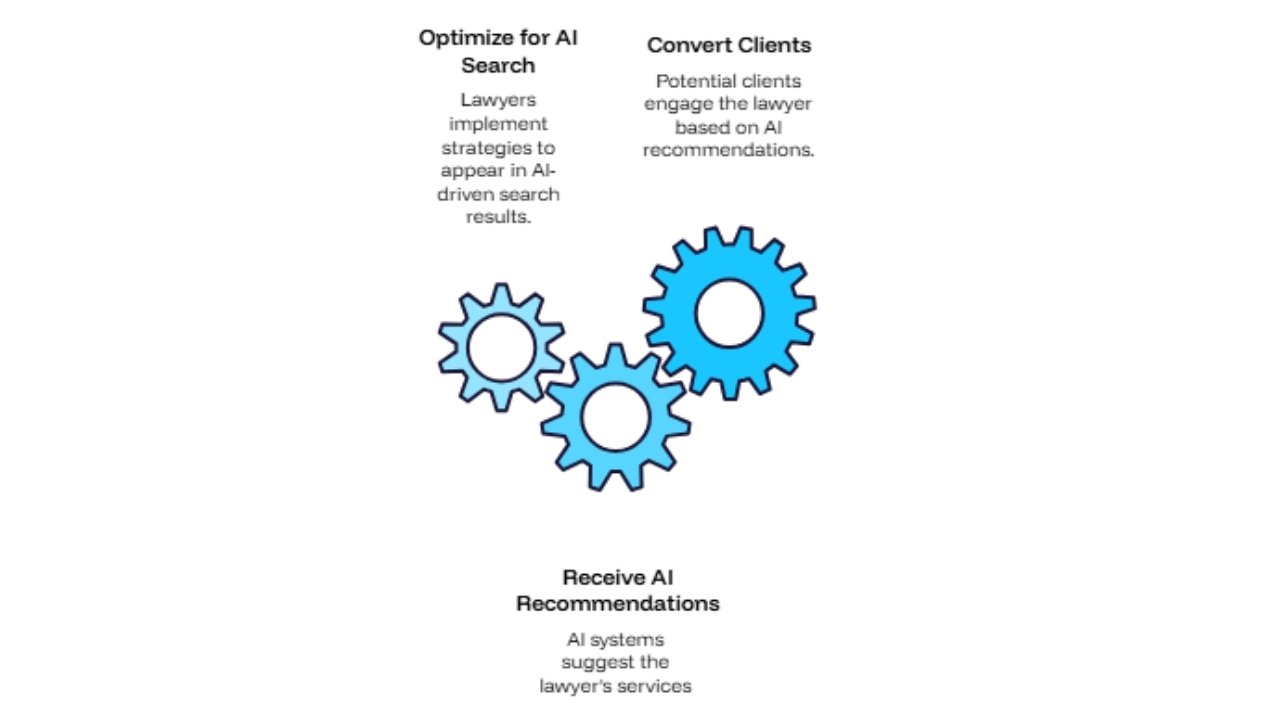
If your business isn’t one of those names, you don’t just lose a click. You lose the customer before they ever knew you existed. That’s the reality of AI-driven search in 2026, and it’s why so many business owners are now asking the same question: how do you actually get ChatGPT to recommend you?
After years of working in search optimization, I can tell you this much: it’s not magic, and it’s not about gaming the system. It’s about giving AI tools the same kind of clear, trustworthy signals that real customers look for too. Let’s break down what actually works.
Why ChatGPT Recommends Some Businesses and Ignores Others
ChatGPT and similar tools don’t “crawl” the web the same way Google does, and they don’t show ten blue links. When someone asks a question, the AI pulls together information from its training, from live web data, and from sources it considers credible, then gives a short, confident answer. There’s no “page two” in this world. You’re either part of that short list, or you’re invisible.
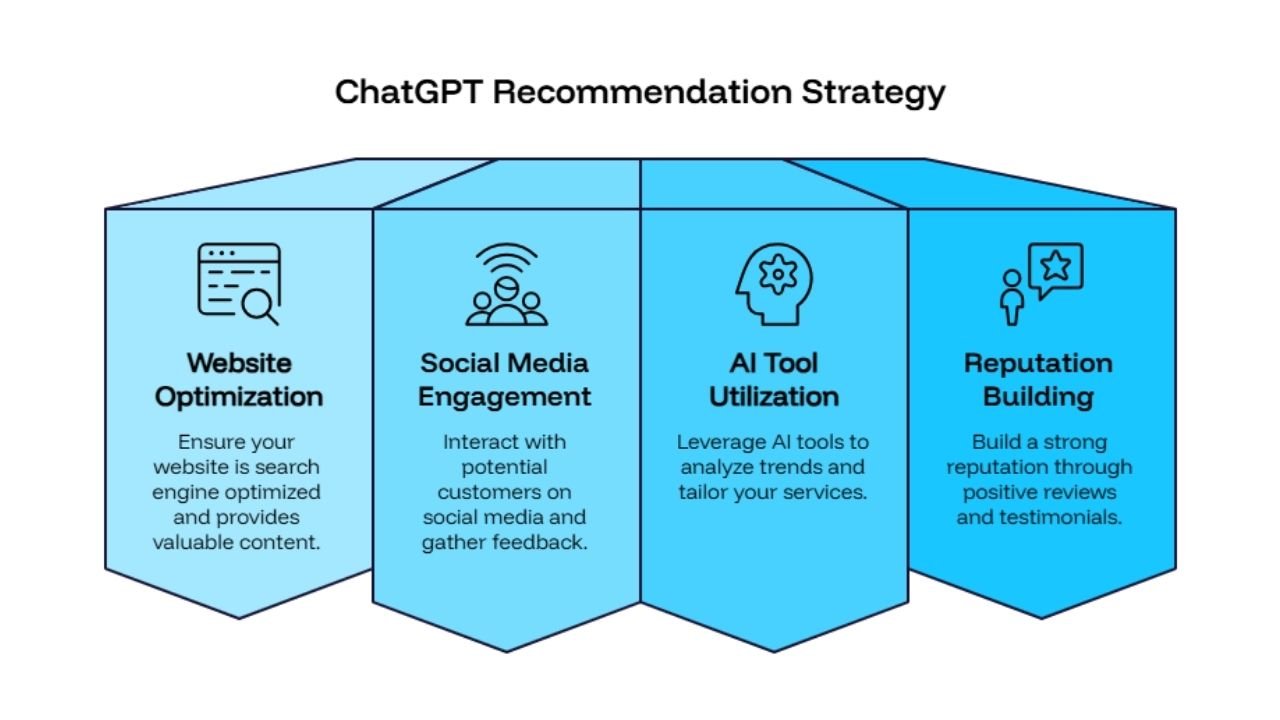
What decides whether your business makes that list? A few things consistently stand out:
- How often your business name appears across the web in places that aren’t your own website — review sites, local directories, industry forums, news mentions, and community discussions.
- Whether your information is consistent everywhere. If your business name, address, phone number, or services are listed differently on five different sites, that creates confusion, and AI tools tend to avoid recommending things they’re not confident about.
- How clearly your website answers the actual questions your customers ask, in plain language, without making people dig for the answer.
- The overall reputation signal — reviews, ratings, and how people talk about your business online.
Notice that none of this is about tricks or shortcuts. It’s about being genuinely easy to find, easy to verify, and easy to trust — for a machine reading the web the same way a cautious person would.
Start With the Questions Your Customers Actually Ask
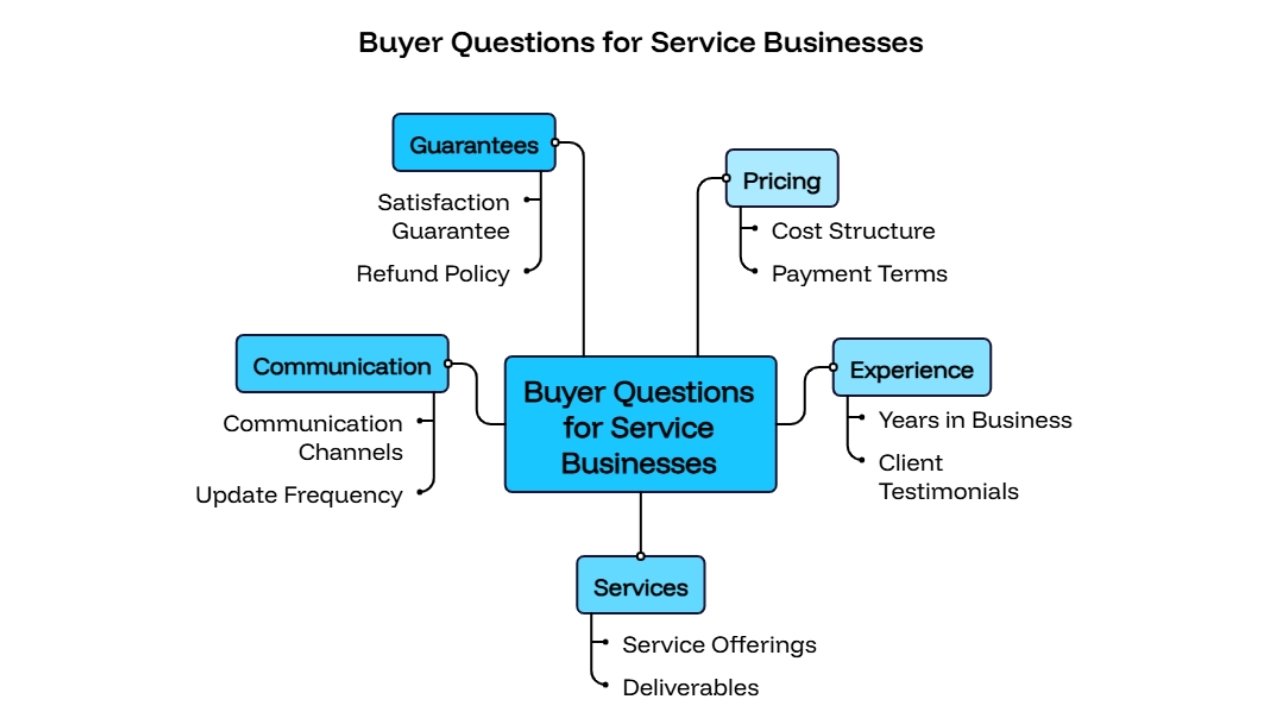
One of the most useful exercises I recommend to every business owner is this: sit down and write out the exact questions a potential customer might type into ChatGPT before choosing someone like you. Not generic ones like “what is SEO,” but specific, real-world questions:
- “Who’s a good [your service] in [your city]?”
- “What should I expect to pay for [your service]?”
- “Is [your business] reliable / licensed / experienced with [specific situation]?”
- “What’s the difference between [your service] and [a related service]?”
Now go check. Open ChatGPT or another AI tool and actually ask these questions. See who gets mentioned. If it’s never your business, that’s not a reason to panic — it’s a starting point. It tells you exactly where the gap is.
Once you know the questions, your job becomes making sure your website, your reviews, your social profiles, and your listings all contain clear, honest answers to those exact questions — in your own words, written the way a real person would explain it to a neighbor.
Build Trust Signals That AI Tools Can Actually “Read”
This is the part that surprises a lot of business owners: AI tools lean heavily on the same trust signals that have always mattered for word-of-mouth and local reputation. The difference is that now they’re being read and weighed by algorithms instead of just by people.
A few of the most important ones:
Reviews, and how you respond to them. A steady stream of honest reviews — including ones where you clearly addressed a complaint — tells both customers and AI systems that you’re an active, accountable business. Don’t chase volume for its own sake. Focus on making it easy for happy customers to leave a review, and always respond, even to the negative ones.
Consistency across the web. Your business name, address, phone number, and core services should match across your website, your Google Business Profile, directories, and social profiles. This sounds basic, but it’s one of the most common things I find broken when I audit a business for the first time.
Being mentioned by others, not just mentioning yourself. A local news article, a podcast interview, a guest post on an industry blog, a mention in a “best of” roundup written by someone else — these all carry far more weight than anything you write about yourself. If you’ve never been featured anywhere, even a small local feature is a meaningful step.
Clear, structured information on your own site. This means having dedicated pages or sections that genuinely answer common questions — pricing ranges, service areas, what’s included, how the process works — written in plain language rather than vague marketing copy.
Make Your Website Easy for AI to Understand
There’s a technical side to this too, but it’s less complicated than people assume. AI tools tend to favor content that’s organized clearly: real headings that describe what’s underneath them, FAQ-style sections that match how people actually phrase questions, and pages that focus on one topic at a time instead of trying to cover everything at once.
If your “About” page, your service pages, and your FAQ all say roughly the same generic things, that’s a missed opportunity. Each page should answer a different real question as specifically as possible. Think of it less like writing an advertisement and more like writing a genuinely useful answer that you’d be happy to read yourself.
It also helps to keep your content fresh. A page that hasn’t been touched in years sends a quiet signal that the business might not be active anymore — and AI systems, like cautious customers, tend to favor things that look current and well-maintained.
Patience, Then Momentum
Here’s something I tell every client: this isn’t a switch you flip overnight. Building the kind of presence that AI tools trust enough to recommend takes consistent work — a steady stream of reviews, a few credible mentions, a website that keeps answering real questions, and information that stays accurate everywhere it appears.
But once it starts working, it tends to build on itself. A mention in an AI answer leads to more people searching for your name, which leads to more reviews and more mentions, which makes the next AI answer even more likely to include you. It compounds, the same way good word-of-mouth always has — just on a much bigger scale.
If you’re not sure where your business currently stands, the simplest first step is the one I mentioned earlier: ask the questions yourself. See who shows up. Then start closing the gaps, one trust signal at a time. That’s how real, lasting visibility gets built — not just for ChatGPT, but everywhere your customers are looking.