Something big has shifted in the way people find local businesses.
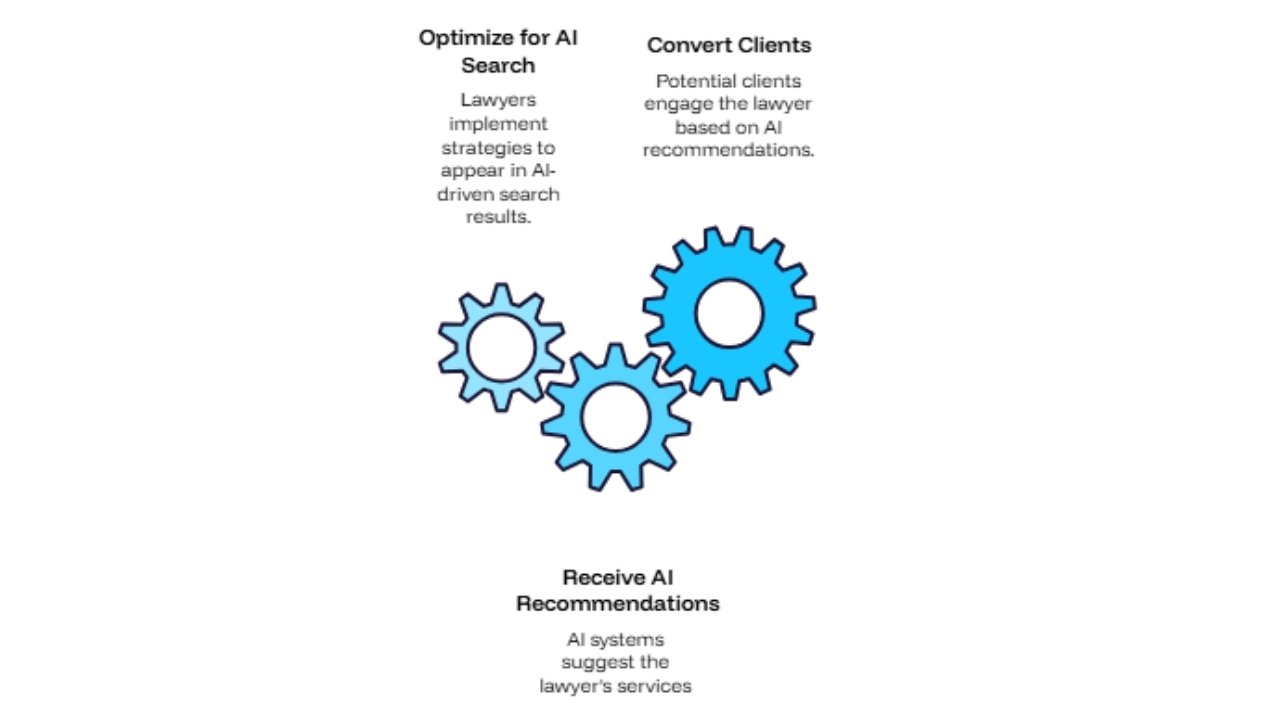
A few years ago, the game was simple rank on Google’s first page, get clicks, get customers. But today, a growing number of people are skipping the traditional search results entirely. They’re typing questions into AI tools like ChatGPT, Google’s AI Overviews, Perplexity, and Microsoft Copilot and trusting whatever those tools recommend.
The scary part? Most local businesses have no idea this is happening. And the exciting part? Because awareness is still low, there’s a real opportunity right now for businesses that act early.
This guide breaks down exactly how AI search works, why it matters for local businesses, and what you can do this year to show up when and where it counts.
Why AI Search Is Now Part of Local Discovery
Think about the last time you searched for something like “best dentist near me that’s open on Saturdays” or “affordable plumber in [suburb] who does emergency callouts.” Those searches used to pull up a map and a list of websites.
Now, many of those same searches trigger an AI-generated answer a confident, conversational response that recommends two or three businesses by name, explains why they’re good, and links to their website or profile.
The business that gets mentioned in that answer wins the click, the call, and the customer. The ones that don’t get mentioned might as well not exist for that search.
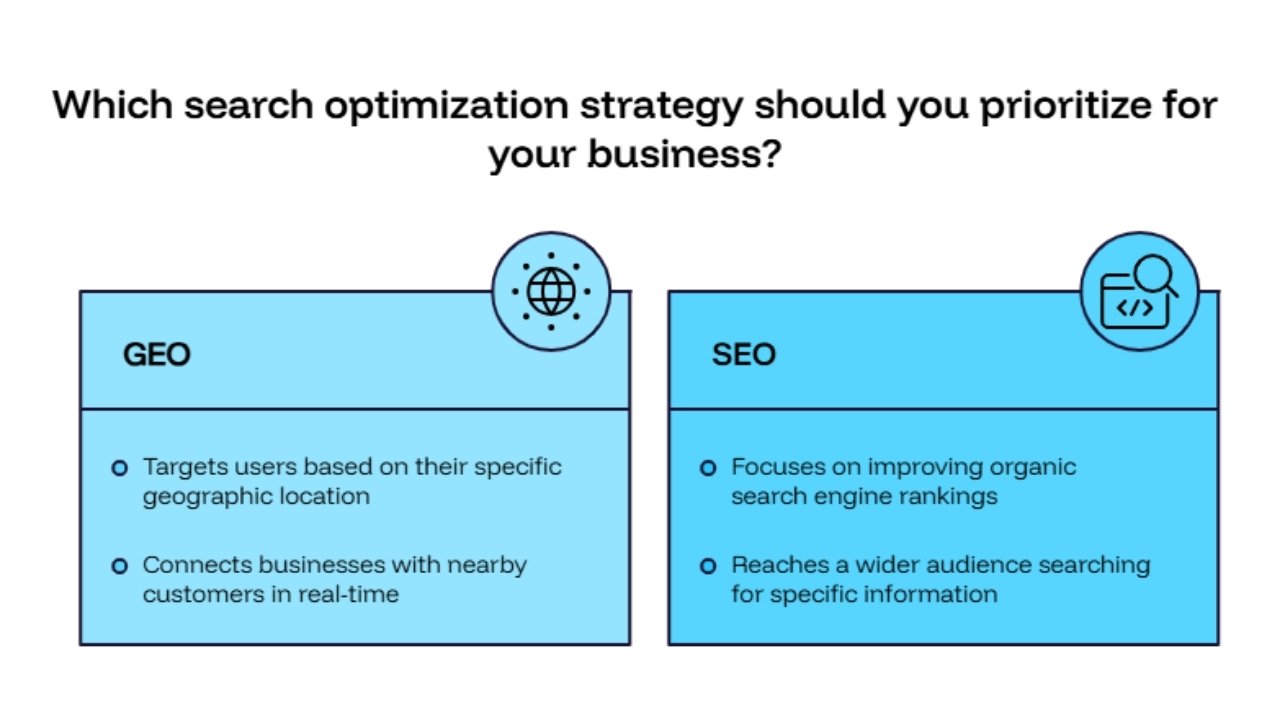
This is why 2026 is the year local businesses need to stop thinking of SEO as just “Google rankings” and start thinking about how their information, reputation, and content appears to AI systems.
How AI Tools Decide Who to Recommend
AI search engines aren’t just pulling from one place. They’re pulling from everywhere Google Business Profiles, review sites like Yelp and Trustpilot, local news mentions, business directories, structured data on your website, social media, and the overall quality of your web presence.
When an AI tool gets asked “who’s the best [service] in [suburb],” it’s essentially doing research fast. It’s looking for signals that tell it which business is trustworthy, relevant, and worth recommending to a human.
Here’s what those signals look like in practice:
Consistency of information. If your business name, address, and phone number appear slightly differently across different platforms, AI tools notice that inconsistency. They’re less likely to confidently recommend a business whose basic details don’t line up.
Depth of reputation. A business with 12 reviews and a 3.8 star rating is much less likely to be recommended than one with 80 reviews and a 4.6 rating especially if those reviews mention specific services, team members, and locations.
Content that answers real questions. AI tools love websites that give useful, specific answers. A plumbing business that has a page explaining “what to do when your hot water system fails at night” is far more likely to get mentioned in a relevant AI query than one with just a homepage and a contact form.
Structured data. This is the behind-the-scenes code that tells search engines and AI tools exactly what your business does, where it’s located, when it’s open, and what services it offers. Without it, AI tools are guessing.
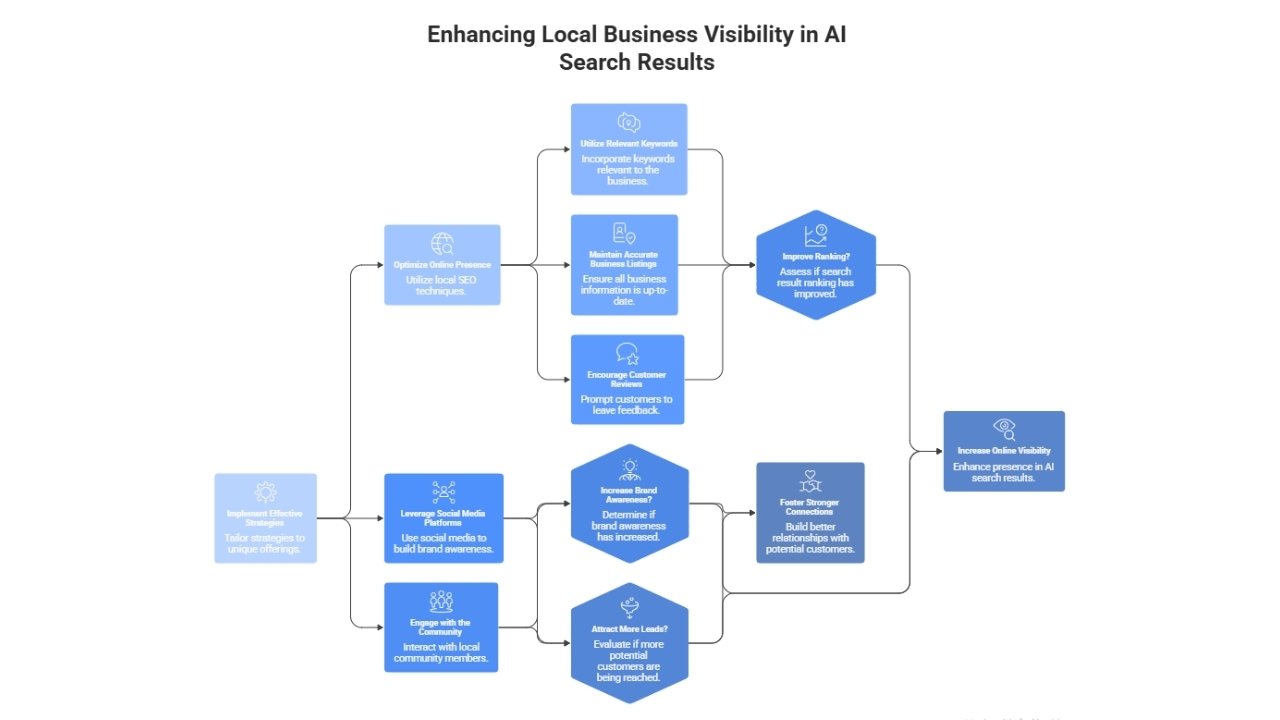
The Practical Steps to Get Your Local Business Into AI Results
1. Treat Your Google Business Profile Like Your Homepage
In 2026, your Google Business Profile (GBP) is often the first and sometimes the only thing AI tools reference when recommending a local business. Most business owners set it up once and forget about it. That’s a mistake.
Post updates at least weekly. Add photos regularly not stock images, but real photos of your work, your team, your premises. Answer every question in the Q&A section. Respond to every review, positive or negative.
The businesses that treat their GBP as a living, breathing profile are the ones that AI tools trust enough to recommend.
2. Build a Citation Footprint That’s Clean and Consistent
Citations are mentions of your business on other websites directories, review platforms, local business listings, industry-specific sites. AI tools use these to verify that your business is real, established, and legitimate.
The key word here is consistent. If your address is listed differently in five places, or your old phone number is still floating around in some directory, those inconsistencies create doubt.
Go through the major platforms Google, Apple Maps, Bing Places, Yelp, Facebook, TripAdvisor (if relevant), and any industry-specific directories and make sure every detail matches exactly.
3. Get More Reviews and Make Them Specific
Reviews are currency in AI search. Not just the star rating, but the words inside the reviews.
When a customer says “we called at 8pm and they arrived within an hour, fixed our burst pipe, and cleaned up after themselves” that review is doing heavy SEO lifting. It mentions the service (burst pipe), the differentiator (fast response, evening availability), and the outcome (cleaned up). AI tools can read that and understand exactly what this business is good at.
Build a system for asking happy customers to leave reviews. A simple follow-up message after a job, a card you hand over at the end of a service, or an automated email whatever fits your workflow. The goal is consistent, recent, detailed reviews.
4. Create Content That Directly Answers Local Questions
This is where most local businesses have the biggest gap and the biggest opportunity.
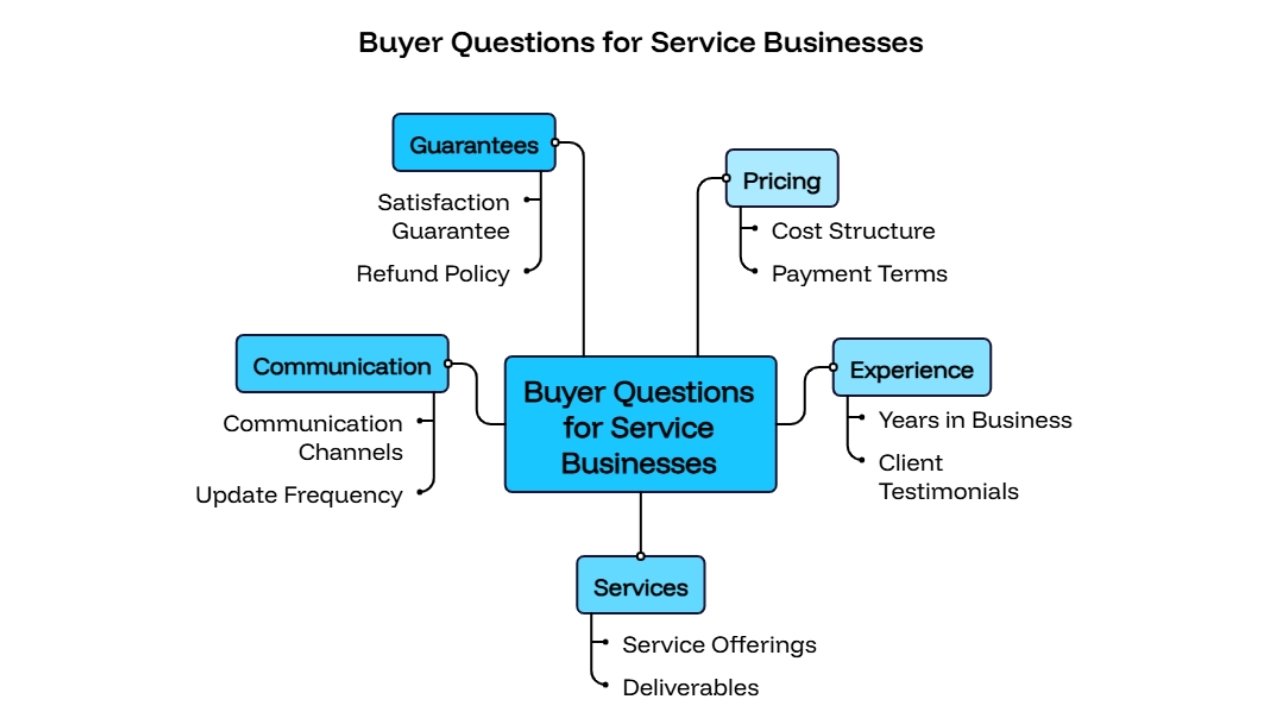
Think about the questions your customers ask before they hire you. Not “what are your prices” they can call for that. Think about the anxious, middle-of-the-night questions they type into their phone:
- “Is it safe to keep using my hot water system if it’s leaking?”
- “How long does a dental implant procedure take?”
- “What should I look for when hiring a removalist in [suburb]?”
Write pages on your website that answer these questions honestly and thoroughly. Not sales pages. Not fluff. Real, useful information that happens to come from your business.
When AI tools field these questions, they look for the best available answer online. If your business has written the clearest, most helpful response to that question, you become the source and you get the recommendation.
5. Add Schema Markup to Your Website
Schema markup is structured data essentially, a layer of code on your website that tells AI and search tools exactly what you do, where you are, and what you offer.
For local businesses, the most important schema types are:
- LocalBusiness schema confirms your name, address, phone, hours, and service area
- Service schema describes each service you offer
- Review schema surfaces your aggregate review rating in search results
- FAQ schema marks up your frequently asked questions so AI tools can pull answers directly
Most website builders support this, and many SEO plugins can generate it for you. If you’re not sure whether your site has schema markup, it’s worth having someone check.
6. Earn Mentions From Local Sources
AI tools pay attention to where a business gets mentioned beyond its own website. A mention in a local newspaper, a recommendation in a community Facebook group that’s been indexed, a feature on a local business association website these all build authority.
Think about your local community. Are there local blogs, news sites, or directories where you could contribute something? Could you sponsor a local event and get a mention on their website? Could you be interviewed as a local expert on a topic related to your industry?
These aren’t just good for AI search, they’re good for your overall reputation. But in 2026, they also feed directly into whether AI tools see you as a trusted, established local business.
The Mindset Shift That Changes Everything
The businesses that struggle with AI search are the ones that are still thinking about SEO as a technical trick stuff you do to your website to game an algorithm.
The businesses that win are the ones that understand a simple truth: AI tools are trying to recommend the best answer to a human question. If you are genuinely the best option in your area for what you do and you can demonstrate that through your reviews, your content, your consistency, and your online presence AI tools will find you and recommend you.
This isn’t about shortcuts. It’s about building the kind of online presence that deserves to be recommended.
Start with one thing. Fix your Google Business Profile. Clean up your citations. Write one genuinely helpful article. Ask your last five customers for a review. Each of these moves builds on the last, and over months, they compound into a presence that AI tools and the humans who use them will trust.
Ready to see how your local business currently appears in AI search results? A proper audit is the best first step. It shows you exactly where the gaps are and what to prioritise.