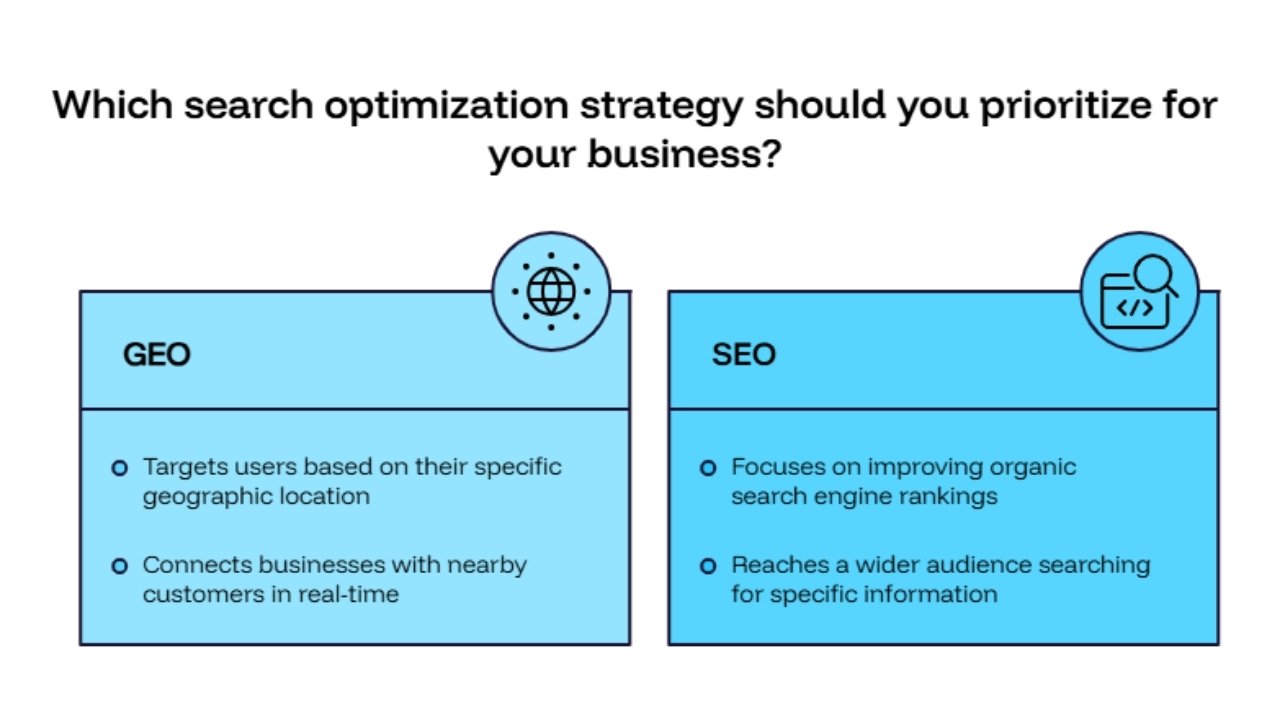
There’s a term that’s been circulating in SEO circles lately: LLM SEO. Or sometimes you’ll hear it called GEO Generative Engine Optimization. The names vary, but the idea is the same.
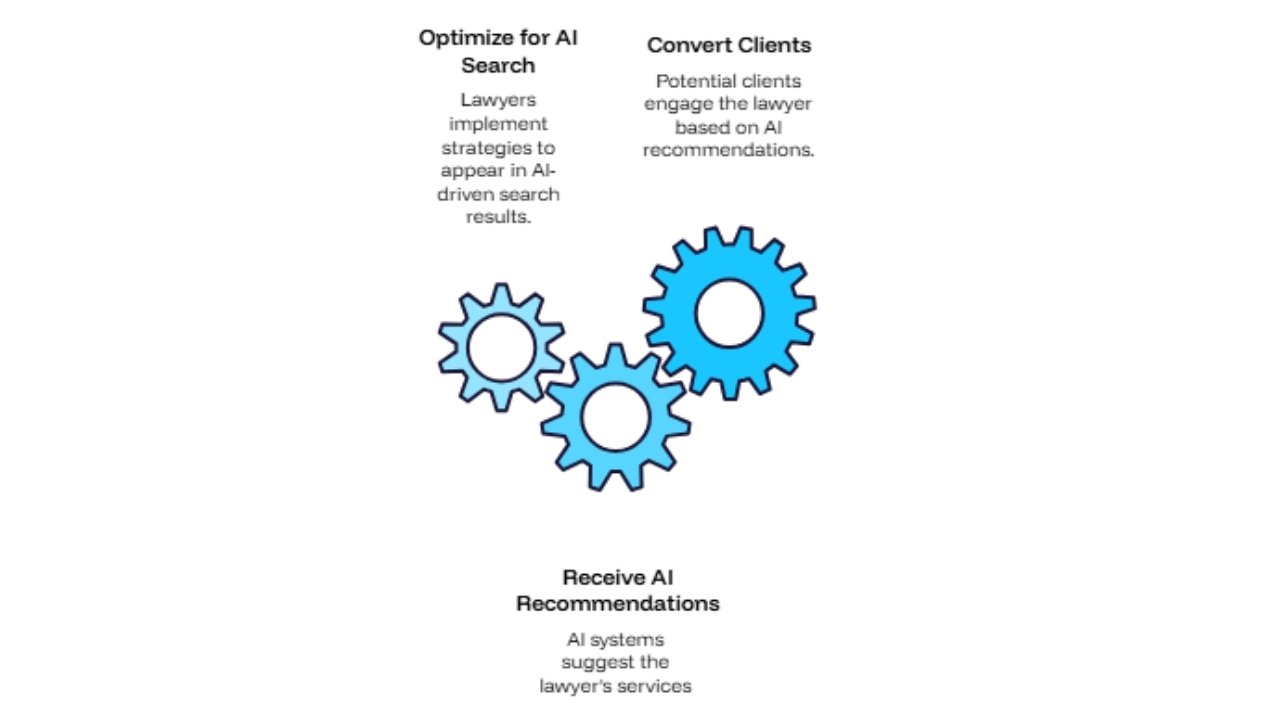
It’s the practice of optimizing your online presence so that large language models of AI systems powering tools like ChatGPT, Google’s AI Overviews, Perplexity, and others are more likely to surface your business, your content, or your expertise when someone asks a relevant question.
If you’ve been doing traditional SEO for a while, some of this will feel familiar. But there are meaningful differences. And if you’ve been ignoring SEO altogether, this is a particularly good moment to pay attention because the habits that help you get found in AI search are the same habits that build a genuinely trusted online presence.
What LLM SEO Actually Means in Plain Language
When someone asks an AI tool a question, say, “what’s the best accounting software for small businesses in Australia” or “which digital marketing agency in Brisbane actually gets results for trades businesses” the AI doesn’t search Google in real time (except in specific cases). It draws on a vast pool of information it was trained on, combined with its ability to reason about quality and relevance.
But here’s the thing: that information pool includes your website, your reviews, your business profiles, industry directories, news mentions, forum discussions, and everything else that’s publicly available online. The AI is essentially doing a very fast, very thorough evaluation of who the credible sources and recommended businesses are for that topic or location.
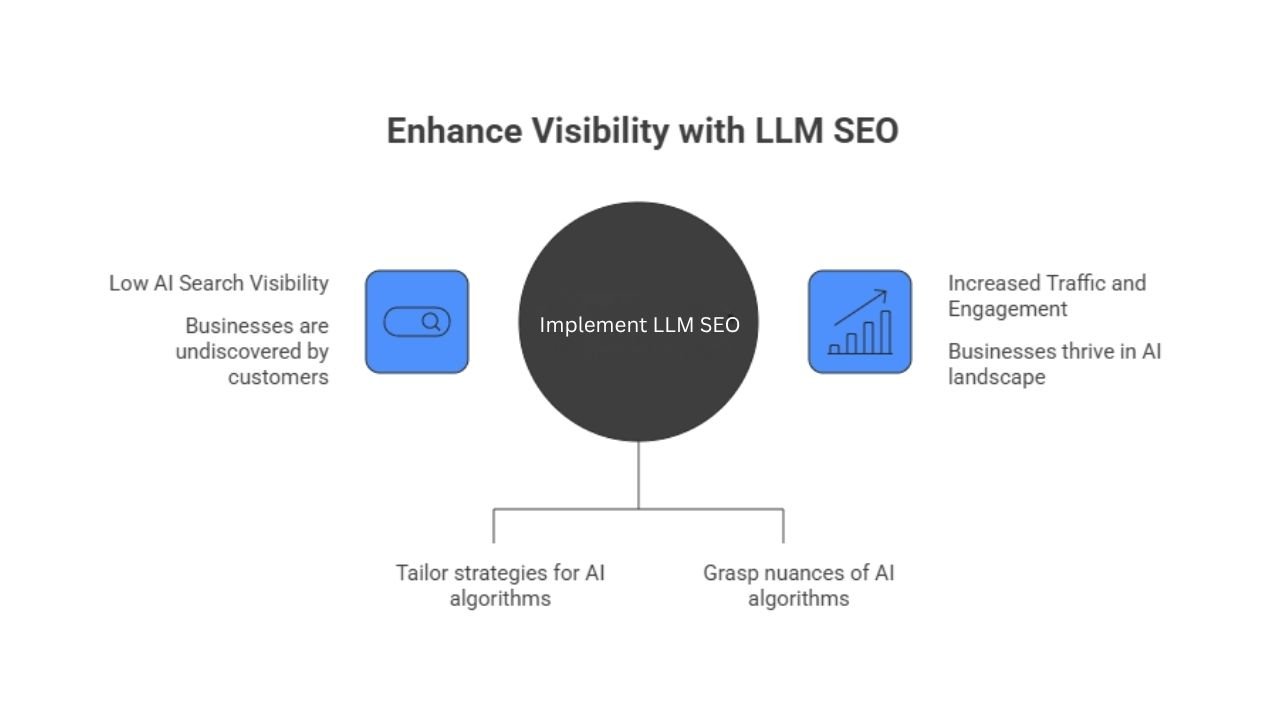
LLM SEO is the process of making sure your business comes out well in that evaluation. It’s about being the kind of business that an AI and therefore a human would trust enough to recommend.
Why This Is Different From Traditional SEO (And Why That Matters)
Traditional SEO was largely about signals you could control: your page title, your meta description, your keyword density, your backlink count. You could make measurable changes and watch your ranking move up or down.
LLM SEO is more holistic. It’s less about any one signal and more about the overall picture of your business across the internet. AI tools are trying to answer a harder question than “which page is most optimized for this keyword.” They’re trying to answer “which business or source is actually the most trustworthy and useful for this person’s situation.”
That’s a harder thing to fake, which is actually good news. It means that the businesses putting in genuine effort creating real content, earning real reviews, maintaining a real presence are the ones that will benefit most.
The Core Components of LLM SEO Optimization
Entity Authority: Making Sure AI Knows Who You Are
In SEO terms, an “entity” is a clearly defined thing a person, a business, a place, a concept. AI tools and search engines have become extremely good at understanding entities and the relationships between them.
For your business, this means making sure AI tools can clearly identify:
- What your business is called (and that the name is consistent everywhere)
- What your business does
- Where your business operates
- Who your business serves
- What differentiates your business from competitors
This isn’t just about having a website. It’s about having a coherent, consistent digital identity across every platform where your business exists. Your GBP, your LinkedIn page, your website’s About page, your directory listings should all paint a consistent picture of the same business.
When the information about your business is consistent and clear across many sources, AI tools can confidently include you in relevant responses. When it’s scattered and contradictory, they tend to err on the side of caution and recommend someone else.
Content That Earns Citations From AI
Here’s something that surprises a lot of business owners: AI tools, when generating answers, look for sources they can cite or draw from. If your website has content that directly and credibly answers common questions in your industry, you become a source and sources get referenced.
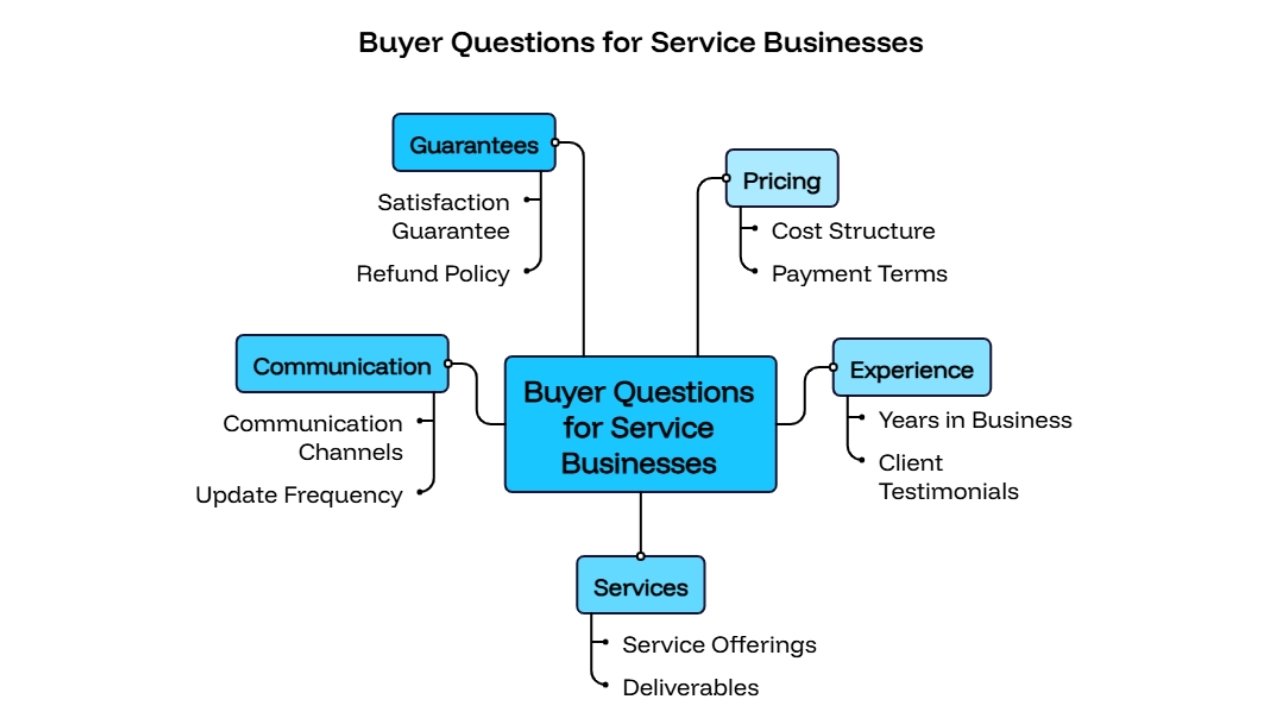
This is especially powerful for service businesses and local businesses in competitive niches. If you’re the only law firm in your city with a clear, well-written page explaining how the family court process works in plain English, AI tools fielding that question are more likely to point people toward your site.
The content that works best for LLM SEO tends to:
- Answer specific questions that people actually ask (not broad, vague topic pages)
- Use clear, direct language not jargon-heavy text written to impress rather than inform
- Be genuinely comprehensive covering the question fully rather than teasing information to drive contact
- Be structured in a way that’s easy for both humans and AI to parse (clear headings, logical flow, specific examples)
Topical Authority: Owning Your Niche Online
One of the strongest signals for AI search is topical authority, the degree to which your website and online presence are seen as a genuine expert on a given topic.
A plumber who has one page on their website isn’t an authority. A plumber who has pages covering hot water systems, blocked drains, pipe relining, bathroom renovations, emergency plumbing, and common plumbing problems in older homes and who has been writing and updating that content for years is starting to look like an authority.
AI tools pick up on this. They can distinguish between a thin, generic website and one that demonstrates genuine depth of knowledge about a topic.
Building topical authority doesn’t require publishing every day. It requires being genuinely useful and consistent over time building up a body of content that covers your area of expertise more thoroughly than anyone else in your local market.
Technical Signals That AI Tools Read
While LLM SEO is more content and reputation-focused than traditional SEO, the technical foundations still matter. A few worth highlighting:
Structured data and schema markup. As covered in our guide on local AI rankings, schema markup tells AI tools and search engines exactly what your business is, what it does, and what information is on each page. For service businesses, this includes your service area, service types, business hours, accepted payment methods, and more.
Page speed and accessibility. AI crawlers and search bots can’t properly index slow or broken websites. A fast, cleanly coded site that loads well on mobile is table stakes in 2026.
Internal linking. The way your pages link to each other helps AI tools understand the relationship between your content and the overall structure of your expertise. A well-structured internal linking system shows that your content is organised and intentional, not just a collection of disconnected pages.
E-E-A-T signals. This stands for Experience, Expertise, Authoritativeness, and Trustworthiness the framework Google uses to evaluate content quality, and a useful mental model for AI search more broadly. Adding author bios to your content, including credentials, citing sources, and being transparent about who’s behind your business all contribute to E-E-A-T.
How to Start Optimising for AI Search: A Realistic Approach
The biggest mistake businesses make with LLM SEO is treating it like a campaign, something you run for a few months and then stop. It doesn’t work that way.
AI tools update their knowledge. They get better at evaluating quality. The businesses that stay visible are the ones that keep showing up with new content, fresh reviews, updated profiles, and an ongoing presence that signals activity and relevance.
A realistic starting point looks something like this:
Month one: Audit what already exists. Check your Google Business Profile, your website’s schema markup, your citations across major directories. Fix what’s broken or inconsistent before building anything new.
Months two and three: Start building content. Identify the questions your customers ask most often and the topics where your business genuinely has expertise. Write pages that address those topics thoroughly and honestly.
Ongoing: Keep adding reviews. Keep updating your GBP. Keep publishing content at whatever pace you can sustain. Monitor your Google Search Console to see which queries are bringing people to your site, and create content that serves those queries better.
The Trust Factor: Why Reputation Is the Heart of LLM SEO
If there’s one thing worth internalising about how AI search works, it’s this: these tools are trying to behave like a knowledgeable friend who’s done the research for you. When that friend recommends a business, they’re recommending one they trust.
Trust, in this context, is built from many small signals over time. Consistent reviews. A professional, up-to-date website. Mentions in credible places. Content that genuinely helps rather than just sells. A business profile that looks like a real, active operation.
None of these things are tricks. They’re just the digital version of being good at your job and letting people know about it. The businesses that understand this are the ones who’ll be showing up in AI recommendations while their competitors are still wondering why their phone isn’t ringing.
If you’re not sure where your business currently stands in AI search, the first step is understanding your starting point. An LLM SEO audit looks at your entity authority, content gaps, technical foundations, and reputation signals giving you a clear picture of what to fix and what to build.