Welcome to the Complete Guide to AI Search Optimisation for Local Businesses in Australia, a resource designed for business owners and marketers who want to improve their visibility and get recommended by AI platforms. In an age where artificial intelligence influences how search results are delivered, mastering AI search optimisation is no longer optional. Local businesses must adapt to this shift to remain competitive and visible in digital landscapes shaped by AI‑driven tools and platforms.
This guide explores practical strategies that help you stand out in AI search results, increase local traffic, and generate more qualified leads through intelligent optimisation approaches.
Why AI Search Optimisation Matters for Australian Local Businesses
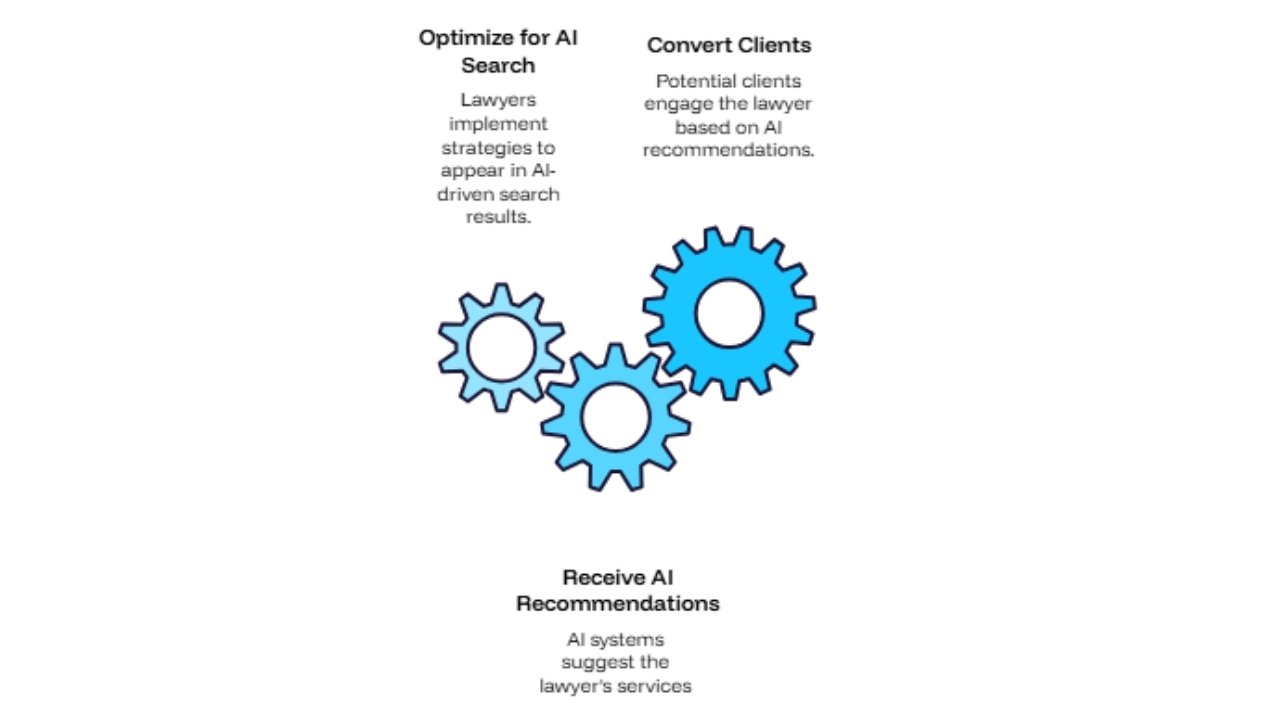
AI is redefining how search engines and intelligent assistants understand user intent, interpret content, and prioritise recommendations. For local businesses, aligning with AI search optimisation means not just ranking on page one; it means being recommended by intelligent systems like Microsoft Copilot, Google Bard, and other AI‑powered search engines.
A successful Complete Guide to AI Search Optimisation for Local Businesses covers how AI:
- Learns and adapts to search behaviour over time
- Identifies content relevance for specific queries
- Matches local intent to user needs
- Rewards structured, high‑quality, and authoritative content
This shift makes it vital for Australian businesses to understand and implement AI search strategies.
According to HubSpot research, 63% of marketers see AI improving their SEO results significantly within one year. (External link)
What Is AI Search Optimisation and Why It’s Critical
AI search optimisation involves aligning your digital presence to how AI systems interpret relevance, quality, and context. It goes beyond traditional SEO by considering:
- Natural language understanding
- Semantic relevance
- Predictive intent modelling
- Machine learning on user interactions
In this Complete Guide to AI Search Optimisation for Local Businesses, we’ll break down how these factors translate into actionable tactics that help Australian businesses thrive.
1. Master Local Intent with AI‑Driven Keyword Research
Traditional keyword research focuses on term popularity and competition. AI search optimisation extends this by understanding the intent behind searches. AI models interpret queries contextually and prioritise results that best match user needs.
Target local phrases such as:
- “Best cafe near Melbourne”
- “Emergency plumbers in Brisbane”
- “Affordable AI marketing services Sydney”
When optimising content with these phrases, remember to naturally integrate your primary keyword: Complete Guide to AI Search Optimisation for Local Businesses.
AI tools help identify long‑tail variations of local search terms, giving you an edge in capturing specific user intent. These refined keyword strategies increase:
- Local relevance
- Search visibility
- User engagement
2. Create Structured Content That AI Can Understand
Modern AI systems value content that is:
- Structured logically
- Easy to parse
- Relevant to the query
- Supported by context and data
Build content focused on local search optimisation by organising your pages with clear headings, bullet points, and concise paragraphs.
Include your primary keyword, Complete Guide to AI Search Optimisation for Local Businesses throughout:
- The title
- First paragraph
- Multiple subheadings
- Conclusion
This improves readability and relevance in AI‑driven search results.
3. Use Schema Markup and Structured Data
Schema markup helps AI platforms interpret your content and business details more accurately. This matters especially for:
- Local business listings
- Reviews and ratings
- Services and products
- Contact details
Search engines like Google rely on schema to enhance search features like:
- Rich snippets
- Knowledge panels
- Local packs
According to Search Engine Journal, schema implementation can increase visibility and click‑through rates.
Implementing structured data is an essential component of the Complete Guide to AI Search Optimisation for Local Businesses because it directly signals relevance to AI systems.
4. Optimise for Voice and Conversational Queries
Voice search is steadily growing, especially through mobile devices and smart assistants. When users speak queries, they often use natural language patterns. AI optimisation for voice includes:
- Incorporating conversational phrasing
- Answering specific questions directly
- Providing clear, concise responses
For example, using FAQ sections that answer:
“How do I find local electricians with AI assistance?”
Improves your chances of getting featured in voice or AI search responses.
Voice search optimisation ties directly into broader AI search strategies, helping manage both traditional and intelligent assistant traffic.
5. Track User Behaviour With AI‑Powered Analytics
Once your content is live, analytics powered by AI can help you understand how audiences interact with your site.
AI analytics tools provide:
- Predictive performance insights
- User intent tracking
- Content engagement patterns
- Suggested optimisations for better outcomes
Data‑driven insights are central to the Complete Guide to AI Search Optimisation for Local Businesses because they help transform raw data into strategic actions.
6. Improve Local Visibility With Reviews and Ratings
AI platforms prioritise businesses that demonstrate:
- High ratings
- Frequent reviews
- Diversified review sources
Encourage customers to leave feedback on Google My Business, industry directories, and social platforms.
Positive reviews reinforce your authority and trust, two key signals that AI systems use when generating recommendations.
7. Automate Local Lead Capture and Nurturing
Automating lead capture using AI tools such as chatbots and recommendation engines improves responsiveness and customer experience.
Benefits include:
- Immediate engagement with prospects
- Qualifying leads automatically
- Suggesting relevant services
This strategy aligns with the Complete Guide to AI Search Optimisation for Local Businesses because it enhances both visibility and conversion.
Internal Linking Strategies to Boost Authority
Using internal links helps distribute authority and improves indexing by search engines. Key pages worth linking include:
- AI visibility analysis connects strategic insights with data‑backed visibility improvements.
- AI ranking audit helps evaluate current performance and uncover AI optimisation gaps.
- AI recommendation optimisation shows how to refine content for better AI‑driven suggestions.
Internal linking strengthens your site architecture and aids AI systems in understanding page relationships.
The Connection Between AI Search and Conversion Rates
While AI search optimisation improves visibility, it also influences conversions. Businesses that implement AI strategies often see:
- Higher conversion rates
- Lower bounce rates
- Improved engagement
- More qualified local leads
AI’s ability to personalise content and predict user behaviour fosters better user journeys from search to action.
External Resources for Deeper Understanding
To expand your knowledge beyond this guide, explore the following credible sources:
- What Is AI Search Optimization? Search Engine Land
- Digital Marketing in 2026 and Beyond: Trends Deloitte Insights
These resources offer additional data and insights into broader AI and digital marketing trends.
Practical Steps to Implement AI Search Optimisation Today
To start optimising your local business for AI search:
- Conduct keyword research focused on intent
- Add structured data and schema markup
- Create voice‑search optimised content
- Build clear internal link pathways
- Encourage and manage local reviews
- Monitor performance with AI analytics
These steps are part of the Complete Guide to AI Search Optimisation for Local Businesses and will help you stay ahead of competitors.
FAQ Section
1. What is AI search optimisation?
AI search optimisation refers to aligning your content and digital strategy with the way AI tools interpret relevance, intent, and context to deliver search results.
2. Can local businesses benefit from AI optimisation?
Yes. Local businesses gain better visibility, higher search rankings, and more qualified leads when AI strategies are correctly implemented.
3. What role does voice search play in AI optimisation?
Voice search is an integral part of AI search optimisation because intelligent assistants often use natural language and context to match user queries.
4. How do reviews and ratings affect AI recommendations?
AI platforms prioritise highly reviewed and well‑rated businesses, as these indicate trustworthiness and relevance to user queries.
5. Do I need to hire experts for AI search optimisation?
While some businesses can implement basic AI strategies themselves, working with specialists enhances speed, accuracy, and long‑term results.
Strategic Takeaways
The Complete Guide to AI Search Optimisation for Local Businesses has outlined essential strategies for improving visibility, enhancing recommendations by AI platforms, and increasing local leads in the Australian market. By harnessing advanced keyword research, structured data, voice search optimisation, and AI‑focused analytics, your business can thrive even as intelligent search tools evolve.
Adopting these tactics not only improves how AI systems view your business but also strengthens your overall digital presence.