The way people search online has changed permanently. Millions of Australians now turn to AI-powered platforms, including ChatGPT, Google Gemini, Microsoft Copilot, and Perplexity to get direct answers instead of clicking through a list of blue links. For business owners and marketers, this shift means one thing: if you do not understand how to rank in AI search results, your business risks becoming invisible to a rapidly growing segment of online consumers.
This guide explains exactly how to rank in AI search results in 2026. It covers the strategies, structures, and signals that AI platforms use when deciding which businesses to recommend, cite, and surface in their responses. Whether you run a local trade business in Brisbane, an e-commerce store in Melbourne, or a professional services firm in Sydney, the principles here apply directly to your market.
Why AI Search Results Are Now a Business Priority
Traditional SEO focused on ranking in Google’s ten blue links. AI search works differently. Platforms like ChatGPT and Google’s AI Overviews synthesise multiple sources and present a single consolidated answer. Your business either gets mentioned in that answer, or it does not.
According to a 2024 report by BrightEdge, AI-powered search features now influence over 58 per cent of all search interactions globally. In Australia, adoption of AI assistants for information retrieval is accelerating, particularly among 25-to-44-year-old professionals — a core buying demographic for most businesses.
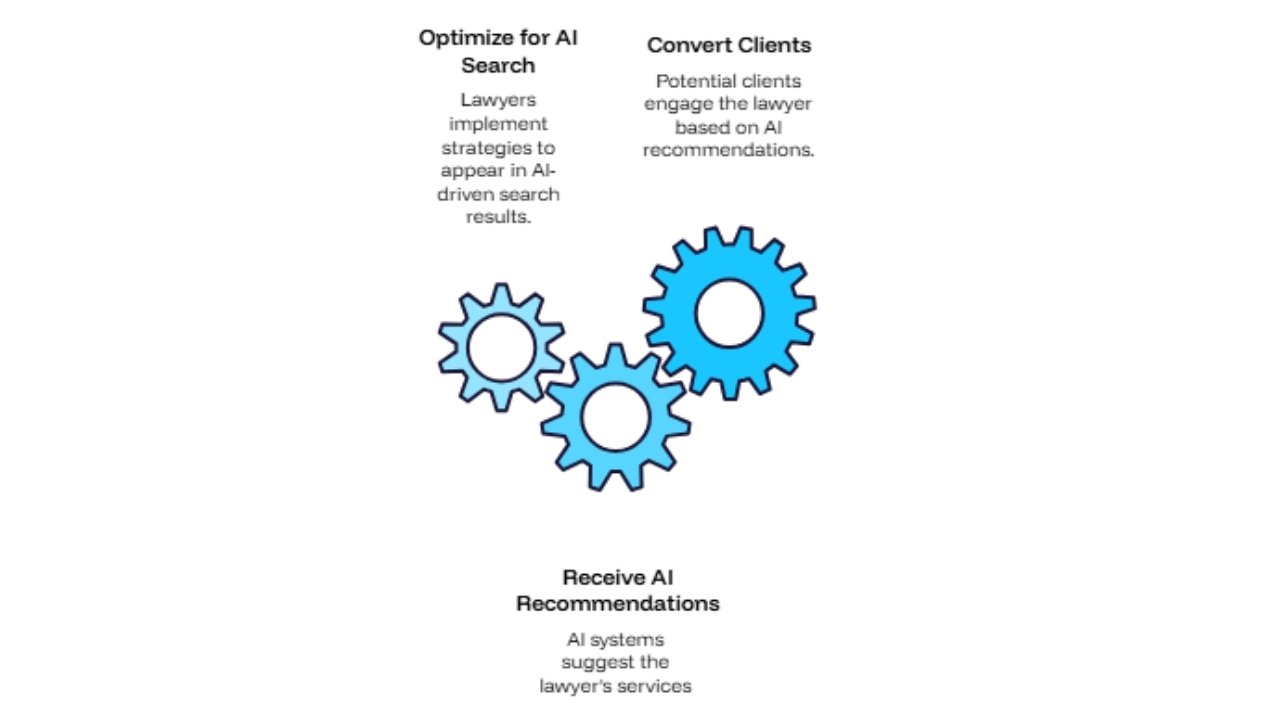
Understanding how to rank in AI search results is therefore no longer optional. It is a commercial necessity for any business that depends on digital visibility to generate leads, drive sales, or build brand authority.
How AI Search Engines Decide What to Recommend
Before you can optimise for AI visibility, it helps to understand how these systems work. AI language models are trained on vast datasets of text from the web. When a user asks a question, the model draws on that training data — and, increasingly, on real-time retrieval systems — to construct an answer.
The key factors that determine which sources get cited or recommended include:
- Topical authority: Does your website comprehensively cover a subject area?
- Content credibility: Are you cited by other reputable sources? Do you have expert authorship signals?
- Structured clarity: Is your content formatted in a way that machines can easily parse and extract?
- Entity recognition: Is your brand, product, or service clearly defined across the web?
- Freshness and accuracy: Is your information up to date and factually reliable?
These signals are meaningfully different from classic PageRank-style SEO, which prioritised backlinks and keyword density above most other factors. AI systems assess the entire body of your digital presence, not just individual pages.
How to Rank in AI Search Results: Core Optimisation Strategies
1. Build Topical Authority Through Structured Content
The most reliable strategy for how to rank in AI search results is to become the definitive source on topics relevant to your industry. This means creating clusters of content that cover a subject thoroughly — not just a single blog post, but a network of related pages that together demonstrate expertise.
Practical steps for Australian businesses:
- Identify 5 to 10 core topics central to your business and create a pillar page for each.
- Write supporting articles that answer specific questions users ask about those topics.
- Link pillar pages to supporting articles and vice versa to create a coherent content cluster.
- Include Australian-specific context, data, and examples to signal local relevance.
2. Optimise Content Structure for AI Parsing
AI systems extract information from content that is clearly structured and logically organised. Learning how to rank in AI search results means formatting your content for machine readability, not just human readability.
Key structural elements include:
- Clear H1, H2, and H3 headings that directly answer questions.
- Definition-style opening sentences that state clearly what a section is about.
- FAQ sections with direct question-and-answer formatting.
- Schema markup (especially FAQ, HowTo, Article, and LocalBusiness schemas).
- Concise, factual summaries at the start or end of key sections.
Research from Semrush’s 2024 State of Content Marketing report indicates that pages with structured schema markup are significantly more likely to be cited in AI-generated answers. This is particularly relevant in Australia, where AI Overviews have been rolling out within Google Search since mid-2024.
3. Strengthen Your Brand’s Digital Entity
AI platforms construct knowledge about entities — businesses, people, products, and places — from signals across the entire web. If your business appears consistently and accurately across directories, news mentions, social profiles, and third-party reviews, AI systems develop stronger confidence in recommending you.
To strengthen your entity footprint:
- Ensure your business name, address, and phone number (NAP) are consistent everywhere online.
- Claim and complete your Google Business Profile, Bing Places, and relevant Australian directories such as True Local, Yellow Pages AU, and Hotfrog.
- Build a Wikipedia or Wikidata presence if you are a recognised brand or professional.
- Generate positive reviews on Google, Trustpilot, and industry-specific platforms.
- Pursue media mentions and citations in Australian publications such as SmartCompany, Dynamic Business, and the Australian Financial Review.
4. Demonstrate Expertise, Authority, and Trustworthiness (E-E-A-T)
Google’s E-E-A-T framework — which stands for Experience, Expertise, Authoritativeness, and Trustworthiness — is a strong proxy for how AI systems evaluate credibility. When you work on how to rank in AI search results, building E-E-A-T is non-negotiable.
Action points:
- Add detailed author bios to all content, including qualifications and professional experience.
- Cite reputable sources and link to authoritative data within your content.
- Publish original research, case studies, or data specific to the Australian market.
- Display trust signals including ABN, professional memberships, and industry certifications.
5. Conduct an AI Visibility Audit
Before implementing changes, it is essential to understand your current AI visibility. An AI ranking audit from Get AI Ranks will show you exactly which AI platforms mention your business, how frequently, and in what context. Without this baseline data, any optimisation effort is working in the dark.
Your audit should assess:
- Whether your brand is cited in responses from ChatGPT, Gemini, Perplexity, and Copilot.
- Which competitors are being recommended in your category?
- What language and framing AI systems use when discussing your industry?
- Any incorrect or outdated information being surfaced about your business.
How to Rank in AI Search Results for Local Australian Markets
Local businesses face unique opportunities in AI search. When users ask AI tools for recommendations — such as “best accountant in Perth” or “plumber near me in Adelaide” — the AI draws on local business data, review platforms, and structured listings to generate an answer.
To improve local AI visibility:
- Optimise your Google Business Profile with complete services, categories, and up-to-date photos.
- Use localised keywords in your content, including suburb, city, and state names.
- Publish location-specific landing pages for each area you serve.
- Accumulate and respond to Google Reviews, as review sentiment is a key input for local AI recommendations.
Get AI Ranks provides dedicated AI recommendation optimisation services designed for the Australian market, helping local and national businesses improve how they appear across all major AI platforms.
Data-Driven Insights: What the Research Tells Us
The evidence base for AI search optimisation is growing rapidly. Here are key data points that should inform your strategy.
According to BrightEdge’s AI Search Research, AI Overviews appear in more than 84 per cent of queries in certain informational categories, such as health, finance, and technology. For businesses in these sectors, ranking in AI search results is now the most critical form of online visibility.
A study by Semrush on AI Overviews found that 47 per cent of AI Overview citations came from pages that did not rank in the top ten organic results. This means a website with strong topical authority and structured content can appear in AI recommendations even without traditional first-page Google rankings.
For further reading on how large language models process and retrieve information, see OpenAI’s published research, which provides technical background on how retrieval-augmented generation systems source and verify information.
Common Mistakes That Hurt Your AI Search Visibility
While building visibility, it is equally important to avoid practices that actively reduce your chances of being recommended by AI systems. The most common mistakes include:
Thin or duplicated content: AI systems deprioritise sources with shallow information or content that closely mirrors other sites.
Unverified or outdated claims: If your content contains factual errors or outdated statistics, AI platforms will lose confidence in your authority.
Inconsistent NAP data: Conflicting business details across the web create entity confusion that reduces your chances of being cited.
Over-reliance on keyword stuffing: AI systems are trained to detect unnatural language patterns. Writing for machines rather than humans will reduce, not improve, your AI visibility.
Frequently Asked Questions
1. How long does it take to rank in AI search results?
There is no fixed timeline, but most businesses begin to see measurable improvements in AI citation frequency within three to six months of implementing a structured content and entity-building strategy. AI platforms update their knowledge at varying intervals, so consistency and patience are key.
2. Is traditional SEO still relevant alongside AI search optimisation?
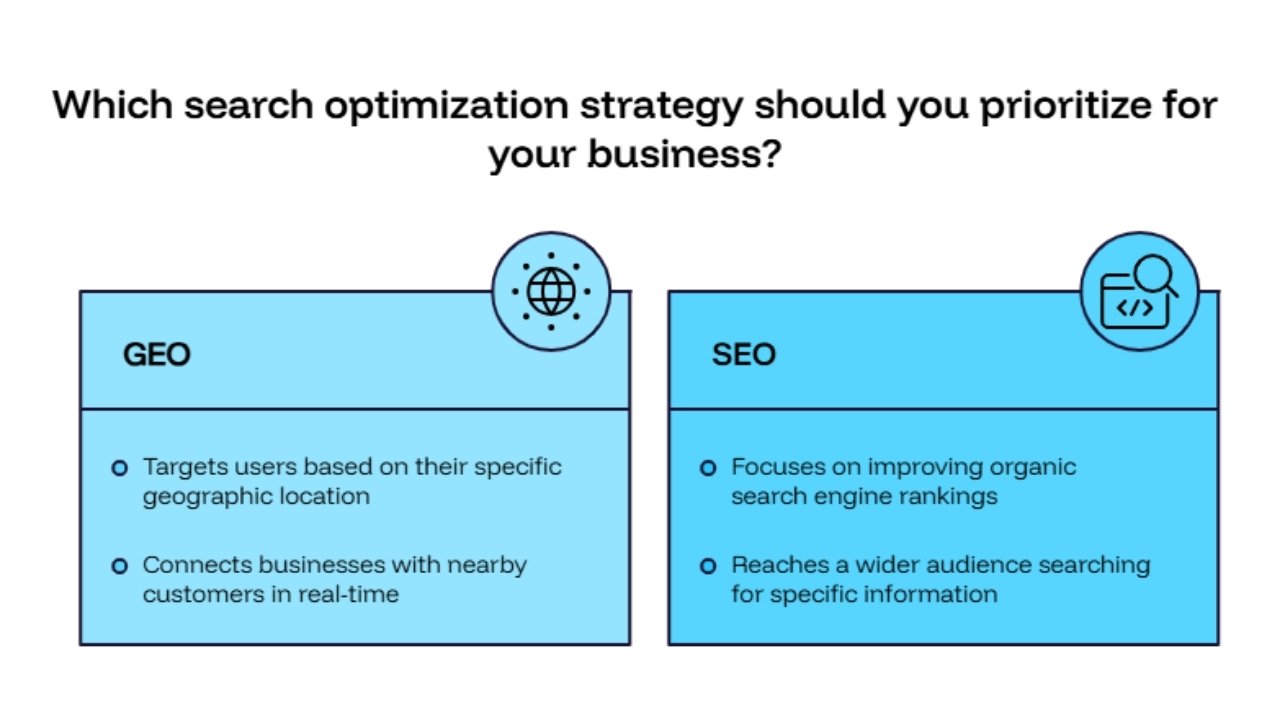
Yes. Traditional SEO and AI search optimisation are complementary. Strong organic rankings increase the likelihood that AI systems will treat your content as authoritative. However, AI visibility requires additional focus on structured content, entity signals, and topical depth that traditional SEO alone does not address.
3. Do Australian businesses need a different strategy from global businesses?
Partially. The core principles of how to rank in AI search results are universal. However, Australian businesses benefit from prioritising local entity signals such as Australian directories, .com.au domain authority, and Australian media citations, which are weighted heavily in locally-targeted AI responses.
4. Which AI platforms should I prioritise for optimisation?
In Australia in 2026, the highest-priority AI platforms are Google’s AI Overviews (given Google’s dominant market share), followed by Microsoft Copilot (integrated into Windows and Office 365, widely used by businesses), ChatGPT, and Perplexity. A well-executed strategy improves visibility across all of these simultaneously.
5. How can I measure my current AI search visibility?
The most direct way is through a dedicated AI visibility analysis that tests how your brand appears across all major AI platforms in response to your key search queries. Manual testing typing relevant questions into ChatGPT, Gemini, and Perplexity, can give initial insights, but a systematic audit provides actionable data.
Taking Action on AI Search in 2026
Understanding how to rank in AI search results is the defining digital marketing challenge for Australian businesses in 2026. The businesses that invest now in topical authority, structured content, entity consistency, and E-E-A-T signals will gain a durable competitive advantage as AI-driven search continues to reshape how consumers find and evaluate products and services.
How to rank in AI search results is not a one-time task; it is an ongoing commitment to building a credible, well-structured, and authoritative digital presence. The good news is that the effort compounds over time. Each piece of high-quality, well-structured content you publish, and each entity signal you strengthen increases your probability of being cited and recommended by AI platforms.
Start by knowing where you stand. Then build systematically toward the visibility your business deserves.