For most of the last two decades, Google has been the undisputed gateway to online discovery. Australian businesses have invested thousands of dollars and countless hours into search engine optimisation, chasing page-one rankings and organic traffic. But the digital landscape has shifted dramatically, and the question every smart marketer and business owner in Australia must ask today is: Is Google SEO enough in 2026?
The answer, backed by data and the rapid rise of AI-powered search tools, is increasingly clear: no, it is not. Traditional Google SEO is still important, but it is no longer sufficient on its own. Tools such as ChatGPT, Perplexity AI, Google Gemini, Microsoft Copilot, and Apple Intelligence are now answering user queries directly, often without sending the user to your website at all. If your business is not optimised for these AI platforms, you are invisible to a rapidly growing segment of your audience.
This article explains what is changing, why it matters specifically to businesses operating in Australia, and what you can do right now to secure your visibility across both traditional and AI-driven search.
Is Google SEO Enough in 2026? Understanding the New Search Reality
Google still processes an estimated 8.5 billion searches per day globally, and it remains the dominant search engine in Australia. However, the way people search is changing at an unprecedented pace.
According to research from Gartner, traditional search engine volume is expected to fall by 25 per cent by 2026 as AI chatbots and virtual agents take over search tasks. In Australia, this transition is already underway. A growing number of Australians now turn to ChatGPT, Perplexity, and Gemini for research, product comparisons, service recommendations, and local business queries.
So when we ask if Google SEO is enough in 2026, we are really asking whether a strategy built entirely around a single platform can protect your business as user behaviour evolves. The evidence strongly suggests it cannot.
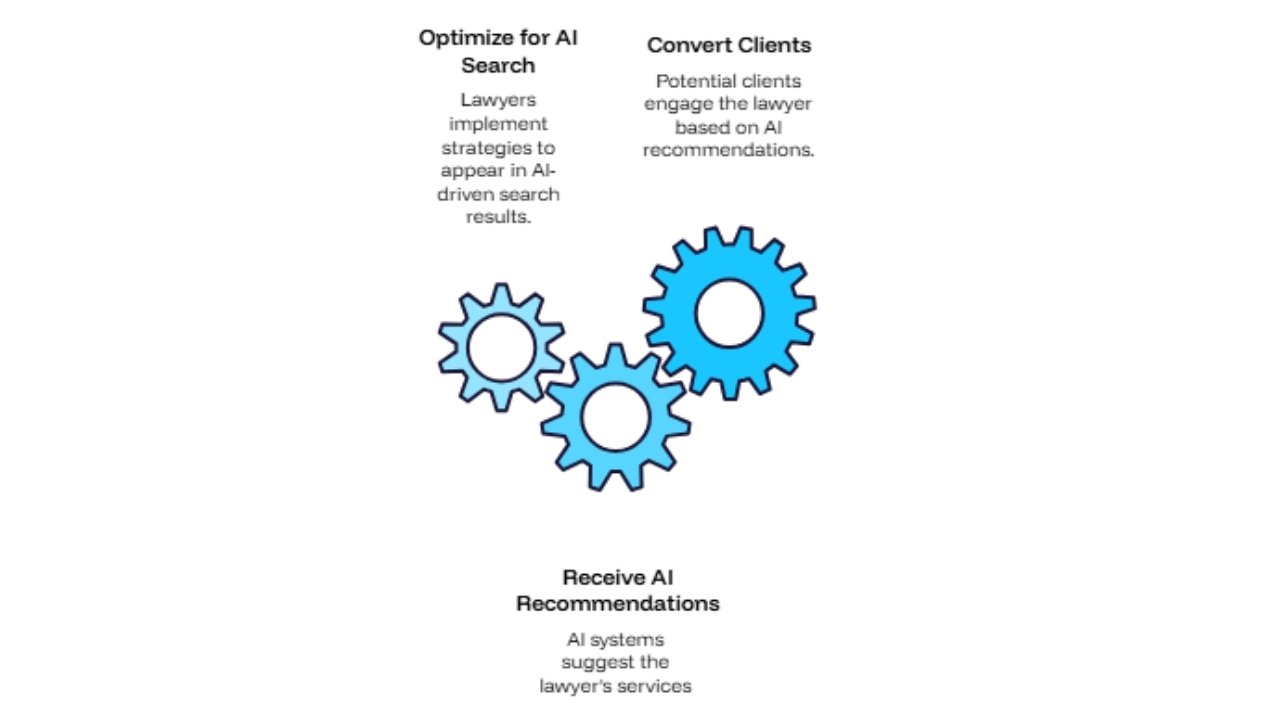
The core problem is this: AI search engines do not simply rank web pages. They read, interpret, and synthesise information from multiple sources to deliver a single, direct answer. If your business is not among the authoritative sources that AI platforms trust, you will not be recommended, regardless of how well you rank in Google.
How AI Search Engines Work and Why It Changes Everything
To understand whether Google SEO is enough in 2026 is the wrong question for many businesses; you first need to understand how AI search works.
Traditional Google SEO focuses on signals like keywords, backlinks, site speed, and structured data to earn rankings on a results page. AI search operates differently. Platforms like ChatGPT with Browse, Perplexity, and Google’s AI Overviews use large language models (LLMs) to read and understand content at a deeper level. They look for:
- Topical authority: Does your website demonstrate deep, consistent expertise on a subject?
- Trustworthiness: Are you cited, referenced, and mentioned by reputable sources?
- Structured and clear content: Is your information presented in a way that AI can extract and summarise accurately?
- Entity recognition: Does Google and the broader web recognise your business as a real, established entity?
- Brand mentions: Is your brand discussed across forums, review platforms, and industry publications?
A business can rank on page one of Google and still be completely absent from AI-generated answers. This is the gap that many Australian businesses have not yet addressed.
To understand where your business currently stands in AI search, consider running a professional AI ranking audit to identify the gaps in your current digital strategy.
Is Google SEO Enough in 2026 for Australian Businesses? The Local Stakes
Australia has some unique characteristics that make the AI search transition particularly significant.
Australian consumers are among the highest adopters of digital technology in the Asia-Pacific region. Smartphone penetration is above 90 per cent, and voice search usage continues to grow. Voice search queries are almost always answered by AI systems, not a list of links. If you are a local business in Sydney, Melbourne, Brisbane, or any regional area, and a potential customer asks their phone to recommend an accountant, plumber, or marketing agency near them, the AI response is your new front door.
Additionally, Australian e-commerce has grown to a multi-billion-dollar industry. Consumers researching products now frequently ask AI tools for comparisons and recommendations before making purchase decisions. Businesses that appear in those AI-generated answers gain a significant competitive advantage over those that do not.
This is precisely why the question is Google SEO enough in 2026 is so urgent for Australian marketers. The businesses that adapt now will own AI search visibility. Those who wait will find themselves locked out of a channel that will only become more dominant.
The Difference Between Traditional SEO and AI Search Optimisation
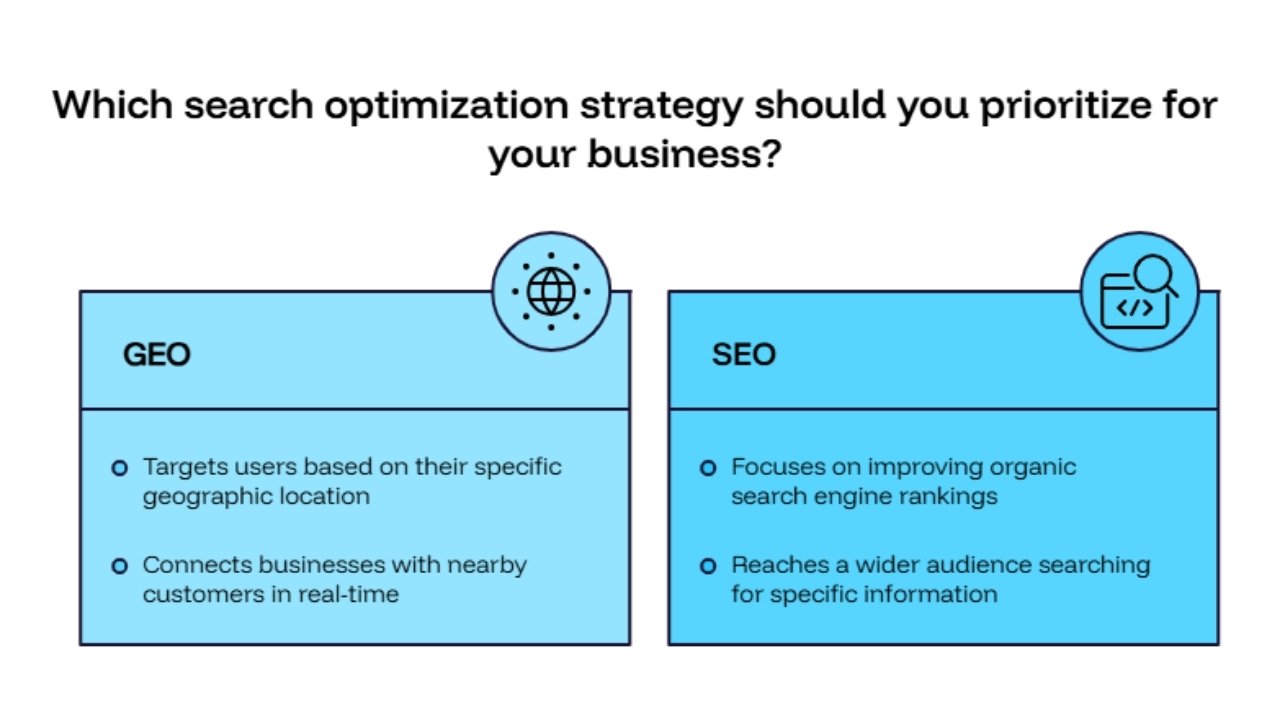
Traditional Google SEO Focuses On:
- Keyword research and on-page optimisation
- Building backlinks from authoritative domains
- Technical site health: speed, crawlability, Core Web Vitals
- Local SEO through Google Business Profile
- Content structured around search intent
AI Search Optimisation Focuses On:
- Building topical authority across a subject area
- Creating content that is structured for AI extraction (clear answers, FAQs, definitions)
- Earning brand mentions and citations across the web
- Ensuring your business is accurately represented in knowledge graphs
- Optimising for conversational queries and natural language questions
- Generating reviews and structured social proof that AI systems can read
The two approaches are not mutually exclusive. The strongest digital strategies in 2026 combine both. However, businesses that rely exclusively on traditional Google SEO are leaving a significant portion of AI-driven discovery on the table.
Practical Steps Australian Businesses Can Take Right Now
If you have been asking yourself if Google SEO is enough in 2026 and are ready to take action, the following steps will help you begin building AI search visibility:
- Audit your current AI visibility. Search for your business name, products, and services in ChatGPT, Perplexity, and Google Gemini. Note what appears and what is missing. Use a professional AI visibility analysis to get a comprehensive picture.
- Build topical authority through content clusters. Create in-depth, interlinked content around your core topics. AI platforms favour businesses that demonstrate expertise across an entire subject, not just individual keywords.
- Structure your content for AI extraction. Use clear headings, concise answers, FAQ sections, and well-labelled structured data (schema markup). AI systems prefer content that answers questions directly.
- Earn third-party citations and mentions. Contribute to industry publications, earn coverage in Australian media outlets, and participate in relevant online communities. AI platforms weigh external validation heavily.
- Strengthen your Google Business Profile and review presence. Reviews and business data from Google, Yelp, and industry directories feed into AI responses for local queries.
- Monitor your brand entity. Ensure your business information is consistent, accurate, and present across Wikidata, LinkedIn, Crunchbase, and relevant Australian directories.
Is Google SEO Enough in 2026 if You Already Have Strong Rankings?
This is a common question from businesses that have invested heavily in Google SEO and are seeing strong results. The honest answer is that strong Google rankings still provide significant value. Google’s own AI Overview feature draws heavily from pages that already rank well organically. A well-optimised, authoritative website is a strong foundation for AI visibility.
However, strong Google rankings do not automatically translate to AI recommendations. The selection criteria are different. A page can rank number one in Google and still be overlooked by ChatGPT or Perplexity if it lacks the structured authority signals those systems are looking for.
Think of it this way: Google SEO gets you to the shelf. AI search optimisation determines whether the AI assistant recommends your product to the customer. Both matter, but they require different strategies.
A tailored AI recommendation optimisation strategy built alongside your existing SEO work will ensure your business captures visibility across both traditional and AI-powered search channels.
What the Research and Industry Experts Are Saying
The evidence supporting a dual-channel approach is growing rapidly:
- Gartner’s 2024 report on search trends projected that AI chatbots would handle more than 25 per cent of search queries by 2026, directly reducing traffic routed through traditional search engines. Read the full analysis at Gartner Research.
- BrightEdge, a leading SEO research platform, has documented that AI Overviews now appear in more than 50 per cent of Google searches in competitive industries, significantly reducing click-through rates to organic results. View the data at BrightEdge AI Search Research.
- Search Engine Journal has published multiple studies showing that brand mentions, structured content, and topical authority are the primary factors driving inclusion in AI-generated answers. Explore their findings at Search Engine Journal.
The direction is clear. The businesses that will thrive are those that treat AI search optimisation as a strategic priority, not an afterthought.
Frequently Asked Questions
1. Is Google SEO enough in 2026 for a small Australian business?
For most small businesses, Google SEO remains important but is no longer sufficient on its own. As AI tools become the default way many Australians search for products and services, businesses that are not visible in AI-generated answers will miss an increasing share of potential customers. Even a basic AI visibility strategy can make a meaningful difference for a small business operating in a competitive local market.
2. How is AI search different from regular Google search?
A regular Google search returns a list of links ranked by relevance. AI search tools like ChatGPT, Perplexity, and Google Gemini generate a direct, conversational answer synthesised from multiple sources. The user may never see a list of websites at all. This means businesses need to be the source that AI tools draw from, not just a result that a user might click on.
3. Will investing in Google SEO hurt my AI search visibility?
No. A strong SEO foundation, including well-structured content, fast page speeds, authoritative backlinks, and consistent business information, supports AI visibility as well. The key is to layer AI-specific strategies on top of your existing SEO investment rather than replacing one with the other.
4. How quickly can a business improve its AI search visibility?
Improvements in AI visibility can begin to appear within weeks for some changes, such as adding structured FAQ content, improving schema markup, and earning new brand citations. Broader authority-building through content and third-party mentions is a longer-term investment that compounds over months. Starting now gives Australian businesses a meaningful head start over competitors who are still asking, is Google SEO enough in 2026.
5. How can I find out if my business is currently visible in AI search?
The most thorough approach is a professional AI search audit. You can begin by manually searching for your business name, product categories, and common customer questions in ChatGPT, Perplexity, Google Gemini, and Microsoft Copilot. Note whether your brand appears in the answers, and whether the information provided is accurate. A structured AI visibility audit will give you a detailed gap analysis and a prioritised action plan.
Is Google SEO Enough in 2026? Not on Its Own
Is Google SEO enough in 2026? The evidence is definitive: not for Australian businesses that want to remain competitive. Google search remains a vital channel, and a strong SEO foundation is still essential. But the rise of AI-powered search tools has fundamentally changed the way people discover businesses, products, and services online.
Australian businesses that act now to build AI search visibility will secure a powerful advantage in a landscape that is only going to become more AI-driven. Those who wait, assuming their current Google rankings are sufficient, risk being invisible to an audience that is already searching differently.
The smartest move you can make today is to understand exactly where you stand. Start with a professional review of your current digital presence across both Google and the AI search platforms that are reshaping discovery in Australia.