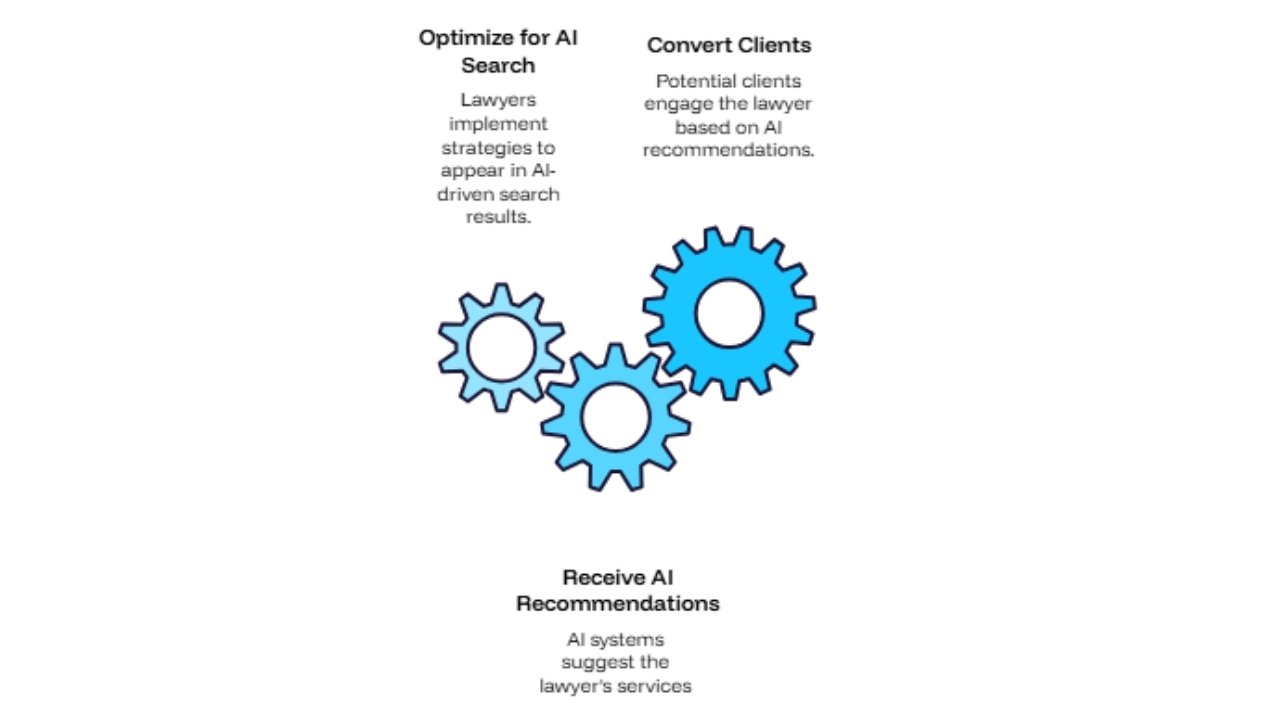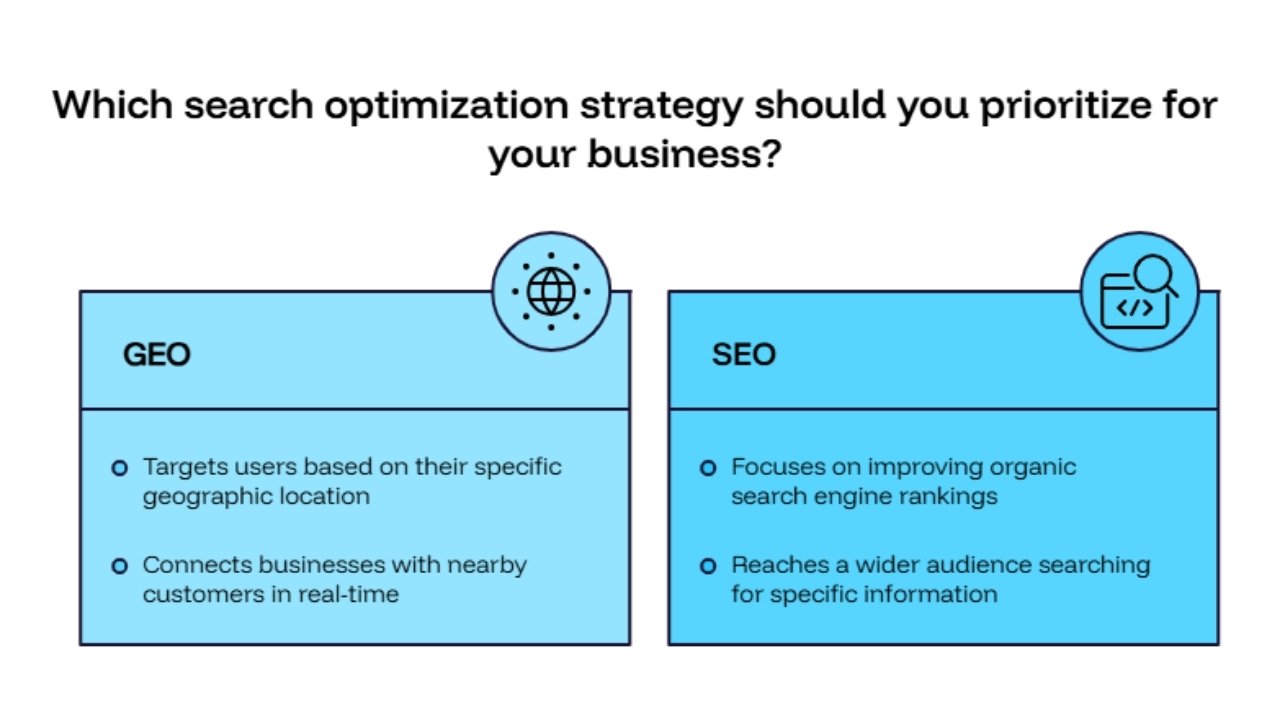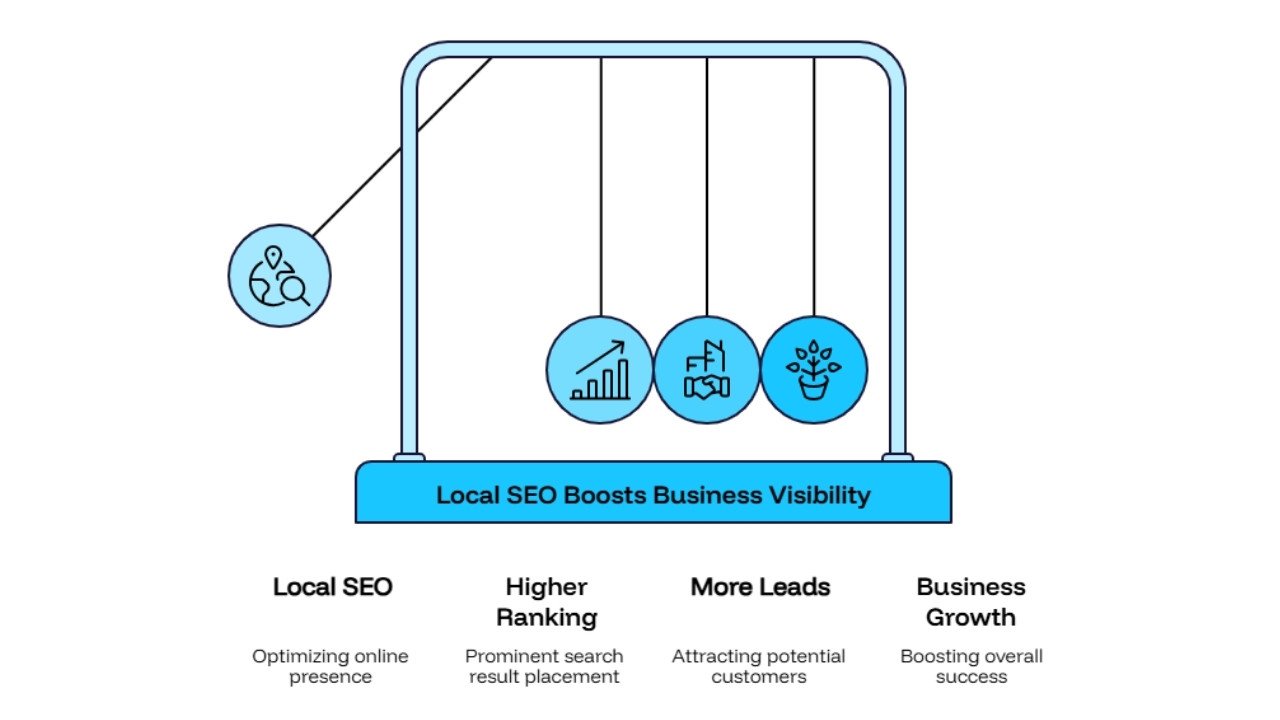
If you run a local business, the last few years have probably felt like the ground keeps shifting beneath you. First it was Google Maps. Then it was reviewed. Then mobile-first. Now there is AI search, and everyone keeps telling you it changes everything.
Here is the thing — it does change things. But not in a way that should scare you. In fact, for local businesses willing to do a few things consistently and correctly, the rise of AI search is genuinely good news.
Let me explain why, and more importantly, what to actually do about it.
Why AI Search Is an Opportunity for Local Businesses
When someone asks an AI assistant “who is the best plumber near me” or “find me a physiotherapist in [city name] who works with athletes,” the AI has to get that information from somewhere. It cannot make it up.
It pulls from your Google Business Profile. From your website, your reviews, local directories, local news coverage, and what other people have said about you online.
That means local businesses that have invested in building a clear, consistent, credible digital presence — even a modest one — have a genuine shot at appearing in AI-generated local answers. You do not need to be a national brand with a massive marketing budget. You need to be trustworthy and findable at the local level.
That is a competition most local businesses can actually win.
Start With Your Google Business Profile — and Treat It Seriously
Your Google Business Profile (GBP) is the single most important piece of local digital real estate you own. In the age of AI search, it matters even more than it used to.
AI tools, including Google’s own AI Overviews, pull directly from GBP data when generating local answers. If your profile is incomplete, outdated, or neglected, you are handing the opportunity to your competitor down the road.
Here is what a well-optimised GBP looks like in 2026:
Every field completed. Business name, address, phone number, website, hours, holiday hours, service area, categories, business description — all of it filled in accurately. Do not leave any section blank if you can help it.
Primary and secondary categories chosen carefully. Your primary category is especially important because it tells Google (and AI systems) exactly what kind of business you are. If you are a dentist who specialises in cosmetic work, “Cosmetic Dentist” should be your primary category, not just “Dentist.”
Services and products listed. Most local businesses skip this step. Do not. Listing your specific services — with descriptions — gives AI systems the context they need to match you with relevant queries.
Regular posts. Treat your GBP like a mini social media account. Post updates about offers, events, new services, or helpful tips at least a couple of times per month. This activity signals to Google that the business is active and engaged.
Q&A section managed. People ask questions on GBP profiles all the time. Answer them promptly and thoroughly. These questions and answers are indexed by Google and can appear in AI-generated responses.
Reviews Are Not Optional — They Are Infrastructure
Reviews have always mattered for local SEO. In the AI search era, they are infrastructure.
When an AI system is deciding whether to recommend your business, reviews are one of the strongest trust signals it has. A business with dozens of detailed, recent positive reviews from real customers looks very different to an AI — and to a potential customer — than a business with three reviews from four years ago.
The volume, recency, and content of your reviews all matter.
Ask for reviews consistently. This is the part most businesses get wrong. They hope customers will leave reviews on their own. Some will. Most will not, unless you ask. Build a simple process — send a follow-up text or email after a job is complete, include a QR code on your receipt or invoice, train your team to mention it in person. Consistent asking produces consistent reviews.
Respond to every review. Responding to positive reviews shows you are engaged and appreciate your customers. Responding professionally to negative reviews demonstrates that you take service seriously. Both of these behaviours are visible to AI systems and to prospective customers who are evaluating you.
The content of reviews matters. When customers mention specific services, locations, or outcomes in their reviews (“the team fixed our boiler quickly and professionally, we are in the Thornton Heath area”), those mentions help AI systems understand what you do and where you serve. You cannot control what people write, but you can encourage them to be specific when you ask.
Your Website Still Matters — Just Differently
Some local businesses have started thinking that if they have a good GBP, they do not really need a website. This is a mistake.
Your website is what gives your business depth. It is where AI systems go to understand what you actually do, who you serve, and why someone should trust you. A well-structured local business website that clearly explains your services, your location, your expertise, and your story is a meaningful advantage.
A few things to get right on your website in 2026:
A clear, locally-optimised homepage. Your homepage should state clearly what you do and where you do it. “We are a family-run electrical services company serving the North London area” is far better than a generic tagline that could apply to any business anywhere.
Individual service pages. If you offer multiple services, give each one its own page. An HVAC company should have separate pages for installation, repair, servicing, and emergency callouts — not one page that lumps everything together. AI systems can match individual service pages to individual queries much more precisely.
Location pages if you serve multiple areas. If you serve customers across several towns or boroughs, a location page for each area — with locally relevant content, not just the same template with the city name swapped in — can significantly improve your visibility in those areas.
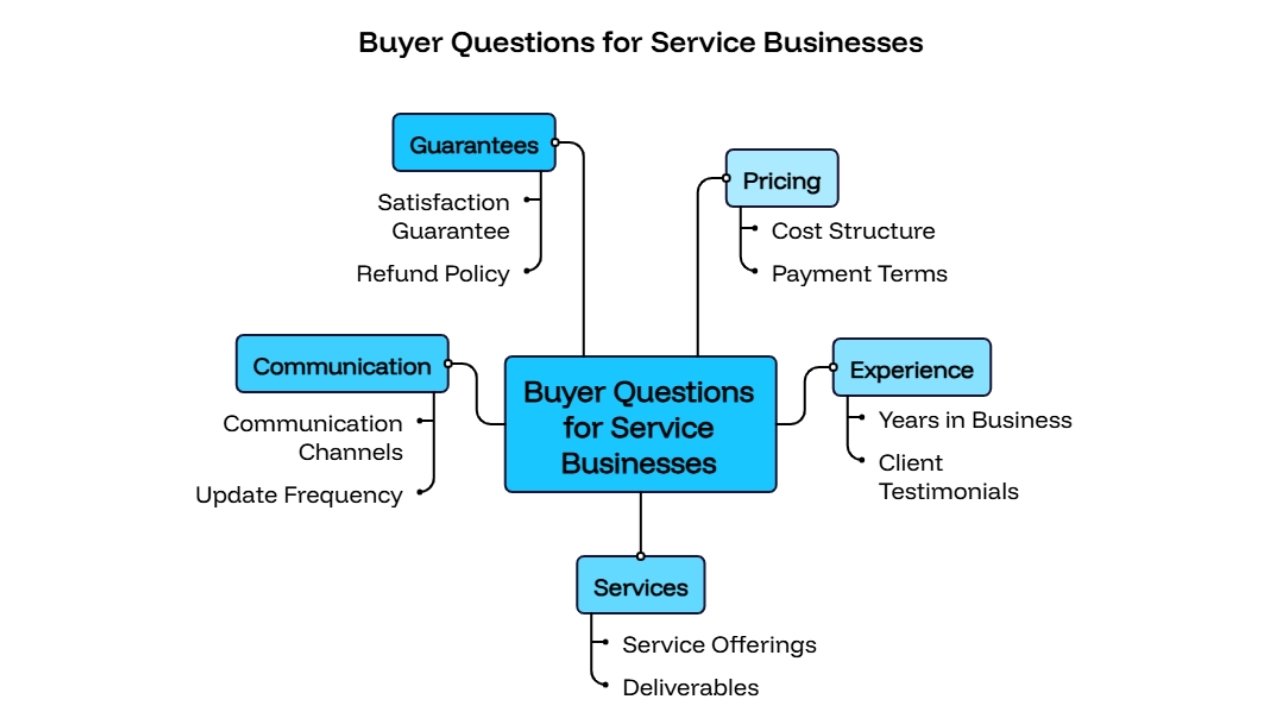
FAQs that reflect real customer questions. What do customers ask you on the phone? What questions come up in consultations? Answer those on your website. These conversational questions are exactly what people are typing into AI search tools, and your answers become candidates for AI-generated responses.
Clear contact information, everywhere. Your phone number, address, and email should appear on every page, ideally in the header and footer. Consistency is key — your NAP (Name, Address, Phone) should be identical everywhere it appears online.
Local Citations and Directory Listings Still Pull Weight
A local citation is simply a mention of your business name, address, and phone number on another website. Local directories, industry-specific platforms, and community websites all count.
In the AI search era, citations still matter because they are one of the ways AI systems verify that your business is legitimate and that your information is accurate. When Google’s AI checks whether your business is real and trustworthy, it looks at how consistently your information appears across multiple sources.
Make sure you are listed — and listed accurately — on the major platforms: Google, Bing Places, Apple Maps, Yelp, Trustpilot, and any industry-specific directories relevant to your sector. If your address or phone number has changed at any point, go through your citations and update them. Inconsistent information across platforms is one of the most common and damaging local SEO mistakes.
Local Content That Serves the Community
One of the best-kept secrets of local SEO — and it is becoming more valuable in the AI era — is community-focused content.
When you write about things that are genuinely relevant to your local area, you attract local attention. A landscaping company writing about “the best plants for North Wales gardens” or “how to prepare your garden for a Welsh winter” is not just showing gardening expertise — they are signalling local relevance to every system, human and AI alike, that reads that content.
This kind of content also tends to attract local links and mentions naturally. A local news site might cover it, local Facebook group might share it, and local community organisation might link to it. All of those signals compound over time into genuine local authority.
You do not need to publish daily. A consistent cadence — even once a month — of genuinely helpful, locally-relevant content builds something that is very hard for a competitor to replicate quickly.
How AI Assistants Are Changing the Lead Journey
Something worth understanding about AI search and local leads is that the journey is often different from what you might expect.
When someone uses a voice assistant or AI chatbot to find a local service, they are often in a higher-intent state than someone casually browsing Google. They are ready to act. They want a recommendation, not a list of options to evaluate.
That means appearing in an AI-generated local answer carries a different quality of lead than appearing on page two of a traditional search. The person who asked the AI and got your name recommended is often much closer to picking up the phone than the person who clicked a search result and is still comparing options.
This is worth keeping in mind when you think about the return on effort for local AI search optimization. The leads may be fewer than what you would get from a top traditional ranking, but they can be warmer.
A Simple Action Plan to Get Started
If you are a local business owner reading this and you want to start improving your AI search visibility, here is where to focus your energy:
First, audit your Google Business Profile. Pretend you are a customer who has never heard of your business. Does the profile tell a complete, clear, trustworthy story? Fill in everything that is missing.
Second, set up a process for collecting reviews. Even a simple follow-up message asking satisfied customers to share their experience can make a meaningful difference over a few months.
Third, review your website for local clarity. Is it immediately obvious what you do and where you are based? Are your services clearly described? Do you have an FAQ section?
Fourth, check your citations for consistency. Run a quick check to see whether your business name, address, and phone number appear the same way everywhere.
Fifth, plan one piece of locally-relevant content per month. Answer a question your customers commonly ask, or write about something specific to your area or community.
None of this is complicated. Most of it is just consistent, sustained effort applied in the right places. And in a world where AI search is increasingly doing the recommending, being consistently trustworthy is the most reliable route to being consistently recommended.
The Local Advantage
Here is the part I genuinely believe: local businesses are in a better position to win at AI search than many people realise.
Large national brands have broad visibility but shallow local trust. AI systems are trying to match people with the best answer for their specific situation — and for local queries, that often means a business with genuine roots in the community, with reviews from real local customers, and with content that reflects real local knowledge.
That is something you can have. And if you build it consistently, it becomes one of the most durable competitive advantages a local business can own.
Published by GetAIRanks.com — Helping businesses get found in the age of AI search.