If you run a local business in Australia, you have probably noticed that the way people search for things nearby has shifted. A few years ago, someone looking for a plumber in Parramatta or a cafe in Fitzroy would type a few words into Google and scroll through the results. Today, a big chunk of those searches are happening inside AI-powered local SEO, AI-powered tools, voice assistants, and search engines that generate answers on the page before someone ever clicks a link.
This is not a future prediction. It is happening right now, and local Australian businesses that understand this shift are the ones showing up consistently while their competitors scratch their heads wondering why enquiries have slowed down.
Let me walk you through what AI-powered local SEO actually looks like in 2026 and what it means for your business specifically.
What Has Actually Changed in Local Search
Traditional local SEO was fairly predictable. You claimed your Google Business Profile, built some citations on directories like True Local or Yellow Pages, got a few reviews, and if your website had decent on-page signals you would rank in the local map pack.
That still matters. But here is what has changed:
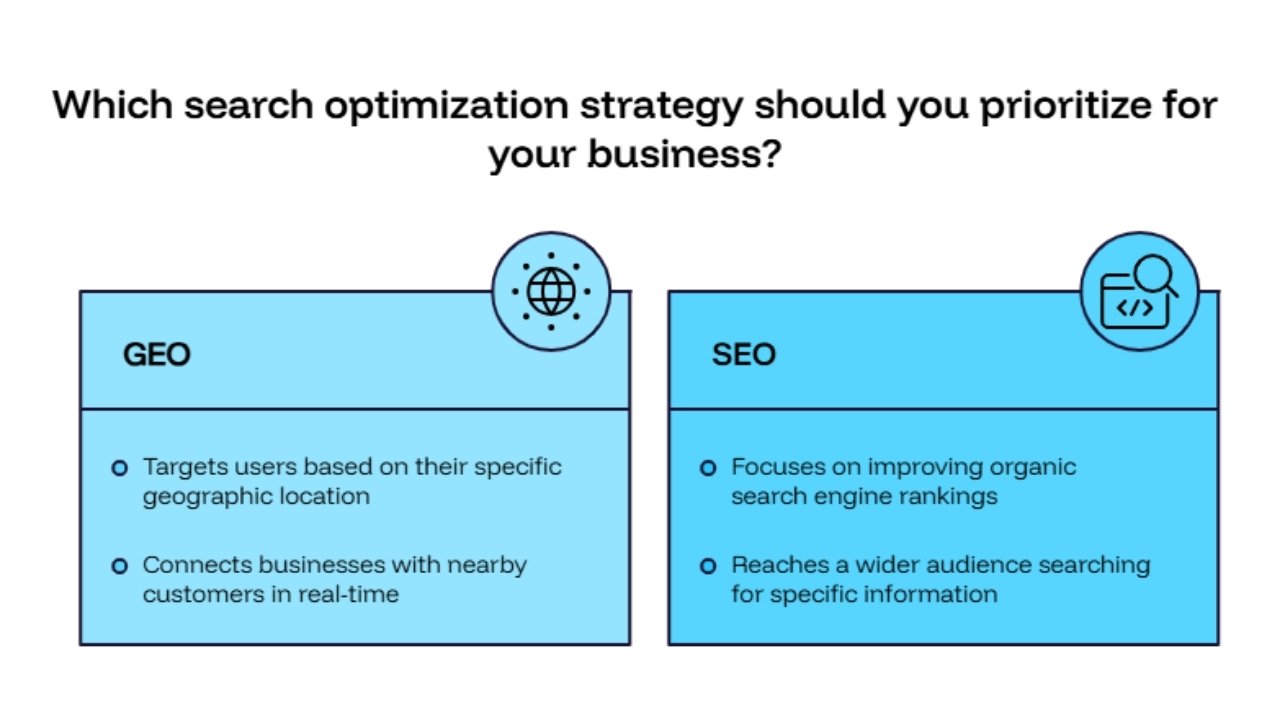
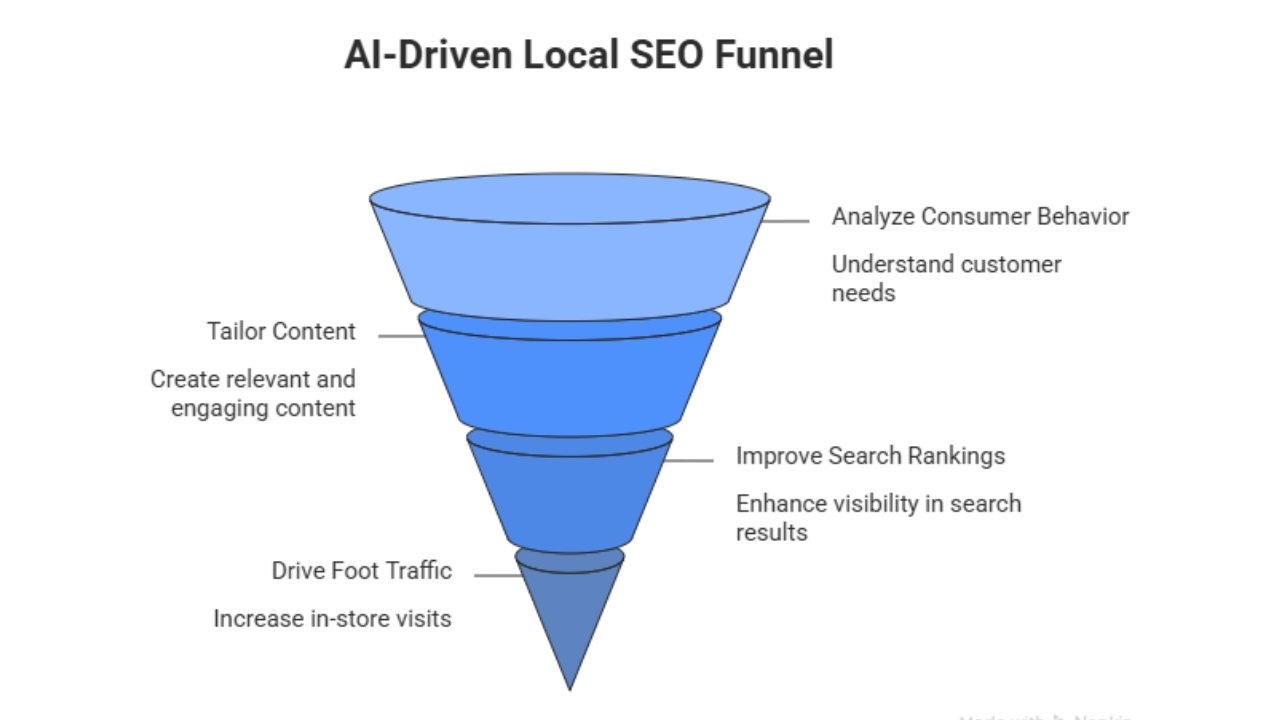
Search engines, especially Google, are now using AI to understand why someone is searching, not just what they typed. When someone in Brisbane searches “best physiotherapist near me open Saturday,” Google is not just matching keywords anymore. It is trying to understand intent, cross-referencing your website content, your reviews, your Google Business Profile, your social signals, and dozens of other factors to decide whether your business is genuinely the best answer to that question.
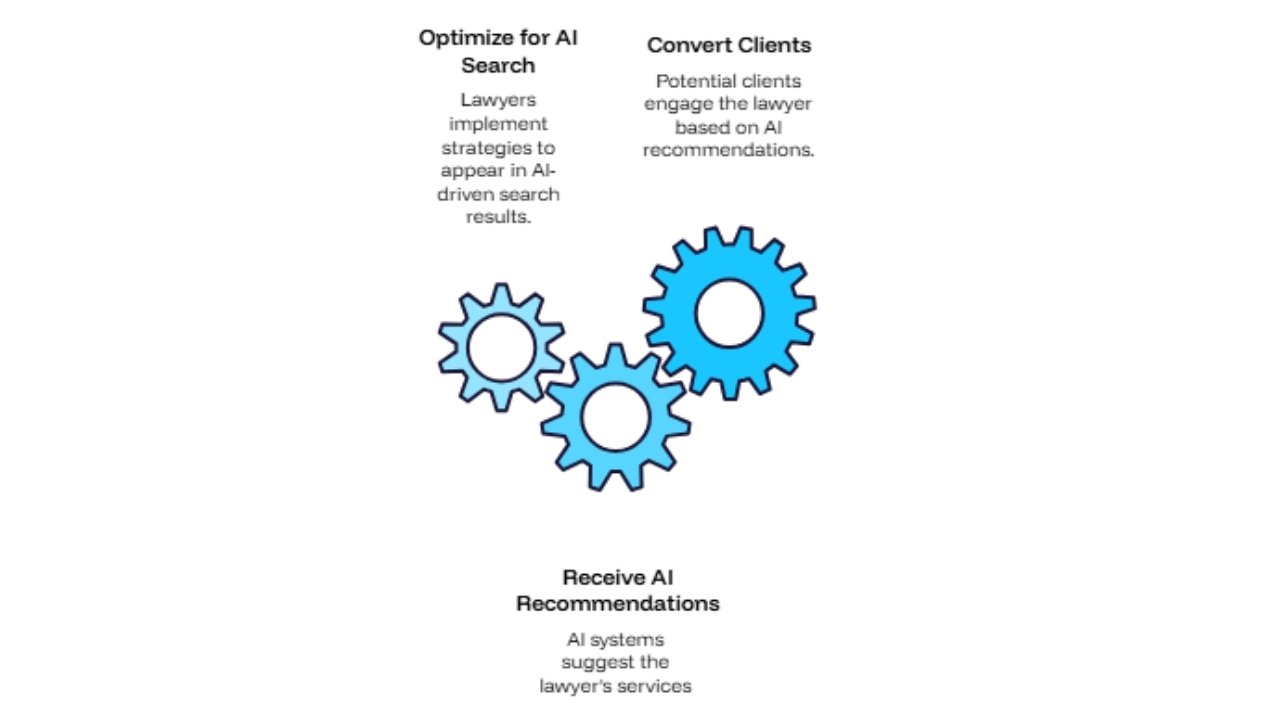
On top of that, AI answer engines like Google’s AI Overviews, ChatGPT, Perplexity, and similar tools are now directly recommending local businesses within AI-powered local SEO without showing a traditional list of blue links. If your business is not set up to be referenced and trusted by these systems, you are invisible to a growing segment of your potential customers.
Why Local Businesses in Australia Face a Unique Set of Challenges
Australia’s local search landscape has a few characteristics worth understanding.
First, the competition within suburbs and cities is often tighter than people expect. Especially in high-demand categories like trades, healthcare, legal services, and hospitality, there are multiple strong competitors all targeting the same postcode or suburb cluster. In this environment, the difference between ranking and not ranking often comes down to trust signals rather than raw keyword volume.
Second, Australian consumers are increasingly using voice search. Someone driving through the Gold Coast asking their phone to find a mechanic open now expects an immediate, precise answer. Voice results are almost entirely pulled from businesses with complete, well-maintained local profiles and strong review ecosystems.
Third, the “near me” search behaviour in Australia has expanded beyond just location. People search for businesses near specific landmarks, train stations, shopping centres, and even specific streets. Your local SEO needs to reflect the way real Australians describe location, not just suburb names and postcodes.
The Role of Your Google Business Profile in 2026
Your Google Business Profile is still the single most important asset for local search visibility. But how you manage it has evolved significantly.
In the past, filling in your address, phone number, and hours was enough to be competitive. Today, your profile needs to behave like a living document.
What this means practically:
Your business description should speak directly to the problems your customers are trying to solve, not just describe what you do. If you run an accounting firm in Melbourne, your description should reflect the language your clients use when they are worried about tax time or trying to understand their obligations as a small business owner.
Your posts, photos, and updates need to be consistent. AI systems that power local recommendations look at activity signals. A profile that was last updated eighteen months ago sends a signal of stagnation, even if your business is thriving.
The Q&A section of your profile is underutilised by most Australian businesses. This is a place where you can directly answer the questions that your customers are already asking, and it feeds directly into voice search responses and AI-generated answers.
Reviews, both in terms of quantity and how you respond to them, are weighted heavily. Responding to reviews is not just good customer service. It is a trust signal that influences how Google’s systems evaluate your business as a legitimate, active, community-embedded operation.
How AI Systems Decide Which Local Business to Recommend
When someone uses an AI tool to find a local business, the system is pulling information from multiple sources and weighing them against each other. Understanding this helps you structure your online presence effectively.
Consistency of information across the web
If your business name, address, and phone number appear differently across different directories, your website, and your Google profile, AI systems treat this as a red flag. Consistency is a basic trust signal that tells these systems your information is reliable.
Depth of content on your website
AI systems now evaluate whether your website genuinely addresses the needs of your local audience or whether it is a thin brochure site with generic content. A plumbing business in Perth that has a page specifically about blocked drain issues common in older Perth homes, written with genuine local knowledge, is more likely to be referenced by an AI tool than one with a generic service page.
Authority signals from third parties
Mentions of your business in local news outlets, community websites, industry associations, and relevant directories contribute to how authoritative your business appears to AI systems. This is the local equivalent of traditional backlinks, but it extends beyond just links to include unlinked mentions and structured data.
Your business’s expertise signals
When your website content demonstrates genuine expertise, whether through detailed service explanations, answers to common customer questions, or locally relevant guides, it positions your business as the most trustworthy answer. This is not about tricking a system. It is about being genuinely useful and making sure that usefulness is visible online.
Local Content That Actually Works in 2026
One of the most misunderstood aspects of local SEO is what “local content” actually means. It does not mean stuffing suburb names into existing pages. It means creating content that serves people at the specific point in their journey where they are making local decisions.
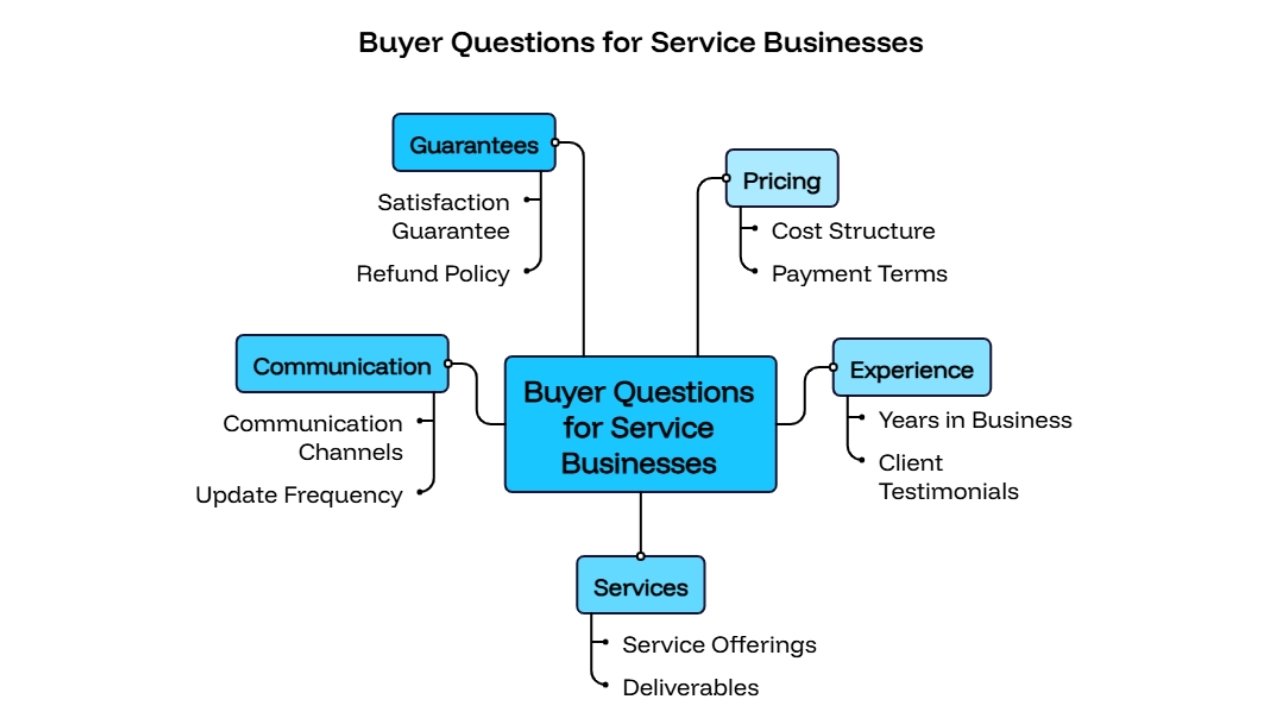
Think about the questions your customers ask before they call you. A dentist in Canberra knows their patients ask things like:
- Is this procedure covered by Medicare?
- What is the parking situation near the clinic?
- How long does this procedure actually take?
- Will I need someone to drive me home?
A dentist who answers these questions clearly on their website is not just being helpful. They are building the kind of content that AI systems treat as genuinely authoritative responses to locally-relevant queries.
For Australian businesses specifically, it is worth thinking about:
Seasonal and regional relevance. A pool cleaning business in Queensland has a different peak season to one in Victoria. Content that reflects this reality demonstrates local knowledge that resonates with both users and AI systems.
Neighbourhood-level specificity. Rather than one generic page for your entire service area, consider building pages or content that speaks to specific suburbs or regions with local knowledge woven in naturally. Not keyword stuffed. Actually locally informed.
Common local concerns. What are the regulations or considerations specific to your industry in your state? A building contractor who explains the difference between Victorian building permits and Queensland approval processes is demonstrating exactly the kind of expertise that earns trust.
Structured Data and Why It Matters More Than Ever
Structured data is the technical way of helping search engines and AI systems understand exactly what your business does, where you are, when you are open, and what you offer. It is information embedded in your website’s code that is not visible to readers but is read by machines.
For local businesses, the most important structured data types include:
- LocalBusiness schema – identifies your business type, address, phone number, and geographic area
- OpeningHours schema – tells search engines your exact operating hours
- Review schema – highlights your ratings when they appear in search results
- FAQPage schema – structures your FAQ content so it can be directly pulled into search answers
Many Australian business websites have no structured data at all. This is a missed opportunity because structured data effectively gives search engines a shortcut to understanding your business, and AI systems rely heavily on structured, machine-readable information when generating local recommendations.
Reviews: The Trust Currency of Local AI Search
Reviews in 2026 are doing more work than most business owners realise. In the context of AI-powered local SEO, they are not just social proof for hesitant customers. They are a primary data source for AI systems trying to understand what your business is actually like.
Volume matters, but so does recency. A business with reviews spread steadily across the past year signals ongoing activity and customer satisfaction to search algorithms. A business with reviews only from two years ago, even a large number, signals that something may have changed.
The content of reviews matters more than it used to. Reviews that mention specific services, locations, or characteristics of your business provide AI systems with detailed, human-generated descriptions that reinforce your service offerings and geographic relevance. Encouraging your customers to be specific in their feedback, without dictating what they say, is genuinely valuable.
How you respond to reviews signals your reliability. Business owners who respond thoughtfully to both positive and negative reviews are signalling active engagement, accountability, and professionalism. AI systems that process this data treat it as evidence that the business is real, attentive, and trustworthy.
Generating reviews ethically means building a process into your customer journey. A follow-up email after a completed job, a polite request at the right moment in a conversation, or a simple reminder card for in-person services can make a significant difference over time.
Common Mistakes Australian Local Businesses Make
After working with local businesses across different industries, a few patterns come up consistently.
Treating local SEO as a one-time setup. The businesses that set up their Google Business Profile and then ignore it for a year are consistently outranked by businesses that treat their local presence as an ongoing commitment.
Ignoring mobile experience. Most local searches in Australia happen on mobile devices. A website that loads slowly or is difficult to navigate on a phone is losing customers before they have a chance to enquire.
Buying links instead of earning mentions. Low-quality link schemes that worked half a decade ago now actively harm local businesses. The focus in 2026 should be on earning genuine local mentions through community involvement, partnerships, and genuinely useful content.
Not monitoring what AI is saying about them. Some business owners have not yet checked how they appear when someone asks an AI tool to recommend their type of business in their area. This is worth investigating, because the information these tools surface is not always accurate and can sometimes be corrected or influenced through better online presence management.
A Practical Starting Point
If you want to improve your local AI search visibility without overcomplicating it, start with these areas:
Audit your Google Business Profile. Check every field, make sure your information is complete and accurate, add recent photos, and respond to any unanswered reviews.
Check your NAP consistency. Your name, address, and phone number should appear identically across your website, Google profile, and any directories where your business is listed.
Create one piece of genuinely useful local content. A guide that answers a real question your customers have, written with local context, is more valuable than five generic pages.
Ask your best customers for a review. Do it as a conversation, not a form. Remind them that specific details about their experience are most helpful.
Have your website checked for structured data. If it has none, adding LocalBusiness schema is a meaningful technical improvement that does not require a full website rebuild.
Final Thought
Local SEO in Australia in 2026 is not about gaming algorithms. In the world of AI-powered local SEO, it is about building a genuinely trustworthy digital presence that reflects what your business actually does, where it does it, and why it is worth choosing. The businesses winning in local search right now are not the ones with the most technical tricks. They are the ones that have invested consistently in being found, trusted, and chosen by real people in their community.
That is what AI-powered local SEO is really about.
getairanks.com helps Australian businesses build local search visibility that grows over time. Explore our resources to learn more.