Understanding how to optimize for AI search engines is no longer optional for Australian businesses. As AI-powered platforms such as ChatGPT, Google Gemini, Perplexity, and Microsoft Copilot rapidly reshape how people find information online, traditional SEO alone is not enough. These tools do not return a list of blue links. They generate direct answers, cite specific sources, and recommend businesses by name. If these AI platforms do not surface your brand, competitors who appear in their responses already gain the visibility you are missing.
This guide helps business owners and marketers across Australia understand the strategies, frameworks, and technical adjustments they need to get their brands recommended by AI-driven search tools in 2025 and beyond.
Why AI Search Engines Are Changing the Rules for Australian Businesses
The shift from traditional search to AI-generated answers is happening faster than most marketers anticipated. According to data from Statista, over 100 million people were actively using ChatGPT within its first two months of launch, and that number has grown exponentially since. Google’s AI Overviews now appear in a significant portion of Australian search results, reducing the click-through rate for organic listings that appear below the AI summary.
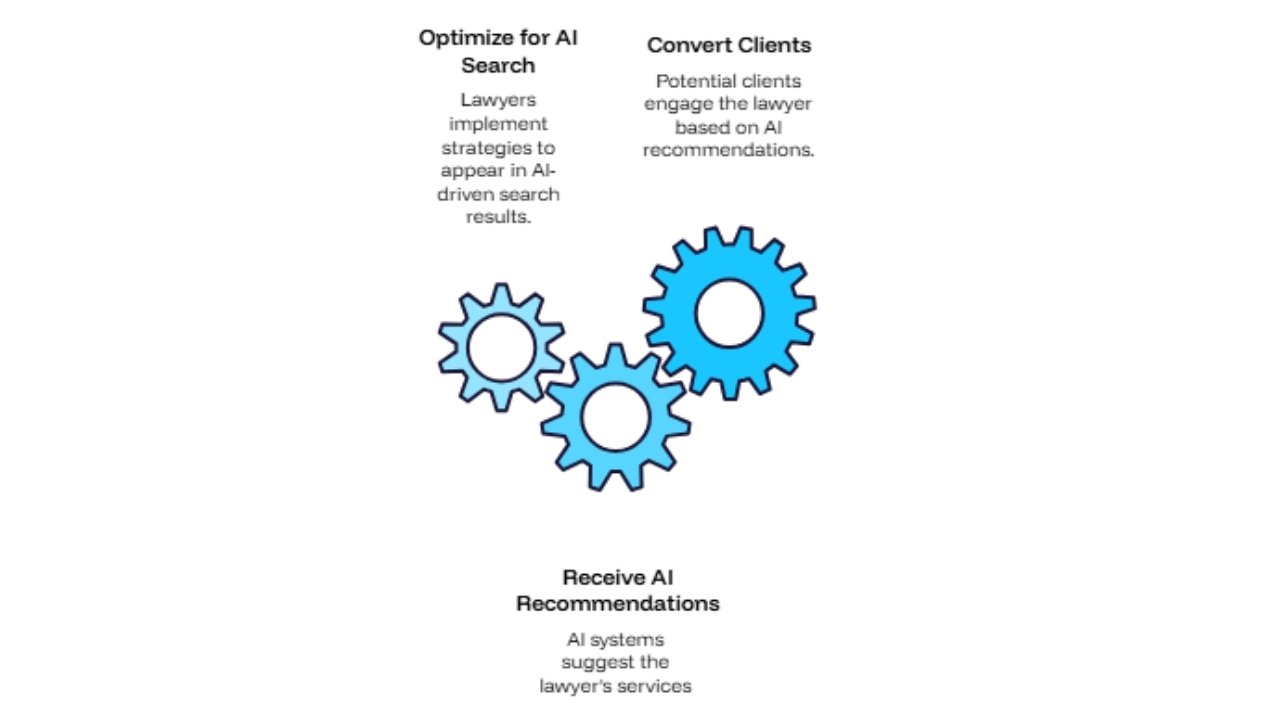
For Australian businesses, this means that understanding how to optimize for AI search engines is now a core part of digital marketing strategy. Brands that appear in AI-generated recommendations receive what industry researchers call “zero-click authority” — they get named, trusted, and recommended without the user ever visiting a traditional search results page.
The stakes are particularly high in competitive sectors such as finance, healthcare, legal services, e-commerce, real estate, and professional services all prominent industries across Australia.
How to Optimize for AI Search Engines: The Core Principles
Optimizing for AI search is different from traditional SEO in several fundamental ways. AI models are not crawling pages looking for keyword density. They are trained on large bodies of text and retrieve information based on relevance, authority, clarity, and factual accuracy. Here are the core principles that guide AI search visibility.
1. Build Topical Authority, Not Just Keyword Coverage
AI language models reward depth. Rather than producing dozens of shallow pages targeting different keywords, Australian businesses should invest in comprehensive, authoritative content that thoroughly covers a topic. If you are a Sydney-based accounting firm, you should own the entire conversation around small business tax in Australia, not just one page about it.
Topical authority means creating content clusters where a central pillar page is supported by related articles, case studies, FAQs, and data. AI models learn to associate your domain with expertise in a subject when this structure is consistent and high-quality.
2. Write in Natural Language That Matches How People Ask AI Questions
When learning how to optimize for AI search engines, one of the most overlooked strategies is conversational writing. People ask AI platforms questions in full sentences. Your content should directly answer these kinds of questions in clear, straightforward language. Avoid jargon-heavy copy that reads like a press release. Write as if you are answering a client’s question in a meeting.
Include question-based headings, definition sections, and clear explanations of complex topics. AI models are designed to extract useful answers quickly, and content that is structured for clarity is more likely to be cited.
3. Use Structured Data and Schema Markup
Schema markup helps AI systems understand the context and type of information on your page. For Australian businesses, this means implementing relevant schema types such as LocalBusiness, FAQPage, Article, Review, Product, and HowTo. These structured signals make it significantly easier for AI crawlers to extract accurate information and include it in generated responses.
According to Google’s developer documentation, properly implemented structured data can improve how your pages are understood and featured across Google Search and AI-powered features.
Technical Foundations: How to Optimize for AI Search Engines at the Site Level
Beyond content strategy, several technical elements influence whether AI systems can accurately index and understand your website.
- Page speed and Core Web Vitals: AI systems favour pages that load quickly and provide a good user experience. Australian businesses should benchmark against Google’s Core Web Vitals and aim for scores that exceed the industry average.
- Mobile-first design: The majority of Australian internet users access the web via mobile. Ensuring your site is fully responsive is a baseline requirement for AI visibility.
- Clear site architecture: A logical URL structure and internal linking pattern help AI crawlers understand the hierarchy and relationships between your pages.
- Author authority and E-E-A-T signals: Google’s quality rater guidelines emphasize Experience, Expertise, Authoritativeness, and Trustworthiness (E-E-A-T). Adding author bios, credentials, external citations, and references to real-world experience strengthens these signals.
- Accessible, crawlable content: Make sure your robots.txt file does not block important pages, and keep your sitemap submitted and updated in Google Search Console.
Brand Mentions and Off-Page Authority Signals
AI models do not rely solely on your own website to form an opinion about your brand.
They learn from data across the entire web, so unlinked brand mentions, third-party reviews, media coverage, and industry citations all influence how AI systems perceive and recommend your business.
This is a critical insight for Australian businesses wanting to know how to optimize for AI search engines: you need to actively build your digital footprint beyond your own domain.
- Earn coverage in reputable Australian publications such as The Australian Financial Review, SmartCompany, and industry-specific trade media.
- Encourage satisfied clients to leave reviews on Google Business Profile, Clutch, Trustpilot, and other platforms that AI systems reference.
- Contribute expert commentary to podcasts, webinars, and online communities in your industry.
How to Optimize for AI Search Engines with Generative Engine Optimization (GEO)
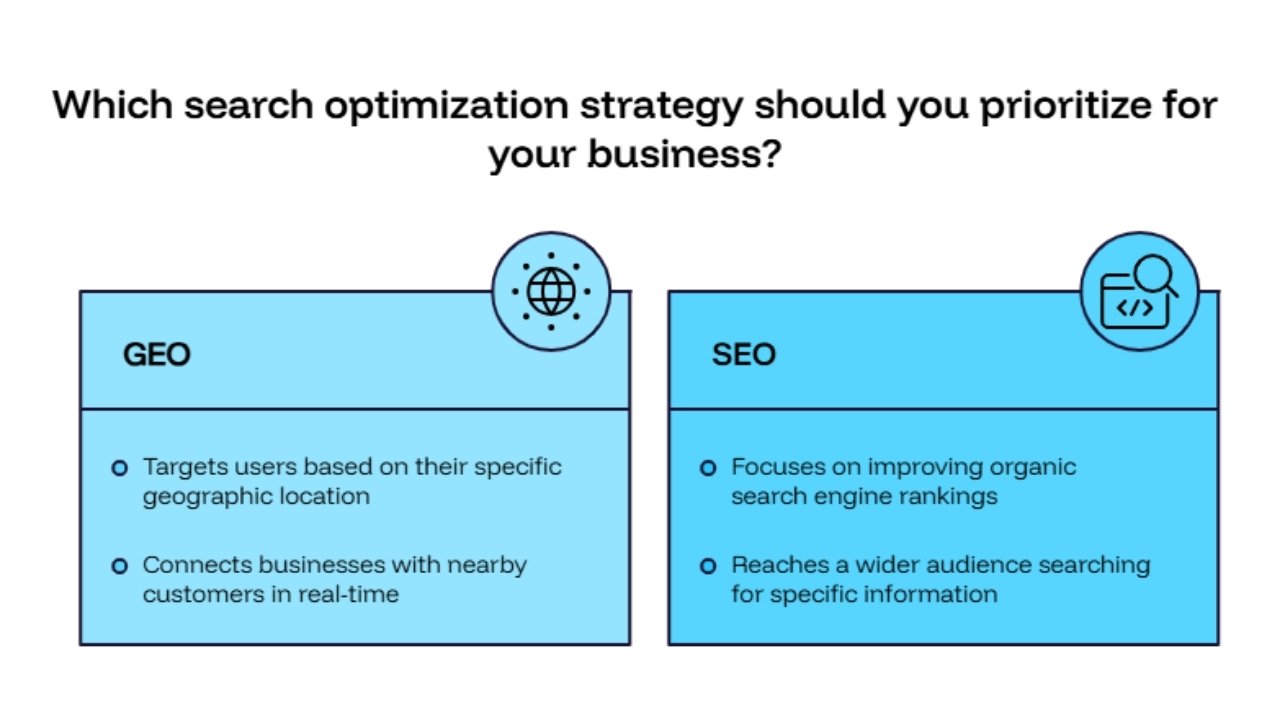
A new discipline known as Generative Engine Optimization (GEO) has emerged specifically to address the challenge of AI visibility. GEO focuses on making content more likely to be retrieved and cited by large language models. Research published by Princeton University and Georgia Tech found that strategies such as adding statistics, citing authoritative sources, and using fluent, readable language increased content inclusion in AI-generated answers by up to 40 percent.
Key GEO tactics relevant to Australian businesses include:
- Cite real data: Reference Australian Bureau of Statistics data, industry reports, and research from reputable universities to increase factual credibility.
- Include quotable statements: AI systems often extract short, clear, declarative sentences. Summarise complex ideas in one or two concise sentences that could stand alone as an answer.
- Answer questions directly: Begin your answer to a question in the first sentence of the response, not three paragraphs in.
- Update content regularly: AI models and search systems favour content that reflects current information. Review and update key pages at least quarterly.
How Get AI Ranks Can Help Australian Businesses Achieve AI Visibility
Get AI Ranks is an Australian-focused platform built specifically to help businesses improve their presence in AI search environments. Whether you need a thorough AI visibility analysis to understand where your brand currently stands, or a detailed AI ranking audit to identify gaps in your AI search strategy, Get AI Ranks provides the tools and expertise to help you compete in the AI-driven search landscape.
Their AI recommendation optimization services are designed for the Australian market, taking into account local search behaviour, industry nuances, and the specific platforms used by Australian consumers and B2B buyers.
Monitoring Your AI Search Performance
A user who finds your business via a ChatGPT recommendation may arrive at your site through a direct visit or a branded search, making attribution difficult with legacy tools.
Businesses should monitor the following indicators as proxies for AI search performance:
- Increases in direct and branded organic traffic, which may signal AI-driven awareness.
- Growth in unlinked brand mentions tracked via tools such as Mention or Brand24.
- Tracking referral traffic from platforms that integrate AI responses.
How to Optimize for AI Search Engines: An Action Plan for Australian Businesses
To summarise the key steps, here is a practical action plan you can begin implementing this quarter:
- Conduct an audit: Review your existing content for topical depth, E-E-A-T signals, and structured data implementation.
- Create content clusters: Identify the three to five topics most central to your business and build authoritative content clusters around each.
- Implement schema markup: Add FAQPage, HowTo, LocalBusiness, and Article schema to relevant pages.
- Strengthen off-page signals: Develop a PR and review strategy to increase authoritative mentions of your brand.
- Apply GEO techniques: Rewrite key pages to include direct answers, statistics, citations, and quotable summaries.
- Monitor and iterate: Set up a monthly process to manually test your AI visibility and track branded traffic trends.
Frequently Asked Questions
What is the difference between traditional SEO and AI search optimization?
Traditional SEO focuses on ranking in a list of search results by targeting keywords, building backlinks, and optimizing technical elements. AI search optimization aims to have your brand cited, mentioned, or recommended directly within AI-generated answers. The goal is to be the source an AI platform trusts and references, not simply to appear on a results page.
Which AI platforms should Australian businesses focus on?
The most important AI platforms for Australian businesses currently include Google’s AI Overviews, ChatGPT with Browse capability, Microsoft Copilot, and Perplexity AI.
Does my business need to be large to benefit from AI search optimization?
Businesses that implement comprehensive changes to their content, structure, and off-page signals typically begin to notice measurable improvements in branded traffic and AI citations within three to six months. Consistent effort over twelve months or more tends to yield the most significant results.
Does my business need to be large to benefit from AI search optimization?
No. Small and medium-sized businesses in Australia often have a significant opportunity here. Many large brands have been slow to adapt their content for AI consumption. A well-executed, targeted strategy from a smaller business in a specific niche can outperform a larger competitor that has not yet prioritized AI visibility.
What role does Google Business Profile play in AI search visibility?
Google Business Profile remains important for local AI search visibility. When users ask AI tools about local businesses or service providers, platforms like Google Gemini and ChatGPT often draw on publicly available business data, including Google Business Profile information, reviews, and photos. Keeping your profile complete, accurate, and regularly updated is an important signal for local AI search.
The Time to Act Is Now
Knowing how to optimize for AI search engines is one of the most important competitive advantages Australian businesses can develop in 2025. The shift to AI-driven discovery is accelerating, and the businesses that invest in AI visibility now will enjoy compounding returns as these platforms grow in adoption.
The core principles are clear: build genuine topical authority, write in natural language that answers real questions, implement structured data, strengthen your off-page digital footprint, and apply Generative Engine Optimization techniques proven to increase AI citation rates. How to optimize for AI search engines is not a one-time task but an ongoing strategy that requires consistent attention and iteration.
If you are ready to take the next step, visit Get AI Ranks to explore how their platform can help you assess your current AI visibility, identify opportunities, and implement a strategy that positions your Australian business at the forefront of AI-driven search.