In 2026, the way customers find businesses has changed dramatically. Search is no longer just about Google. Platforms like ChatGPT, Google Gemini, Microsoft Copilot, and Perplexity AI are now answering millions of questions every day, and they are directly recommending businesses, products, and services without sending users to a traditional search results page. This raises one of the most important questions for Australian companies today: what is AI ranking for businesses, and how does it affect your ability to be found, trusted, and recommended online? This complete 2026 guide covers everything Australian business owners and marketers need to know.
What Is AI Ranking for Businesses? The Core Definition
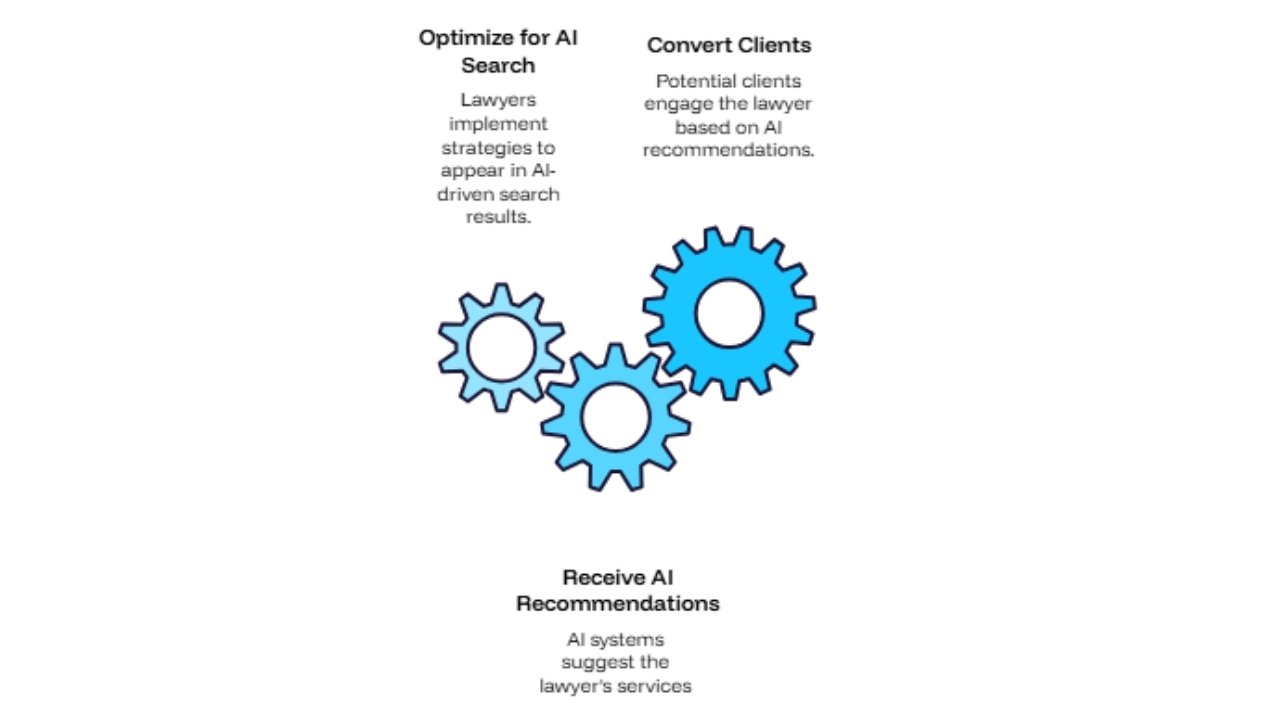
What is AI ranking for businesses? In simple terms, it refers to how prominently and favourably an AI-powered search tool or conversational assistant presents your business when a user asks a relevant question.
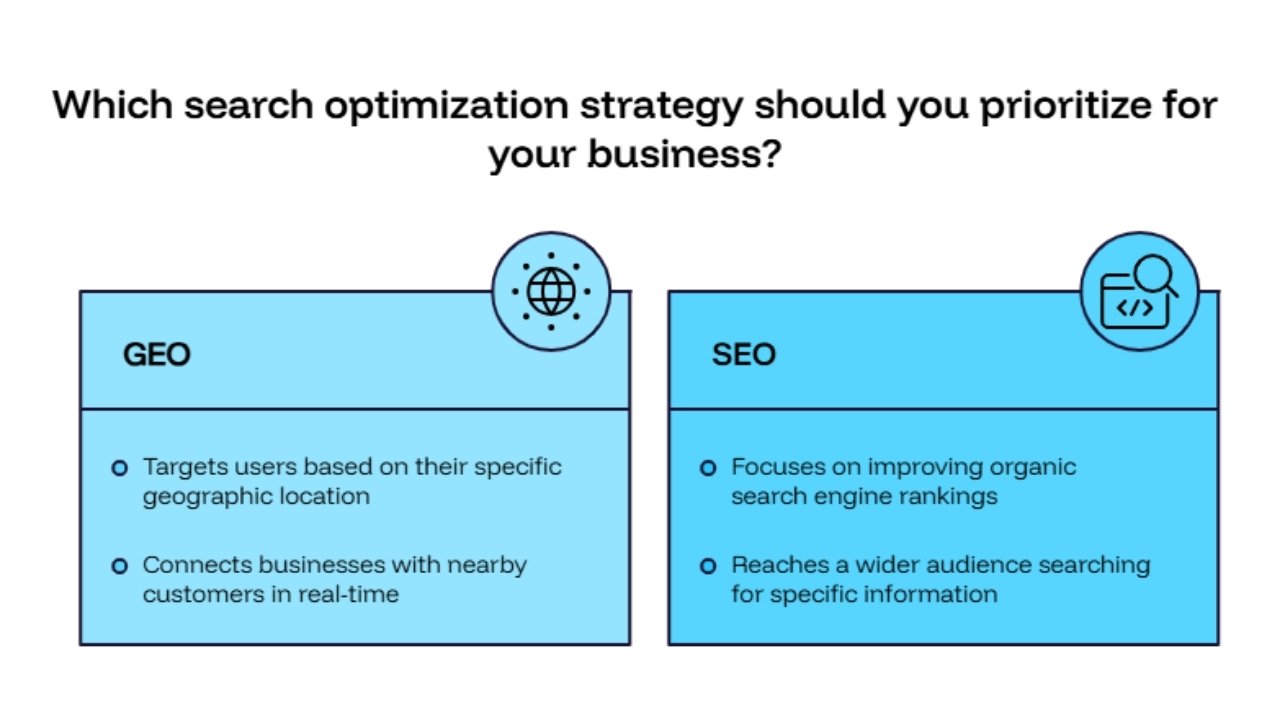
Traditional SEO focuses on ranking your website on page one of Google. AI ranking focuses on whether an AI model mentions your business at all, how it describes you, and whether it recommends you over a competitor. It is not about a numbered list of blue links. It is about becoming the answer.
When someone asks ChatGPT, “What is the best accounting firm in Melbourne?” or “Which digital marketing agency in Sydney should I use?” the AI does not crawl Google in real time. It draws on its training data, web browsing tools, and indexed content to produce a confident, natural-language recommendation. If your business is not structured to appear in those answers, you are invisible to an entirely new audience.
Why AI Ranking for Businesses Matters Specifically in Australia
Australian consumers are rapidly adopting AI-driven tools for purchasing decisions, local service discovery, and B2B research. According to a 2025 report by KPMG Australia on consumer trust and digital behaviour, over 61 per cent of Australian internet users have used a generative AI tool in the past twelve months, a figure that continues to rise.
For Australian businesses, understanding what AI ranking for businesses is no longer optional. Here is why it matters:
- AI tools are used at the top of the purchase funnel, where brand impressions are formed.
- Zero-click AI answers mean users never visit a website, making traditional traffic metrics misleading.
- Local and national competitors who optimise for AI visibility now are capturing share that will be difficult to reclaim later.
- B2B buyers in Australia increasingly use AI to shortlist vendors, agencies, and suppliers before making first contact.
- Google’s own AI Overviews feature already appears above organic results for millions of Australian searches.
How AI Platforms Decide What Businesses to Recommend
To truly understand what AI ranking is for businesses, you need to understand the signals that large language models use to evaluate and recommend organisations. These models are trained on vast corpora of online text, including websites, news articles, directories, reviews, forums, and social media. They build associations between business names, their services, their reputation, and the language customers use to describe them.
Key AI ranking signals include:
- Entity Recognition: AI models identify businesses as distinct entities. The more your business is mentioned consistently across authoritative websites, the more clearly the AI understands who you are.
- Topical Authority: If your website and online content consistently cover a specific subject in depth, AI platforms associate your brand with expertise in that area.
- Sentiment and Reputation: AI models weigh how your business is discussed online. Positive reviews, case studies, and press mentions all contribute to a favourable AI profile.
- Structured Data: Schema markup, Google Business Profile completeness, and structured content help AI systems extract accurate facts about your business.
- Citation Frequency: How often other trusted sites mention and link to your business directly influences AI confidence in recommending you.
- Recency of Information: AI tools with browsing capabilities favour businesses with fresh, regularly updated content that signals active operation.
The Difference Between Traditional SEO and AI Ranking for Businesses
Many Australian marketers assume that if they already rank well on Google, they will automatically perform well in AI search. This is a dangerous misconception. Traditional SEO and AI ranking are related but fundamentally different disciplines.
Traditional SEO optimises web pages for keyword-based crawling and indexing. The goal is a high position in a list of results. Success is measured in rankings, impressions, and click-through rates.
AI ranking for businesses optimises your brand’s presence in the training data, index, and reputation signals that AI tools draw upon when generating answers. The goal is to be named, described accurately, and recommended confidently. Success is measured in AI citations, brand mentions, and recommendation frequency.
A business can rank on page one of Google for its target keywords and still be completely absent from AI-generated answers. The reverse is also possible. This is why a dedicated AI ranking audit is now an essential component of any digital marketing strategy.
Data-Driven Insights: AI Search Growth in 2025-2026
The growth of AI-driven search is not a future prediction. It is a current reality reshaping how Australian businesses acquire customers. Consider the following data points:
- According to Statista, ChatGPT reached over 400 million weekly active users globally by early 2025, with Australian usage growing consistently quarter-on-quarter.
- Google’s AI Overviews now appear in an estimated 25 to 30 per cent of all Australian Google searches, according to SEO research firm BrightEdge.
- A 2025 HubSpot study found that 48 per cent of marketers are already investing in AI search optimisation as a distinct discipline separate from traditional SEO.
- Perplexity AI reported over 15 million daily active users by mid-2025, with strong growth in the Asia-Pacific region.
- Research by Ahrefs indicates that AI Overviews tend to favour longer-form, authoritative content that directly answers user questions, reinforcing the need for structured, high-quality content strategies.
These figures confirm that what AI ranking for businesses has moved from a niche topic to a mainstream business priority.
How Australian Businesses Can Improve Their AI Ranking
Once you understand what AI ranking is for businesses, the next step is taking concrete action. Below are the most effective strategies for Australian companies in 2026.
1. Build and Strengthen Your Brand Entity Online
Ensure your business name, location, services, and founding information are consistent across all platforms. This includes your website, Google Business Profile, LinkedIn, industry directories, and news mentions. AI systems build their understanding of your business from these consistent data points. Inconsistencies create confusion and reduce the likelihood of an accurate recommendation.
2. Create Answer-First Content
AI tools respond directly to the questions users ask.Your content strategy must therefore prioritise question-based formats. Write blog posts, landing pages, and FAQs that directly answer the questions your customers are asking. Use clear, declarative language. Avoid jargon. Use headers that include the questions you are answering to structure your content effectively. This approach aligns your content with how AI platforms retrieve and present information.
3. Earn Authoritative Third-Party Mentions
Trusted external sources mentioning and citing your business provide one of the strongest signals for AI ranking. Pursue digital PR, industry partnerships, guest articles on reputable Australian publications, and inclusion in “best of” lists within your sector. Each credible mention increases the probability that an AI tool will include your business in its responses.
4. Implement Comprehensive Schema Markup
Schema markup uses structured data code to help search engines and AI systems understand your website content at a machine-readable level. For Australian businesses, this means implementing Organisation, LocalBusiness, FAQPage, Product, and Review schema types where applicable. You can learn more about schema implementation from Schema.org’s official documentation, which provides guidelines used across all major AI and search platforms.
5. Monitor and Analyse Your AI Visibility
You cannot improve what you do not measure. Conduct regular tests by querying AI platforms with the kinds of questions your target customers would ask, and observe whether and how your business appears. For a structured approach, consider using a professional AI visibility analysis service that systematically tracks how AI tools perceive and represent your brand across multiple platforms and query types.
Industries Most Affected by AI Ranking in Australia
While every business category is affected to some degree, certain sectors in Australia are experiencing the most immediate impact from AI-driven search behaviour:
- Professional Services: Law firms, accounting practices, financial advisers, and consulting firms are frequently the subject of AI-directed queries. Clients use AI to find and vet service providers before making contact.
- Healthcare and Allied Health: Australians use AI to find GPs, specialists, physiotherapists, and mental health professionals. Accurate, detailed online profiles are critical for AI recommendations.
- Retail and E-Commerce: AI tools increasingly answer questions like “Where can I buy X in Australia?” or “Which online store has the best Y?”, placing retail businesses in direct competition for AI visibility.
- Hospitality and Tourism: Restaurants, hotels, tour operators, and travel agencies are heavily queried through conversational AI, particularly for recommendations and comparisons.
- Technology and SaaS: Australian tech companies competing for B2B clients are finding that procurement teams and IT decision-makers use AI to research and compare solutions before entering a sales process.
- Education and Training: Registered Training Organisations, universities, and online course providers face growing AI-influenced student acquisition channels.
Common Mistakes Australian Businesses Make With AI Ranking
Understanding what AI ranking is for businesses also means knowing what not to do. The following mistakes are commonly observed among Australian businesses attempting to navigate this new landscape:
- Assuming that existing SEO efforts are sufficient to achieve strong AI visibility without any additional work.
- Neglecting online reputation management, leaving negative or outdated information as the dominant source of data for AI models.
- Publishing thin, low-quality content that fails to demonstrate topical authority or answer genuine user questions.
- Ignoring the importance of consistent business information across directories and third-party platforms.
- Failing to update website content regularly, causing AI tools with browsing capability to deprioritise the business as less current.
- Not conducting periodic AI visibility testing results in a lack of awareness about how the brand is being described or recommended.
Tools and Resources for AI Ranking Optimisation
Several resources exist to help Australian businesses take practical steps toward improving their AI ranking position. For a comprehensive understanding of how AI search technology works, the Google AI Research portal provides detailed technical publications on how large language models process and retrieve information. For practical marketing strategy, research from the Content Marketing Institute regularly covers the intersection of content strategy and AI-driven search behaviour.
For businesses seeking dedicated support in the Australian market, Get AI Ranks offers a purpose-built platform for AI recommendation optimisation, helping companies understand exactly how they appear in AI tools and what changes are needed to improve their visibility and authority.
Key Takeaways
Understanding what AI ranking is for businesses is the first and most important step for any Australian company that wants to remain competitive in the years ahead. AI-powered search is not a trend that may or may not gain momentum. It is already transforming how customers discover and evaluate businesses every single day, across every industry.
The businesses that invest in AI ranking optimisation now will build advantages that are difficult for slower-moving competitors to overcome. From entity building and content strategy to schema markup and reputation management, every action you take to improve your AI visibility compounds over time.
The question is no longer whether what is AI ranking for businesses matters to your organisation. The question is whether you are taking the steps needed to ensure your business is the one being recommended. To begin, run a professional AI ranking audit and discover exactly where you stand today.
Ready to Find Out How You Rank in AI Search? Run your complimentary AI visibility assessment at getairanks.com and get a clear picture of how AI tools are representing your Australian business right now.
Frequently Asked Questions
What is AI ranking for businesses, and how is it different from SEO?
What is AI ranking for businesses? It is the measure of how prominently and accurately an AI tool surfaces and recommends your business in response to relevant user queries. Unlike traditional SEO, which focuses on ranking in a list of clickable links, AI ranking is about being the answer that an AI platform provides in natural language. The optimisation techniques required are distinct and involve entity building, content authority, and reputation management rather than purely technical page optimisation.
Which AI platforms should Australian businesses prioritise for visibility?
In 2026, the primary AI platforms for Australian business visibility are ChatGPT, Google Gemini, Microsoft Copilot, and Perplexity AI. Each has a distinct user base and retrieval methodology. A comprehensive AI ranking strategy accounts for all of them rather than focusing on a single platform.
How long does it take to see improvements in AI search visibility?
The timeline varies depending on the current state of your online presence and the competitiveness of your industry. Businesses with strong existing digital authority can see measurable improvements in AI mentions within six to twelve weeks of implementing a focused strategy. For businesses starting from a weaker foundation, three to six months is a realistic expectation for meaningful change.
Does my Google ranking affect my AI ranking?
There is a meaningful but not absolute correlation. A strong Google ranking often indicates high domain authority and quality content, both of which contribute positively to AI visibility. However, many businesses rank well in Google and poorly in AI tools, and vice versa. AI platforms evaluate a broader and different set of signals, which is why a separate AI ranking strategy is necessary.
Can small and medium-sized Australian businesses compete in AI ranking?
Yes. AI ranking presents a significant opportunity for smaller Australian businesses because the playing field is relatively new and has not yet been dominated by large incumbents. A focused strategy that builds clear topical authority, maintains consistent entity information, and generates genuine third-party mentions can allow a well-positioned small business to outperform much larger competitors in AI-generated responses.